




Search keywords:
product name, product type, model number,
test method, manufacturer, technique, application
-
Cone Calorimeter
The import of American VTEC, cone calorimeter ultra high cost performance
more
-
Digital Elmendorf Tearing Tester
Pendulum method test material tear strength, operating more simple, more accurate data
more
-
ZwickiLine Materials testing machines
Top of the world's leading universal material testing machine
more
Rubber non-rotor vulcanization Tester
BACK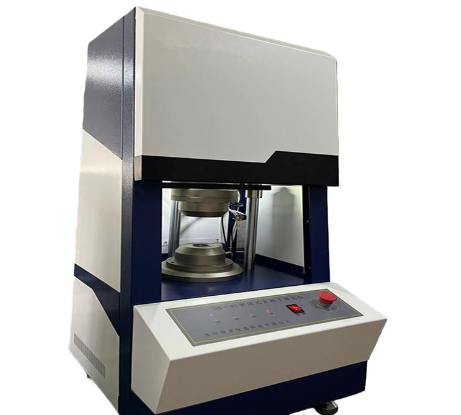


Standards:
Applications:
(1) Rubber compound quality control: Rapid assessment of rubber material properties during production.
(2) Rubber R&D: Testing new rubber formulations and additives.
(3) Vulcanization process optimization: Determining optimal curing conditions.
(4) Material comparison: Evaluating performance differences between batches or suppliers.
(5) Rubber laboratory testing: Suitable for research institutes and industrial laboratories for basic rubber studies.
Product Information:
The Rubber Non-Rotor Vulcanization Tester is a precision instrument designed for the rubber processing industry to monitor and control rubber material quality. It provides rapid inspection and supports rubber basic research and formulation optimization. The tester can accurately measure scorch time, positive vulcanization time, vulcanization index, and torque parameters (maximum and minimum), offering essential data for quality control, R&D, and formula development.
Standards
(1) ASTM D5289-95 — Standard Test Method for Rubber Property—Vulcanization Using a Moving Die Rheometer
(2) ISO 6502-1999(E) — Rubber, Vulcanized or Thermoplastic—Determination of Cure Characteristics
(3) GB/T 16584-1996 — Rubber—Determination of Cure Characteristics Using a Non-Rotating Rotor Rheometer
Accessories
(1) Main tester ×1
(2) Pneumatic control valve ×1
(3) Power cable ×1
(4) Instruction manual ×1
Technical Parameters
| Item | Specification |
|---|---|
| Temperature measurement range | 0–200℃ |
| Temperature setting range | 0–200℃ |
| Temperature display range | 0–200℃ |
| Set time range | 0–200 minutes |
| Torque measuring range | 0–5 N·m, 0–10 N·m, 0–20 N·m |
| Swing frequency | 100 times/min (≈1.7 Hz) |
| Power supply | AC 220V ±10%, 50 ±1Hz, must be grounded |
| Compressed air | 0.32 MPa, controlled by pneumatic valve |
| Ambient conditions | Temperature 0–40℃, RH <80%, no corrosive gases |
Advantages
(1) Accurate vulcanization measurement: Determines scorch time, positive cure time, vulcanization index, and torque with high precision.
(2) Supports formula optimization: Provides reliable data for rubber compound development.
(3) Standard compliant: Meets ASTM, ISO, and GB/T international and national standards.
(4) User-friendly operation: Simple control interface for temperature and time settings.
(5) Stable and durable: Designed for long-term use in laboratory and production environments.
Test Procedure
(1) Connect the power supply and compressed air source.
(2) Set the desired test temperature and curing time on the control panel.
(3) Load the rubber sample into the non-rotor rheometer cavity.
(4) Start the test; the swing mechanism will apply torque to the sample.
(5) Monitor the displayed data: scorch time, positive cure time, vulcanization index, and maximum/minimum torque.
(6) Stop the test after the set time, remove the sample, and record the results.
Maintenance Information
(1) Keep the instrument clean; remove rubber residues after each test.
(2) Periodically inspect the swing mechanism and torque sensor for wear or damage.
(3) Check temperature calibration regularly to ensure accurate measurements.
(4) Maintain pneumatic components, ensuring air lines and valves are free of leaks.
(5) Store in a dry, non-corrosive environment when not in use.
FAQ
1. What is the primary purpose of this tester?
It measures the vulcanization characteristics of rubber compounds, including cure rate, scorch time, and torque development, without rotating the sample.
2. Which types of rubber can be tested using this device?
The tester is suitable for natural rubber, synthetic rubber, and rubber compounds used in tires, seals, hoses, and other industrial products.
3. How does the tester operate?
It heats a fixed rubber sample under controlled temperature and pressure, monitoring torque changes over time to determine vulcanization behavior and optimal curing conditions.
4. Which standards does this tester comply with?
It supports international rubber testing standards, including ASTM D5289. ISO 6502. and GB/T 16585.
5. Who typically uses this equipment?
Rubber manufacturers, quality control laboratories, and R&D teams use it to optimize curing formulations, ensure consistent material properties, and control production quality.
