




Search keywords:
product name, product type, model number,
test method, manufacturer, technique, application
-
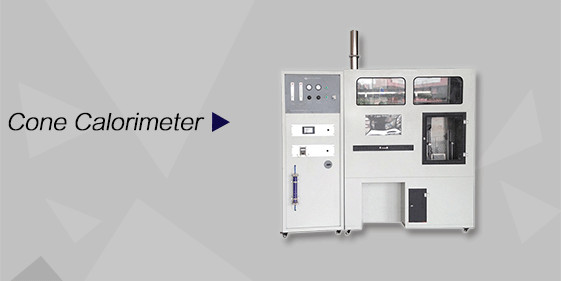
Cone Calorimeter
The import of American VTEC, cone calorimeter ultra high cost performance
more
-
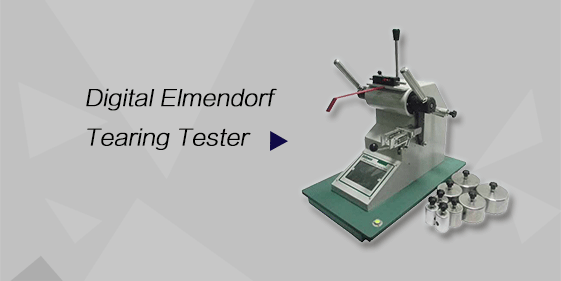
Digital Elmendorf Tearing Tester
Pendulum method test material tear strength, operating more simple, more accurate data
more
-
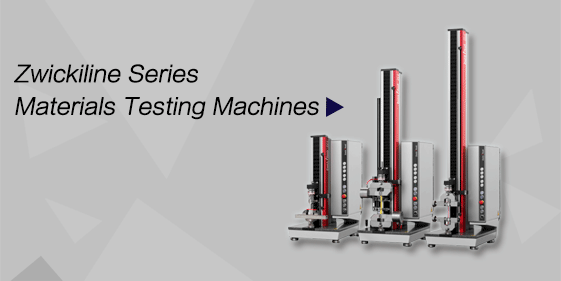
ZwickiLine Materials testing machines
Top of the world's leading universal material testing machine
more
Cleveland Open Cup Flash Point Tester
BACK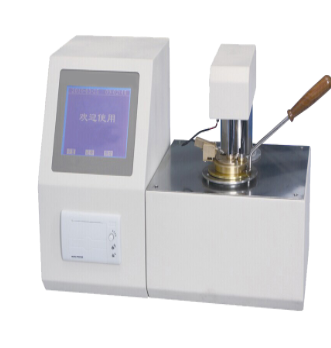


Standards:
Applications:
Covering Multiple Industries, Driving Safety and Efficiency Upgrades
Petrochemical Industry
Refining and Quality Inspection: Monitoring flash point changes in processes such as crude oil distillation and lubricant blending to ensure product quality. For example, a refinery reduced the lubricant rejection rate from 2% to 0.5% by real-time flash point detection.
Asphalt Production: Testing asphalt flash point to meet JTJ052 standards and prevent spontaneous combustion risks during transportation.
Power and Energy Sector
Transformer Oil Testing: Determining the flash point of transformer oil according to DL/T 596 standard to assess its insulation performance and aging degree. For example, a power plant found that the flash point of a transformer oil had dropped to 130℃ through testing, and timely replacement prevented equipment failure.
New Energy Research and Development: Studying the flash point characteristics of new fuels such as biodiesel and hydrogen carriers to promote the application of clean energy.
Transportation Industry
Railways and Aviation: Detecting the flash point of locomotive oil and aviation lubricants to ensure operational safety. For example, an airline found that the flash point of a batch of aviation fuel was too low through testing, and suspended the use of that batch of fuel to avoid flight accidents.
Product Information:
The instrument can automatically test the flash point and ignition point of petroleum products (the ignition point of oil exceeding 80 ° C, except crude oil and petroleum fuel), and can be compared with the test results of manual instruments, very simple and convenient.
Meets the ISO 2592 standard. Its programmable logic controller and touch screen (5.5 ") help automate testing, and managing test results is easy.
Standards
(1)ASTM D92: Standard Test Method for Flash and Fire Points by Cleveland Open Cup
(2)IP 36. 403: Determination of Flash and Fire Points by Cleveland Open Cup Method (IP 36/403)
(3)ISO 2592: Determination of flash and fire points - Cleveland open cup method
(4)AFNOR T60-118: Petroleum products - Determination of flash and fire points - Cleveland open cup method (AFNOR T60-118)
(5)EN 22592: Petroleum products - Determination of flash and fire points - Cleveland open cup method (EN 22592)
(6)DIN 51376: Testing of mineral oils; determination of flash and fire point by Cleveland open cup
Product Features
Automatic Test Procedure: Conducts the heating, test flame application, flash detection, and ignition point determination automatically.
Programmable Logic Controller (PLC): Enables precise control over the test parameters and sequences.
Touch Screen Interface (5.5"): Provides a user-friendly interface for setting up tests, monitoring progress, and viewing results.
Data Processing and Management: Capable of processing test data and facilitating easy management of results.
Micro Printer: For direct printing of test results for record-keeping.
Integrated Heating System: Precisely controls the sample temperature rise rate.
Automatic Ignition System: Applies the test flame at specified intervals.
Flash/Ignition Detection System: Reliably detects the flash and sustained ignition.
Accessoriess
(1)Thermal fuse
(2)Gas hose
(3)Heating plate
(4)AC power cord
(5)Instruction manuals, etc.
Parameters
| Description | Details |
|---|---|
| Dimensions | 550(W) x 400(D) x 320(H)mm |
| Table size | 1000(W) x 600(D) x 800(H)mm (assuming the "1.000" is a typo and should be "1000") |
| Power supply | AC 220V 50/60Hz, 15A |
| Weight | 30kg |
| Instruction manual | Available |
| Exhaust | Minimum 50L/s |
| Tools | Propane gas, vacuum cleaner |
Test Procedures
Sample Preparation: Heat the sample until it becomes fluid, then pour it into the cup up to the marked line, avoiding contamination of the cup walls.
Heating Control: In the initial stage, heat rapidly at 14-17℃/min, then slow down when the temperature reaches 56℃ below the expected flash point.
Critical Stage: When the temperature is 28℃ below the expected flash point, control the heating rate to 5.5℃/min ± 0.5℃.
Ignition Determination: Sweep a flame across the cup opening every 2℃ increase in temperature. Record the temperature when a transient blue flame appears and immediately extinguishes.
Test Completion: Clean the equipment and switch off the power supply.
FAQ
1. What is the primary purpose of this tester?
It determines the flash point of flammable liquids, oils, and chemicals using the Cleveland open cup method to assess fire and safety hazards.
2. Which materials can be tested using this device?
The tester is suitable for petroleum products, lubricants, solvents, chemical solutions, and other flammable liquids.
3. How does the tester operate?
It gradually heats a liquid sample in an open cup while periodically applying a test flame. The flash point is recorded when the vapors ignite momentarily.
4. Which standards does this tester comply with?
It supports international flash point testing standards, including ASTM D92. ISO 2592. and IP 36.
5. Who typically uses this equipment?
Petroleum refineries, chemical manufacturers, quality control laboratories, and research institutions use it to evaluate safety, classify flammable liquids, and ensure regulatory compliance.
