




Search keywords:
product name, product type, model number,
test method, manufacturer, technique, application
-
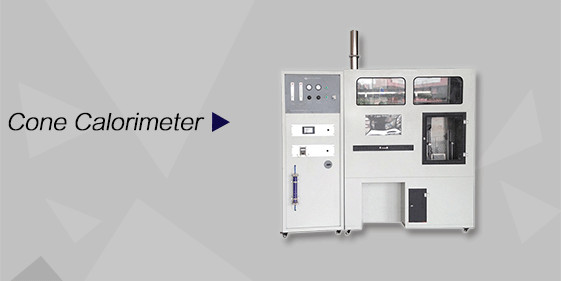
Cone Calorimeter
The import of American VTEC, cone calorimeter ultra high cost performance
more
-
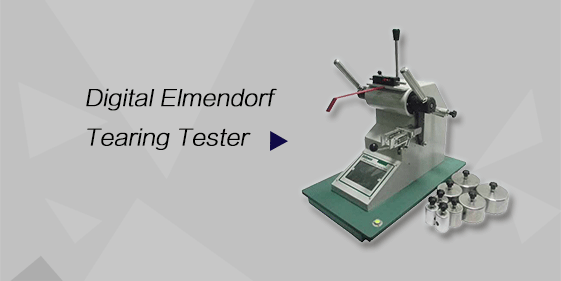
Digital Elmendorf Tearing Tester
Pendulum method test material tear strength, operating more simple, more accurate data
more
-
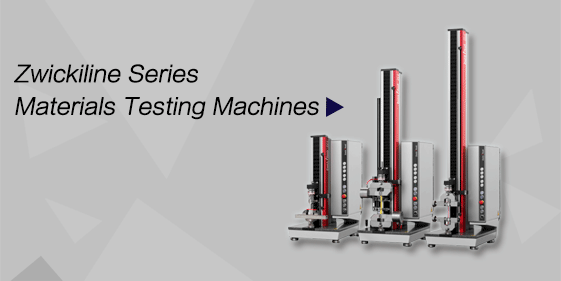
ZwickiLine Materials testing machines
Top of the world's leading universal material testing machine
more
Keyboard Key Life Testing Machine
BACK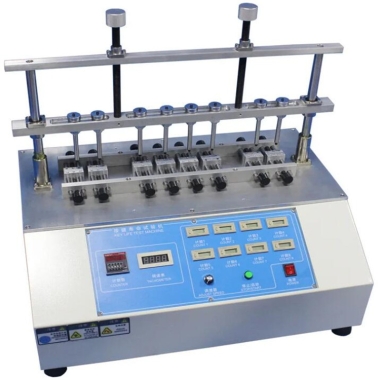


Standards:
Applications:
(1) Life cycle testing of mobile phone keys, MP3/MP4 buttons, computer keyboards, and electronic dictionary keys.
(2) Durability testing for remote control buttons and silicone rubber keys.
(3) Verification of mechanical switches, tap switches, and film switches.
(4) Multi-point testing on each key to simulate real-world usage.
(5) Research and development for new key materials and designs.
(6) Quality control in electronic and consumer device manufacturing.
(7) Testing under varying key pressures and stroke heights to replicate user behavior.
(8) Comparative testing for different key types and configurations.
Product Information:
The Keyboard Key Life Testing Machine is designed to evaluate the durability and lifespan of keys and buttons across electronic devices. It is suitable for testing keys on mobile phones, MP3 players, computers, electronic dictionaries, remote controls, silicone rubber keys, and other silicone products. The machine supports multiple key types including mechanical switches, film switches, and tap switches. Adjustable speed, configurable number of actuations, and multi-station testing ensure precise and flexible testing for various key designs and customer requirements.
Standards
(1) GB/T 4967-95 – Silicone rubber and keypad life testing.
(2) Equivalent JIS and IEC standards for key life and durability testing.
Accessories
(1) Custom test fixtures for different key sizes and shapes.
(2) Adjustable load weights.
(3) Digital counters for each test station.
(4) Multi-point testing heads for precise key contact.
Parameters
| Parameter | Specification |
|---|---|
| Number of test stations | 4. 5. or 8 |
| Test load | 0–500g (adjustable or specified) |
| Test stroke | 0–60mm |
| Test speed | 5–60 times/min |
| Power supply | AC 220V 3A (or specified) |
| Control | Individual control for each test head |
| Drive mechanism | Motor-driven eccentric |
| Applicable key types | Mechanical switches, tap switches, film switches, silicone rubber keys |
Features
(1) Motor-driven eccentric mechanism provides precise vertical motion to actuate keys.
(2) Adjustable test speed from 5 to 60 times/min.
(3) Multi-station testing: 4. 5. or 8 stations can operate simultaneously.
(4) Individual control of each test head for custom pressure and stroke height.
(5) Configurable test load from 0 to 500g (or specified by customer).
(6) User-friendly operation and flexible fixture design for various key types.
(7) Digital counter records the number of key actuations for accurate life assessment.
(8) Allows simultaneous testing of multiple products at different points.
Test Procedure
(1) Secure the key or keypad sample on the test station fixture.
(2) Set the desired test speed, stroke height, and load for each test head.
(3) Select the number of actuations for the test.
(4) Start the motor-driven test; each key is actuated according to the settings.
(5) Monitor digital counters to track the number of presses.
(6) Upon reaching the set number of actuations, stop the machine and evaluate the keys for wear, functional failure, or other defects.
(7) Record the data for quality control or product development purposes.
Maintenance Information
(1) Keep test heads and fixtures clean to prevent damage or contamination.
(2) Inspect and maintain motor and eccentric mechanism periodically.
(3) Verify calibration of test load and digital counters.
(4) Ensure power supply stability and check wiring connections regularly.
(5) Store the machine in a dry and dust-free environment.
FAQ
1. What is the primary purpose of this machine?
It evaluates the durability and operational lifespan of keyboard keys by simulating repeated key presses under controlled conditions.
2. Which keyboards can be tested?
The machine is suitable for mechanical keyboards, membrane keyboards, laptop keyboards, and other types of key-operated devices.
3. How does the machine simulate real-world usage?
It repeatedly actuates individual keys or key groups according to programmed cycles, replicating typical user typing behavior over time.
4. Which standards does this machine comply with?
It supports international standards for keyboard durability testing, including IEC, ISO, and relevant industry-specific testing protocols.
5. Who typically uses this equipment?
Keyboard manufacturers, quality control laboratories, and electronics R&D teams use it to ensure product reliability and optimize key design for long-term use.
