




Search keywords:
product name, product type, model number,
test method, manufacturer, technique, application
-
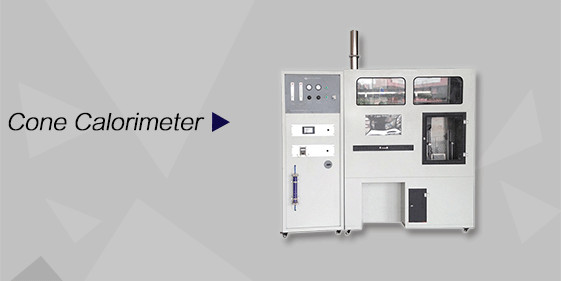
Cone Calorimeter
The import of American VTEC, cone calorimeter ultra high cost performance
more
-
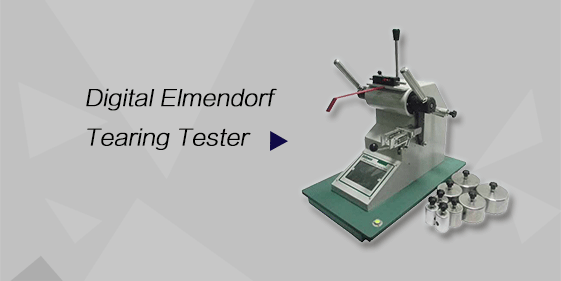
Digital Elmendorf Tearing Tester
Pendulum method test material tear strength, operating more simple, more accurate data
more
-
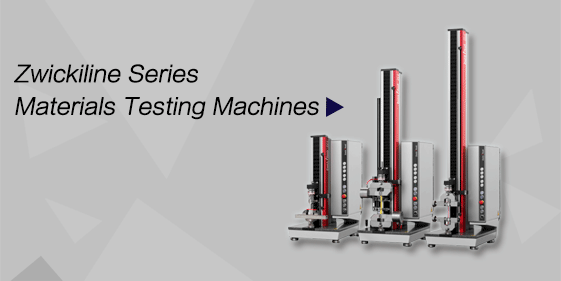
ZwickiLine Materials testing machines
Top of the world's leading universal material testing machine
more
Intervertebral Fusion Cages Torsion Fatigue Tester
BACK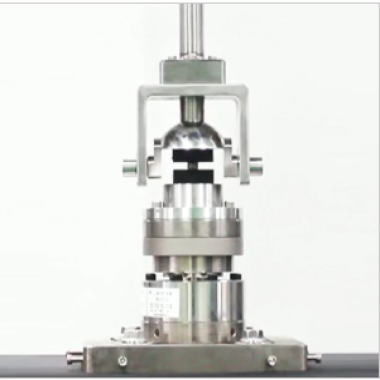


Standards:
Applications:
The Intervertebral Fusion Cages Torsion Fatigue Tester is used to assess the mechanical durability and torsional fatigue resistance of spinal fusion cages under repeated twisting loads. It helps manufacturers and researchers evaluate implant performance, predict long-term reliability, and ensure compliance with biomechanical testing standards before clinical implementation.
Product Information:
The Intervertebral Fusion Cages Torsion Fatigue Tester is a specialized biomechanical testing device used to evaluate the torsional fatigue performance of spinal fusion cages. It simulates the twisting forces that implants experience in the human spine during daily movement, assessing their durability, structural integrity, and long-term reliability.
Standard
(1)YY/T 0959-2014 (China): Specifies torsional fatigue testing protocols for intervertebral fusion devices, including load ratios, frequency, and failure criteria.
(2)ASTM F2077-17 (International): Defines methodologies for evaluating the fatigue strength of intervertebral body fusion devices under torsional loading.
(3)ISO 12189-1: Additional compliance for mechanical testing of spinal implant components.
Product Features
Electromagnetic Servo Motor: 50 Nm peak torque capacity with programmable load ratios (R=-1 to R=0.1).
Torsional Actuator: ±180° rotation range with 0.001° angular resolution.
Dynamic Load Control: 0.1–5 Hz frequency range with programmable waveforms (sine, square, random, custom).
Thermal-Mechanical Chamber: ±0.3°C temperature stability with integrated humidity control (10–95% RH).
High-Speed Imaging Ready: Syncs with external cameras for full-field strain mapping (DIC optional upgrade).
Safety First: Triple-redundant emergency stop, overload clutches, and laser-based specimen breakage detection.
Technical Parameters
| Parameter | Specification |
|---|---|
| Max. Torsional Moment | ±50 Nm (10 Nm resolution) |
| Angular Range | ±180° (0.001° resolution) |
| Frequency Range | 0.1–5 Hz (0.01 Hz increments) |
| Load Ratio (R) | -1 to 0.1 (adjustable) |
| Temperature Control | -20°C to +50°C (PT1000 sensors) |
| Humidity Control | 10–95% RH (non-condensing) |
| Data Sampling Rate | 100 kHz (synchronized across 16 channels) |
| Power Requirements | 220V/110V ±10%, 50/60Hz, 2.000W |
| Dimensions (W×D×H) | 1.500 × 1.000 × 2.000 mm |
| Weight | 750 kg (including environmental chamber) |
| Noise Level | <65 dB (A-weighted) |
Product Advantages
Bidirectional Torsion Control: Advanced electromagnetic actuator maintains R=-1 load ratio (fully reversed torsion) with ±0.1% accuracy.
5 Million Cycle Endurance: Proven capability to complete YY/T 0959’s 5×10⁶-cycle fatigue test without calibration drift.
Dynamic Angle Control: 0.001° resolution ensures precise replication of physiological spinal motion.
Real-Time Fracture Detection: AI-powered acoustic emission monitoring identifies micro-cracks at sub-millisecond intervals.
Intuitive Workflow: 21.5” capacitive touchscreen with gesture control and pre-loaded SOPs for 8+ implant geometries.
Modular Environmental Chambers: Quick-swap pods for simulated physiological (-20°C to +50°C) and corrosive environment testing.
Accessories
(1)Spinal Implant Fixture Kit:
Self-centering collet system (8–20 mm implant diameter compatibility)
Laser-aligned loading anvils with diamond-like carbon (DLC) coating
(2)Thermal-Mechanical Chamber:
15L capacity with rapid cooling/heating (15°C/min)
316L stainless steel interior with HEPA filtration
(3)TorsionMaster Pro Software:
Automated S-N curve generation and fatigue limit calculation
21 CFR Part 11-compliant audit trail with blockchain timestamping
Remote monitoring via dedicated iOS/Android app
(4)Operator Kit:
Calibrated torque wrench set (0.5–50 Nm)
Specimen alignment gauges (ASTM F2077 compliant)
(5)Calibration Bundle:
NIST-traceable torque calibration weights
Angular encoder verification tool
(6)Safety Kit:
Laser safety curtains
Acoustic enclosure with 30 dB noise reduction
FAQ
1. What is the primary function of this tester?
It evaluates the torsional fatigue performance of intervertebral fusion cages by simulating repeated twisting loads to assess durability and structural integrity.
2. Which implants can be tested with this device?
The tester is suitable for various types of intervertebral fusion cages, regardless of material, size, or design.
3. How does the tester replicate spinal conditions?
It applies cyclic torsional loads that mimic the twisting forces implants experience in the human spine during normal movements.
4. Which standards does the tester comply with?
The device supports testing in accordance with international biomechanical standards, including ASTM and ISO protocols for spinal implants.
5. Who typically uses this equipment?
Medical device manufacturers, biomechanical testing laboratories, and research institutions use it for preclinical evaluation, quality control, and design verification of spinal fusion cages.
