




Search keywords:
product name, product type, model number,
test method, manufacturer, technique, application
-
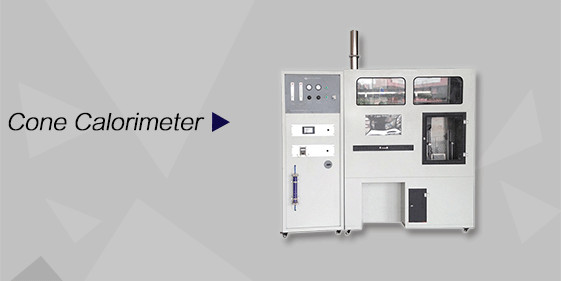
Cone Calorimeter
The import of American VTEC, cone calorimeter ultra high cost performance
more
-
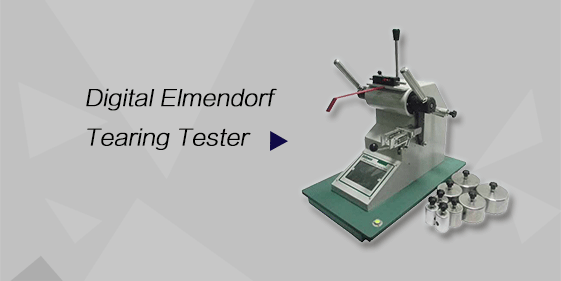
Digital Elmendorf Tearing Tester
Pendulum method test material tear strength, operating more simple, more accurate data
more
-
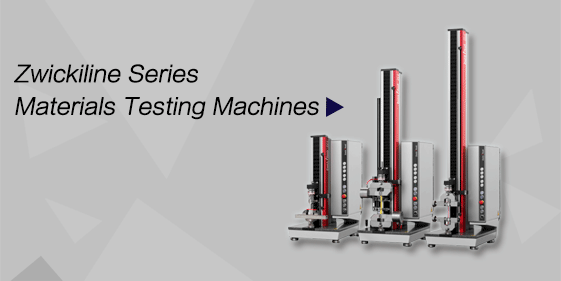
ZwickiLine Materials testing machines
Top of the world's leading universal material testing machine
more
Dental Implants Static Torsion Testing Machine
BACK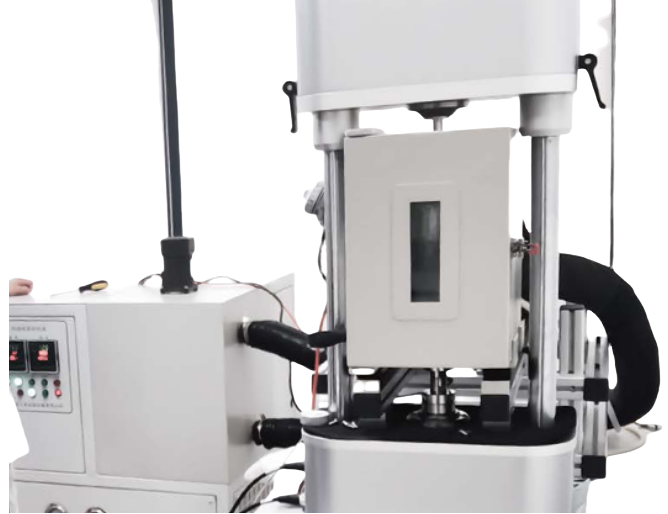


Standards:
Applications:
Product Information:
The Dental Implants Static Torsion Testing Machine is a specialized device designed to evaluate the torsional strength and rotational stability of dental implants. It measures the maximum torque the implant can withstand before twisting or failure, helping assess implant material quality, design reliability, and surgical safety. This machine is widely used in dental research, quality control, and product development to ensure implants meet mechanical performance standards.
Technical Parameters
| Parameter | Specification |
|---|---|
| Max. Torque | ±50 Nm (0.001 Nm resolution) |
| Rotation Range | 0°–360° (0.001° resolution) |
| Torque Application Rate | 0.01–0.10 Nm/s (ISO 13498 compliant) |
| Axial Force Capacity | ±5.000 N (5 N resolution) |
| Temperature Control | 20°C–50°C (PT1000 sensors) |
| Data Sampling Rate | 10 kHz (synchronized across 8 channels) |
| Power Requirements | 220V/110V ±10%, 50/60Hz, 800W |
| Dimensions (W×D×H) | 450 × 400 × 600 mm |
| Weight | 35 kg (net) / 45 kg (with chamber) |
| Noise Level | <50 dB (A-weighted) |
Standard
(1)ISO 13498: Specifies static torsion testing protocols for dental implants, including torque application rates, failure criteria, and data reporting requirements.
(2)ASTM F2077-17: Complementary compliance for mechanical performance evaluation of dental prosthetic components.
Product Advantages
(1)Compact Ergonomics: Lightweight (35 kg) design with integrated touchscreen control panel for benchtop use.
(2)Ultra-Precision Torque Control: 0.001 Nm resolution ensures compliance with ISO 13498's 0.01 Nm/s loading rate requirements.
(3)Smart Fixturing System: Quick-change collets accommodate implant diameters (3.0–6.5 mm) and lengths (8–18 mm).
(4)Automated SOP Protocols: Pre-loaded ISO 13498 test sequences with real-time torque-angle curve generation.
(5)Biorelevant Simulation: 37±1°C environmental chamber with saline mist system for in vitro corrosion testing.
(6)Global Compliance: CE-marked and FDA-ready documentation package for regulatory submissions.
Product Features
(1)Servo-Electric Actuator: 50 Nm peak torque capacity with programmable rotation angles (0°–360°).
(2)Dynamic Angle Measurement: 0.001° resolution encoder tracks micro-rotational movements.
(3)Axial Force Simulation: Integrated 5 kN load cell for combined torsion/compression testing.
(4)Thermal-Mechanical Chamber: 10L capacity with rapid temperature control (20°C–50°C).
(5)High-Resolution Imaging: Built-in 2MP camera system for screw thread damage analysis.
(6)Safety Suite: Emergency stop, overload clutches, and torque limiting protection.
Accessoriess
(1)Dental Implant Fixture Kit:
Self-centering collets (3.0–6.5 mm implant compatibility)
Thread engagement gauges (ISO 13498 compliant)
(2)Thermal-Mechanical Chamber:
10L capacity with rapid heating (10°C/min)
Corrosion-resistant titanium interior
(3)TorsionMaster Pro Software:
Automated torque-angle curve generation and failure analysis
21 CFR Part 11-compliant audit trail with blockchain timestamping
Remote monitoring via iOS/Android app
(4)Operator Kit:
Calibrated torque wrench set (0.1–10 Nm)
Implant alignment jigs (ASTM F2077 compliant)
(5)Calibration Bundle:
NIST-traceable torque calibration weights
Angular encoder verification tool
(6)Safety Kit:
Torque limiting clutches
Acoustic enclosure with 25 dB noise reduction
Test Procedures
(1)Secure the dental implant in the mounting fixture.
(2)Apply rotational torque gradually using the machine until implant failure or predefined limit.
(3)Record torque values, angular displacement, and failure mode.
(4)Analyze data to determine implant torsional strength and performance.
Maintenance Information
(1)Regularly calibrate torque sensors and digital systems.
(2)Keep fixtures and mounting adapters clean and free of debris.
(3)Lubricate moving parts according to manufacturer instructions.
(4)Inspect electrical connections and software for updates or errors.
FAQ
1.What is the purpose of this machine?
It measures the torsional strength and resistance of dental implants under static rotational loads.
2.Which implants can be tested?
It supports a variety of dental implants of different diameters and lengths with compatible mounting fixtures.
3.How is the test performed?
The implant is secured in a fixture, and torque is gradually applied until failure or a predefined torque limit is reached.
4.What data does the machine provide?
It records maximum torque, angular displacement, and failure characteristics for strength analysis.
5.How should the machine be maintained?
Regular calibration, cleaning of fixtures, lubrication of moving parts, and inspection of sensors and software ensure accurate and reliable testing.
