




Search keywords:
product name, product type, model number,
test method, manufacturer, technique, application
-
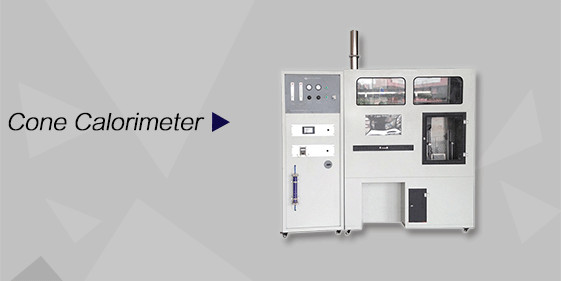
Cone Calorimeter
The import of American VTEC, cone calorimeter ultra high cost performance
more
-
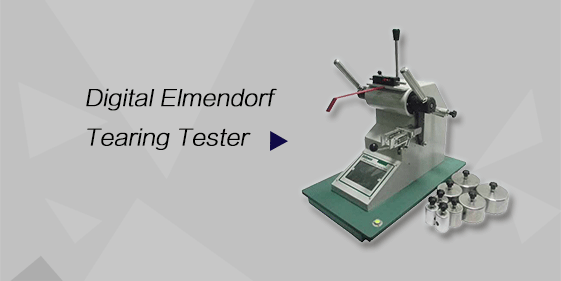
Digital Elmendorf Tearing Tester
Pendulum method test material tear strength, operating more simple, more accurate data
more
-
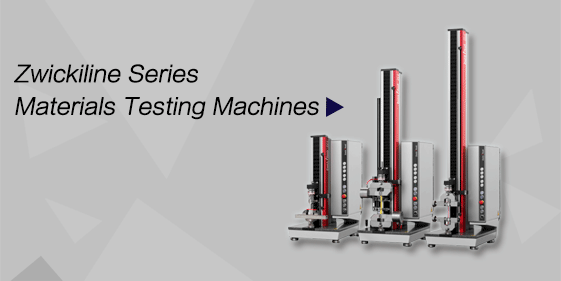
ZwickiLine Materials testing machines
Top of the world's leading universal material testing machine
more
Spinal Internal Fixation System Component Testing Machine
BACK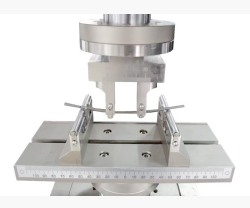


Standards:
Applications:
Product Information:
The Spinal Internal Fixation System Component Testing Machine is a specialized mechanical testing device designed to evaluate the performance, durability, and safety of spinal implants, including rods, screws, plates, and interbody devices. It simulates physiological loads such as compression, torsion, bending, and cyclic fatigue that spinal implants experience in vivo. The machine provides critical data on mechanical strength, stiffness, deformation, and failure modes, helping manufacturers and researchers ensure that spinal fixation components meet clinical safety standards and perform reliably under long-term physiological conditions.
Standard
(1)YY/T 0119-2014 (China): Specifies mechanical testing protocols for spinal fixation components, including screws, plates, rods, and connectors.
(2)ASTM F2193-18 (International): Defines methodologies for evaluating the static and fatigue performance of spinal implant constructs.
(3)ISO 12189-1: Additional compliance for mechanical testing of spinal implant components under physiological loading.
Product Features
(1)Electromagnetic Servo Actuators: 50 kN axial/25 Nm torsional capacity with programmable load ratios (R=0.1–10).
(2)6-DOF Kinematic System: Replicates flexion/extension, lateral bending, and axial rotation (±20° range).
(3)Dynamic Load Control: 0.1–15 Hz frequency range with programmable waveforms (sine, square, random).
(4)Thermal-Mechanical Chamber: -20°C to +50°C temperature control with 10–95% RH humidity.
(5)High-Resolution Imaging: Built-in 5MP camera system for crack propagation analysis.
(6)Safety Suite: Emergency stop, overload clutches, and laser-based specimen breakage detection.
Accessories
(1)Spinal Component Fixture Kit:
Self-centering screw clamps (3.5–7.5 mm)
Plate/rod bending jigs with laser alignment
Universal connectors for hybrid constructs
(2)Thermal-Mechanical Chamber:
25L capacity with rapid cooling/heating (15°C/min)
316L stainless steel interior with HEPA filtration
(3)BioTest Pro Software:
Automated FEA validation and fatigue limit calculation
21 CFR Part 11-compliant audit trail with blockchain timestamping
Remote monitoring via iOS/Android app
(4)Operator Kit:
Calibrated torque wrench set (0.5–50 Nm)
Specimen alignment gauges (ASTM F2193 compliant)
(5)Calibration Bundle:
NIST-traceable force/torque calibration weights
Angular encoder verification tool
(6)Safety Kit:
Laser safety curtains
Acoustic enclosure with 30 dB noise reduction
Technical Parameters
| Parameter | Specification |
|---|---|
| Max. Axial Force | ±50.000 N (50 N resolution) |
| Max. Torsional Moment | ±25 Nm (0.1 Nm resolution) |
| Angular Range | ±20° (0.001° resolution) |
| Frequency Range | 0.1–15 Hz (0.01 Hz increments) |
| Load Ratio (R) | 0.1–10 (adjustable) |
| Temperature Control | -20°C to +50°C (PT1000 sensors) |
| Humidity Control | 10–95% RH (non-condensing) |
| Data Acquisition | 100 kHz sampling rate (16-bit resolution) |
| Power Requirements | 220V/110V ±10%, 50/60Hz, 3.500W |
| Dimensions (W×D×H) | 2.200 × 1.600 × 2.300 mm |
| Weight | 1.400 kg (including environmental chamber) |
| Noise Level | <65 dB (A-weighted) |
Product Advantages
(1)Universal Testing Compatibility: Modular design accommodates screws (3.5–7.5 mm), plates (20–100 mm length), and rods (4.5–6.5 mm diameter).
(2)Multi-Axis Loading: Simultaneous axial/torsional/shear loading replicates complex in vivo stresses.
(3)High-Frequency Stability: 0.1–15 Hz dynamic control with ±0.05% force accuracy.
(4)Biorelevant Environment: Temperature-controlled (37±1°C) lubrication bath with protein skimmer.
(5)AI-Powered Analytics: Machine learning algorithms predict failure modes from initial test cycles.
(6)Regulatory Compliance: Pre-loaded protocols for FDA/CE submission requirements.
Test Procedures
(1)Specimen Preparation: Select and inspect spinal implant components (screws, rods, plates) for defects; ensure proper dimensions and compatibility with the testing fixture.
(2)Fixture Installation: Securely mount the implant components in the testing machine, aligning them according to anatomical orientation and intended loading conditions.
(3)Load Application: Apply controlled mechanical loads, including compression, bending, torsion, and cyclic fatigue, to simulate physiological stresses.
(4)Data Recording: Measure mechanical parameters such as stiffness, deformation, cycles to failure, and fracture points to assess performance and durability.
Maintenance Information
(1)Inspection: Regularly check fixtures, clamps, load cells, and sensors for wear, damage, or misalignment.
(2)Cleaning: Keep fixtures, moving parts, and the testing area free of debris, dust, or residue from test specimens.
(3)Calibration: Periodically calibrate load and displacement sensors to maintain measurement accuracy.
(4)Lubrication & Safety Checks: Lubricate moving parts as recommended and verify that all safety interlocks, emergency stops, and protective covers function correctly.
FAQ
1. What is the Spinal Internal Fixation System Component Testing Machine used for?
It tests the mechanical performance, durability, and safety of spinal implants, including screws, rods, and plates, under simulated physiological loads.
2. What types of loads can the machine apply?
The machine can apply compression, bending, torsion, and cyclic fatigue loads to mimic real spinal stresses.
3. How should test specimens be prepared?
Implant components must be inspected for defects, measured for correct dimensions, and properly mounted in the fixture before testing.
4. What data does the machine provide?
It records stiffness, deformation, cycles to failure, fracture points, and other mechanical properties to evaluate implant durability.
5. What maintenance is required for the machine?
Regular maintenance includes inspecting fixtures and sensors, cleaning the testing area, calibrating sensors, and checking safety interlocks and moving parts.
