




Search keywords:
product name, product type, model number,
test method, manufacturer, technique, application
-
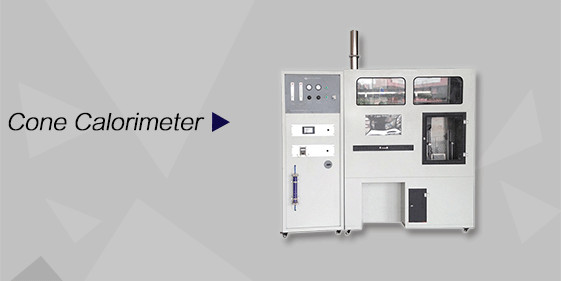
Cone Calorimeter
The import of American VTEC, cone calorimeter ultra high cost performance
more
-
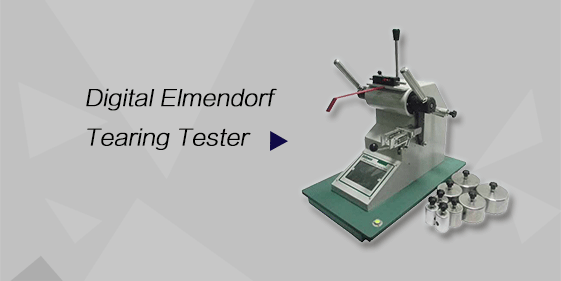
Digital Elmendorf Tearing Tester
Pendulum method test material tear strength, operating more simple, more accurate data
more
-

ZwickiLine Materials testing machines
Top of the world's leading universal material testing machine
more
Liquid Autoignition Point Tester
BACK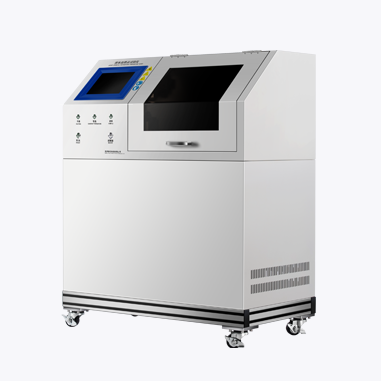


Standards:
Applications:
Product Information:
The Liquid Autoignition Point Tester is a device used to determine the lowest temperature at which a liquid spontaneously ignites without an external ignition source.
Functional Features
Embedded processor with Windows CE operating system.
8-inch LCD touchscreen for real-time display of test status.
Integrates high-temperature insulation, temperature control, and precision measurement technologies.
Electric heating furnace for rapid heating.
Furnace chamber made of vacuum ceramic fiber for excellent thermal insulation.
Thermocouple sensors for fast and accurate temperature response.
Equipped with automatic intelligent sample introduction module and maintenance-free automatic cleaning.
Fully automated test process, including animated demonstration of the experiment and automatic report generation.
Equipped with temperature, humidity, and atmospheric pressure monitoring module for the test environment.
Accessories
(1)Test Chamber: Holds liquid samples for autoignition testing.
(2)Ignition Source: Provides controlled heating to determine ignition temperature.
(3)Temperature Sensors/Thermocouples: Measures precise sample temperature.
(4)Data Interface/Control Unit: Connects to PC or display for monitoring, control, and recording results.
Technical Parameters
| Parameter | Specification |
|---|---|
| Working Environment | 5℃–40℃, <85% RH |
| Test Object | Liquids |
| Temperature Control Range | Room Temperature – 600℃ |
| Temperature Control Accuracy (Below 350℃) | ±1℃ |
| Temperature Control Accuracy (Above 350℃) | ±2℃ |
| Temperature Measurement Range | Room Temperature – 800℃ |
| Temperature Measurement Resolution | 0.1℃ |
| Temperature Measurement Accuracy (Below 300℃) | ±2.5℃ |
| Temperature Measurement Accuracy (Above 300℃) | ±(0.75% of reading) |
| Ambient Pressure Measurement Range | 60–110 kPa |
| Ambient Pressure Accuracy | ±0.5 kPa |
| Heating Chamber Capacity | 3 L |
Product Description
This tester is used to determine the autoignition temperature of liquid chemicals in a uniformly heated container under atmospheric pressure, including both hot-flame and cold-flame ignition conditions.
Scope of Application and Standards
The Liquid Autoignition Point Tester is used to determine the hot-flame and cold-flame autoignition temperatures of liquid chemicals under atmospheric pressure.
Complies with:
GB/T 21860-2008: Test Method for Autoignition Temperature of Liquid Chemicals
ASTM E659-78 (2005): Standard Test Method for Autoignition Temperature of Liquids
Test Procedures
Sample Preparation: Pour liquid sample into the test chamber according to standard volume requirements.
System Setup: Install sensors, ignition source, and ensure chamber sealing.
Testing: Gradually heat the liquid under controlled conditions until autoignition occurs.
Data Recording: Capture the autoignition temperature and any associated observations for analysis.
Maintenance Information
Daily Cleaning: Clean the chamber, sensors, and ignition source after each test to prevent residue buildup.
Calibration: Regularly calibrate temperature sensors and ignition system to maintain accuracy.
Inspection: Check electrical connections, seals, and chamber integrity for wear or damage.
Storage: Keep in a dry, ventilated area and avoid exposure to flammable residues.
FAQ
1. What is the purpose of this tester?
It determines the minimum temperature at which a liquid spontaneously ignites without an external flame, ensuring safety and compliance.
2. Which types of liquids can be tested?
Applicable to fuels, solvents, lubricants, chemicals, and other flammable liquids.
3. How is a test performed?
Liquid samples are placed in a controlled test chamber, gradually heated, and monitored until autoignition occurs.
4. What standards does this tester comply with?
Supports international standards such as ASTM E659. ISO 3016. and other flammability testing guidelines.
5. How should the tester be maintained?
Clean the chamber and sensors after each test, calibrate temperature and ignition systems regularly, inspect seals and connections, and store in a dry, ventilated area.
