




Search keywords:
product name, product type, model number,
test method, manufacturer, technique, application
-
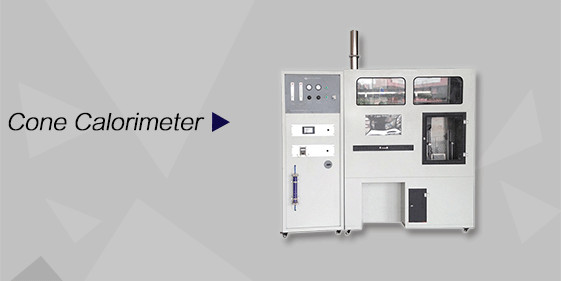
Cone Calorimeter
The import of American VTEC, cone calorimeter ultra high cost performance
more
-
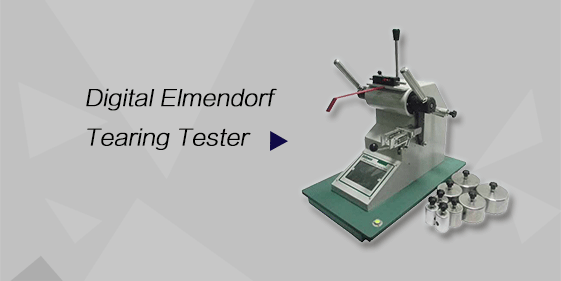
Digital Elmendorf Tearing Tester
Pendulum method test material tear strength, operating more simple, more accurate data
more
-
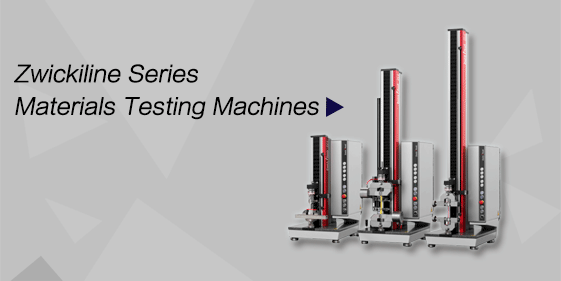
ZwickiLine Materials testing machines
Top of the world's leading universal material testing machine
more
Gas Oxidizing Properties Tester
BACK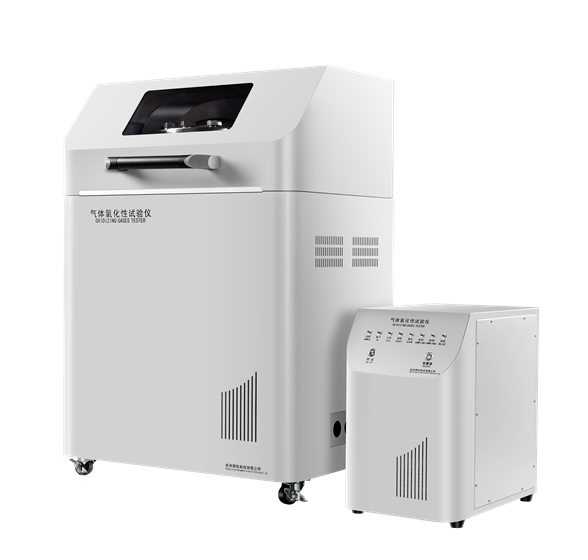


Standards:
Applications:
Product Information:
The Gas Oxidizing Properties Tester is a device used to assess the oxidizing characteristics of gases. It evaluates a gas’s ability to act as an oxidizer, potentially supporting combustion or causing chemical reactions, under controlled laboratory conditions.
Scope of Application and Standards
The tester is used to determine whether a gas or gas mixture has an oxidizing property higher than air, applicable to toxic and corrosive gases or their mixtures.
Complies with the following standards:
ISO 10156-2010. Part 4: Selection of Cylinder Valve Outlet by Determination of Combustion Potential and Oxidizing Ability of Gases and Gas Mixtures
GB/T 27862-2011. Part 4: Test Methods for Classification of Chemical Hazards — Combustion Potential and Oxidizing Ability of Gases and Gas Mixtures
Accessories
(1)Gas Sample Chamber: Securely holds the gas for testing its oxidizing properties.
(2)Oxidation Sensors/Detectors: Measures oxygen content and reactivity.
(3)Control Unit: Regulates temperature, pressure, and gas flow during tests.
(4)Data Interface: Connects to a computer or display for monitoring and recording results.
Technical Specifications
| Parameter | Specification |
|---|---|
| Working Environment | 5℃–40℃, <85% RH |
| Test Chamber Material | Stainless Steel 316L |
| Test Chamber Pressure Resistance | ≥5000 kPa |
| Test Chamber Volume | ≥0.005 m³ |
| Accessories | Magnetic stirrer with adjustable speed |
| Ignition System Metal Rod Diameter | ≥3 mm |
| Nichrome Wire Diameter | 0.05–0.2 mm |
| Ignition Energy | 10–20 J |
| Explosion Pressure Sensor Range | 0–4000 kPa |
| Explosion Sensor Pressure Resistance | ≥6000 kPa |
| Explosion Sensor Accuracy | ±0.1% FS |
| Explosion Sensor Response Time | ≤1 ms |
| Gas Distribution Sensor Range | 0–200 kPa |
| Gas Distribution Sensor Accuracy | ±0.1% FS |
| Temperature Measurement Range | 0–150℃ |
| Temperature Measurement Accuracy | ±1℃ |
| Main Unit Dimensions | 830 mm × 650 mm × 1200 mm |
| Electrical Control Box Dimensions | 320 mm × 500 mm × 500 mm |
| Weight | 280 kg |
| Main Unit Power Supply | AC 220V ±10%, 50 Hz ±3 Hz |
| Rated Power | 400 W |
| Ignition Power | 3000 W |
Functional Features
Separate design for the testing apparatus and control system, ensuring safety of both the operator and instrument.
Comes with PC operation software to reduce operational difficulty.
Supports remote ignition for operator safety.
Equipped with high-precision pressure sensors to accurately measure explosion pressure and control gas partial pressure and mixture concentration.
Magnetic stirrer for uniform gas mixing.
Electronic microprocessor control of ignition timing.
Automatic cleaning function.
Automatic pressure relief option after testing, releasing pressure in the test chamber.
Multiple explosion-proof features to protect personnel.
Automatic fault detection and audiovisual alarm system.
Fully automated test process, supporting parameter setting, data storage, and report generation without manual intervention.
Test Procedures
Sample Preparation: Collect or generate gas samples according to standard protocols.
System Setup: Place the sample in the chamber and connect detectors and control units.
Testing: Measure oxidizing behavior under controlled temperature and pressure conditions.
Data Recording: Capture readings on oxygen levels, reaction rates, and other relevant parameters for analysis.
Maintenance Information
Daily Cleaning: Wipe the chamber and sensors to remove residues and prevent contamination.
Calibration: Regularly calibrate sensors to maintain measurement accuracy.
Inspection: Check tubing, seals, and electrical connections for damage or leaks.
Storage: Store the device in a clean, dry, ventilated environment, away from reactive gases.
FAQ
1. What is the purpose of this tester?
It evaluates the oxidizing potential and reactivity of gases to ensure safety and compliance with industrial standards.
2. Which gases can be tested?
Applicable to oxygen-rich gases, industrial oxidizers, and reactive gas mixtures.
3. How is a test performed?
Gas samples are placed in a controlled chamber where sensors measure oxidation properties under specified temperature and pressure conditions.
4. What standards does this tester comply with?
Supports international and industry standards, including ISO, ASTM, and IEC guidelines for gas oxidizing property testing.
5. How should the tester be maintained?
Clean sensors and chamber after use, calibrate instruments regularly, inspect seals and tubing, and store in a dry, ventilated environment away from reactive substances.
