




Search keywords:
product name, product type, model number,
test method, manufacturer, technique, application
-
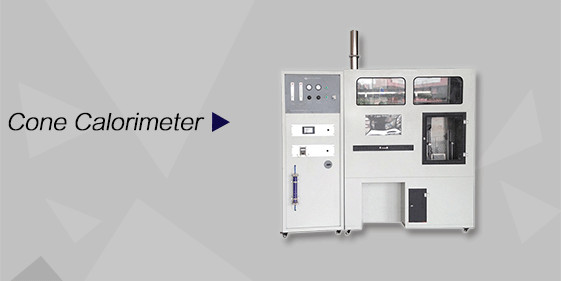
Cone Calorimeter
The import of American VTEC, cone calorimeter ultra high cost performance
more
-
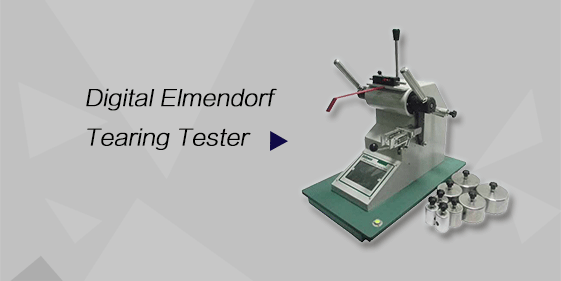
Digital Elmendorf Tearing Tester
Pendulum method test material tear strength, operating more simple, more accurate data
more
-
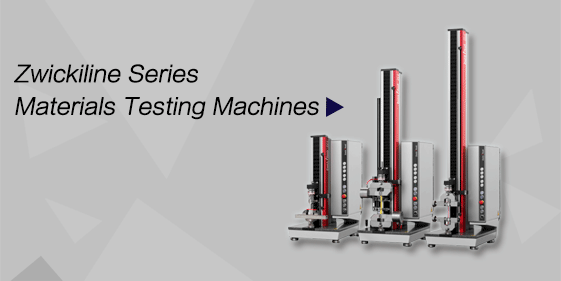
ZwickiLine Materials testing machines
Top of the world's leading universal material testing machine
more
Gas Hazard Characteristics Tester
BACK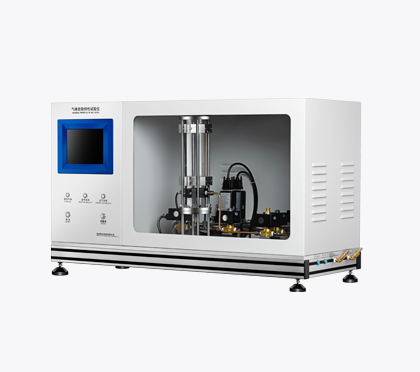


Standards:
Complies with GB 19521.3-2004: Safety Regulations for Testing Hazardous Properties of Flammable Gases.
Applications:
The Gas Hazard Characteristics Tester is designed to determine the flammable concentration range of gases in air, applicable to most pure combustible gases and gas mixtures prepared in specific proportions.
Product Information:
The Gas Hazard Characteristics Tester is a device used to determine the flammable concentration range of gases in air. It evaluates how easily a gas or a gas mixture can ignite under controlled conditions, measuring combustion limits, flame propagation, and burning rates.
Product Description
This tester is used to determine the flammable concentration range of gases in air, suitable for most pure combustible gases as well as mixtures composed of several pure combustible gases in specified proportions.
Accessories
(1)Gas Sampling Chamber: Holds the gas sample securely for testing.
(2)Sensors/Detectors: Measures flammability, toxicity, or explosive potential.
(3)Control Unit: Regulates temperature, pressure, and gas flow during tests.
(4)Data Interface: Connects to PC or display for recording and analysis.
Technical Parameters
| Parameter | Specification |
|---|---|
| Working Environment | 5℃–30℃, <85% RH |
| Flow Control Range | 5–500 sccm |
| Flow Control Accuracy | ±1% FS |
| Flow Measurement Response Time | ≤1 s |
| Combustion Detection Response Time | ≤1 ms |
| Safety Valve Opening Pressure | 2 kg/cm² |
| Reaction Tube Dimensions | Length 300 mm, Inner Diameter 50 mm, Thickness 5 mm |
| Combustion Velocity Detection Range | ≤500 cm/s |
| Combustion Velocity Accuracy | ±5 mm/s |
| Gas Channel Inlet Pressure | ≤5 MPa |
| Gas Sampling Bag Volume | 1 L |
Functional Features
Embedded processor with Windows CE operating system.
8-inch LCD touchscreen for real-time display of test status.
High-resolution photosensitive sensor with fast response time, capturing flash or explosion events and outputting detection signals.
Dual-channel digital flow meter for highly accurate gas flow control, ensuring precise mixing of test gas and air.
Equipped with an online gas sampling channel for quantitative analysis via GC/MS or other instruments.
High-precision photosensitive sensor monitors light intensity inside the reaction tube in real time, automatically determining the flammability of the gas at that concentration and providing combustion rate data.
Automatic determination of combustion performance during testing, with control over gas concentration ramping.
Reaction chamber constructed with double-layer tempered glass for operator safety.
Fully automated testing process without manual intervention, supporting parameter setting, data storage, and report generation.
Test Procedures
Sample Preparation: Collect or generate gas samples according to standard protocols.
System Setup: Install the sample in the chamber and connect sensors.
Testing: Measure hazard characteristics such as flammability limits, explosion pressure, and toxic concentration.
Data Recording: Capture and analyze readings for compliance and safety assessment.
Maintenance Information
Daily Cleaning: Wipe sensors, chamber, and connectors to remove residues.
Calibration: Regularly calibrate sensors to ensure accurate measurements.
Inspection: Check tubing, seals, and electrical connections for wear or leaks.
Storage: Keep in a clean, dry, and ventilated environment, away from reactive gases.
FAQ
1. What is the purpose of this tester?
It evaluates the flammability, explosiveness, and toxicity of gas samples to ensure safety and regulatory compliance.
2. Which types of gases can be tested?
Applicable to industrial gases, chemical vapors, fuel gases, and other hazardous gas mixtures.
3. How is a test conducted?
Gas samples are introduced into a controlled chamber, sensors measure key hazard parameters, and data is recorded for analysis.
4. What standards does this tester comply with?
Supports international and industry standards for gas hazard evaluation, including ISO, ASTM, and IEC guidelines.
5. How should the tester be maintained?
Clean sensors and chamber after use, calibrate instruments regularly, inspect tubing and seals, and store in a dry, ventilated area.
