




Search keywords:
product name, product type, model number,
test method, manufacturer, technique, application
-
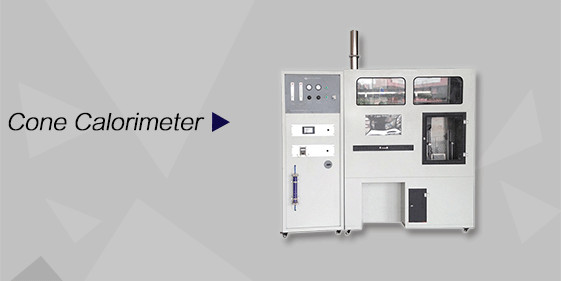
Cone Calorimeter
The import of American VTEC, cone calorimeter ultra high cost performance
more
-
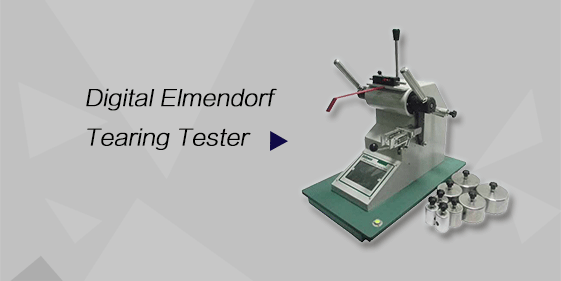
Digital Elmendorf Tearing Tester
Pendulum method test material tear strength, operating more simple, more accurate data
more
-

ZwickiLine Materials testing machines
Top of the world's leading universal material testing machine
more
Electrode Plate Resistance Tester
BACK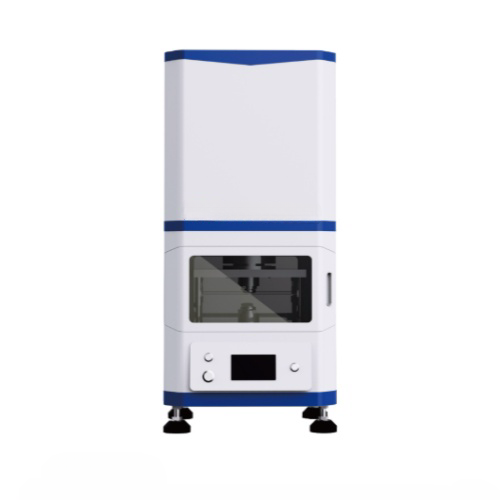


Standards:
Applications:
(1)Material evaluation
(2)Process evaluation
(3)Battery cell failure analysis
Product Information:
The Electrode Plate Resistance Tester integrates high-precision pressure control with thickness and resistance measurement systems. It uses a dual-plane controllable pressure disc electrode method to test the overall through-plane internal resistance of electrode plates, including coating resistance, contact resistance between coating and current collector, and current collector resistance. This device is suitable for electrode formulation development and process stability monitoring.
Main Features
(1)Innovative electrode resistance testing method for evaluating the uniformity of the conductive network in electrode plates.
(2)Fully automated testing software with freely adjustable parameters and one-click start.
(3)Real-time monitoring and output of pressure, compressive stress, environmental temperature, environmental humidity, thickness, resistance, resistivity, conductivity, and compaction density, with automatic data saving.
(4)Equipped with standard thickness blocks and resistance blocks calibrated by a third-party metrology institute.
Accessories
(1)Electrode Plates: Standardized plates for consistent measurement.
(2)Connecting Cables/Clamps: Ensure secure electrical connections.
(3)Calibration Resistors: Used to verify accuracy of resistance readings.
(4)Control Unit: Digital display or software interface for measurement settings.
Technical Parameters
| Equipment Type | Details |
|---|---|
| Pressure Application | Motor-driven (requires air source, pressure range: 5–35 MPa), Servo motor-driven (no air source required, pressure range: 5–60 MPa) |
| Measurable Parameters | Resistance, Pressure, Temperature & Humidity, Compressive Stress, Thickness, Compaction Density |
| Specifications | 1. Dimensions: 355 mm × 321 mm × 560 mm, 355 mm × 321 mm × 795 mm 2. Equipment Weight: 70 kg, 83 kg 3. Equipment Power: 100 W, 450 W |
Key Advantages
(1)Directly measures the true through-plane resistance of electrode plates.
(2)Separates voltage and current lines to eliminate inductive effects on voltage measurements, improving accuracy.
(3)Equipped with standard resistance and thickness blocks calibrated by a third-party metrology institute.
Testing Method and Principle
The BER series multifunctional Electrode Plate Resistance Tester uses a dual-plane controllable pressure disc electrode method to directly measure the true overall through-plane resistivity of electrode plates, which includes coating resistance, contact resistance between coating and current collector, and current collector resistance.
Test Procedures
Sample Preparation: Clean electrode plates and the sample surface to remove dirt or oxidation.
Connection Setup: Attach cables and clamps to the electrodes and test sample.
Resistance Measurement: Apply voltage/current and record resistance values.
Data Recording: Document readings for quality control or compliance verification.
Maintenance Information
Daily Cleaning: Wipe electrode plates and cables to prevent residue buildup.
Calibration: Periodically check against standard resistors to maintain measurement accuracy.
Inspection: Examine cables, connectors, and plates for wear or damage.
Storage: Keep device in a dry, dust-free environment to prevent corrosion.
FAQ
1. What is the purpose of this tester?
It measures the electrical resistance of electrode plates and conductive materials to ensure proper conductivity and performance.
2. Which materials can be tested?
Applicable to metal electrodes, conductive coatings, battery plates, and other conductive materials.
3. How is a resistance test performed?
Electrodes are connected to the tester with cables and clamps; a voltage or current is applied, and the resistance is recorded.
4. What standards does this tester comply with?
Supports international standards for electrode and conductive material testing, including ISO and IEC protocols.
5. How should the tester be maintained?
Clean electrodes and cables after each use, calibrate with standard resistors regularly, inspect for wear, and store in a dry, dust-free environment.
