




Search keywords:
product name, product type, model number,
test method, manufacturer, technique, application
-
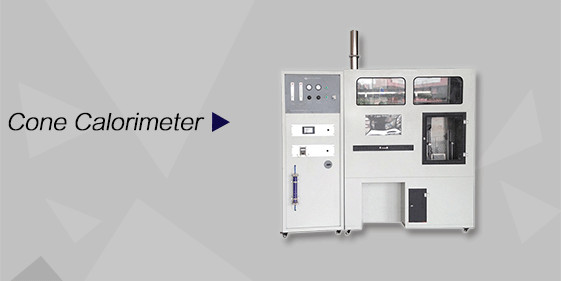
Cone Calorimeter
The import of American VTEC, cone calorimeter ultra high cost performance
more
-
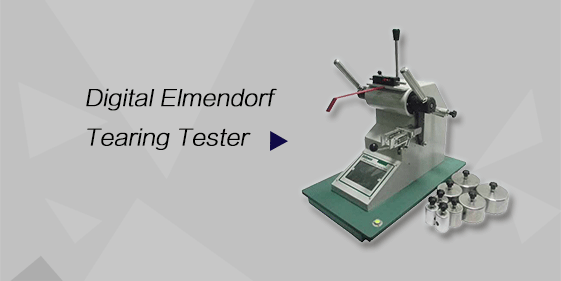
Digital Elmendorf Tearing Tester
Pendulum method test material tear strength, operating more simple, more accurate data
more
-
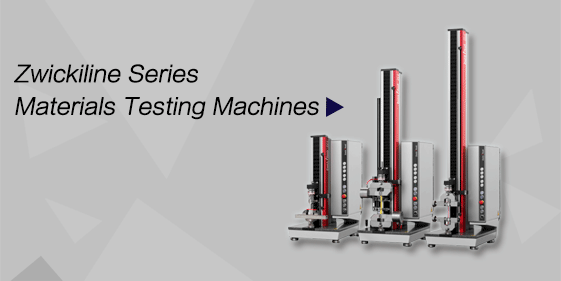
ZwickiLine Materials testing machines
Top of the world's leading universal material testing machine
more
Unglazed Ceramic Tile Abrasion Resistance Testing Machine
BACK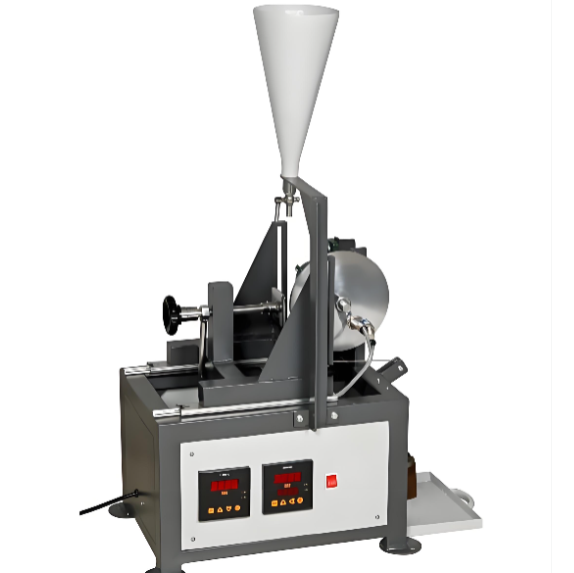


Standards:
Applications:
Product Information:
This instrument adopts a reduction mechanism based on the cycloidal pin gear meshing planetary transmission principle. It features a compact structure, stable transmission, low noise, and constant output speed.
Standards
GB/T 3810.6—2016 / ISO 10545-6:1995 《Test Methods for Ceramic Tiles – Determination of Resistance to Deep Abrasion for Unglazed Tiles》
GB 28635-2012 《Test Method for Abrasion Resistance of Concrete Pavement Bricks》
GB/T 32987-2016 《Test Methods for Performance of Concrete Pavement Bricks》
GB/T 12988-2009 《Test Method for Abrasion Resistance of Inorganic Flooring Materials》
It is suitable for abrasion resistance testing of unglazed/glazed tiles, concrete, natural stone, cement pavement bricks, ceramic tiles, and similar materials.
It is an essential testing instrument for improving inspection conditions and ensuring product quality in the building ceramics and related industries.
Technical Parameters
Grinding wheel rotational speed: 75 r/min (constant).
Grinding Wheel 1:
Diameter: 200 ± 0.2 mm
Thickness: 10 + 0.1 mm
Material: E235A or Fe360A steel
Applicable standard: GB/T 3810.6-2006
Grinding Wheel 2:
Diameter: 200 + 0.2 mm
Thickness: 70 ± 0.1 mm
Material: 45 steel
Hardness: HB 203–245
Applicable standards: GB/T 12988-2009. GB/T 32987-2016
Specimen Size: 100 mm × 150 mm
The narrow grinding wheel uses F80 corundum abrasive in accordance with ISO 8684-1.
The wide grinding wheel uses F36 brown fused alumina abrasive.
The hopper capacity is greater than 5 L.
The test time can be preset as required.
Loading Weights
Weight 1: 2.5 ± 3 kg (applicable to GB/T 3810.6-2006)
Weight 2: 14 kg (applicable to GB/T 12988-2009)
Instrument Description and Principle
This machine adopts an electromechanical integrated structure, consisting of a motor, reduction mechanism, specimen holder, abrasive hopper, and digital time controller.
It features low operating noise, high durability, and low power consumption.
The grinding wheel rotates at a constant speed. The specimen is pressed against the steel grinding wheel under a specified load using the applied weights. Abrasive material enters the grinding zone uniformly at a regulated flow rate, causing abrasion on the specimen surface and forming a wear groove.
The wear degree is determined by measuring the chord length of the wear groove on the specimen surface (accurate to 0.5 mm) and calculating the wear volume.
When using a wide grinding wheel, only the groove length is measured to evaluate abrasion resistance, without calculating volume.
Each specimen is evaluated based on the average wear volume from two different test positions.
Operation and Use
Select the grinding wheel and loading weights according to the test standard.Typically, the small weight and narrow grinding wheel are used.
Fill the hopper with dry abrasive material.
Fix the dry and clean specimen onto the specimen holder, ensuring that:
The specimen is perpendicular to the holder base
Its lower surface is tangent to the grinding wheel
Connect the power supply. The power indicator will light up.Perform a trial run.
Note: If the rotation direction is incorrect, interchange any two power wires.
Preset the test time (typically 2 minutes).
Lift the hook at the rear of the holder to bring the specimen into contact with the grinding wheel.Adjust the hopper gate so that abrasive material flows uniformly into the grinding zone.
Flow rate: greater than 1 L/min
Press the start button.The motor will run and automatically stop when the preset time is reached.
Then: Close the hopper gate,Stop the abrasive flow
Move the holder and remove the specimen.Using a measuring instrument with 0.1 mm accuracy, measure the chord length of the wear groove on the specimen.Perform measurements at two perpendicular positions on the specimen surface.
Use the measured chord length to: Find the corresponding wear volume from the reference table, or Calculate the volume using the provided formula.
Note: For a 70 mm wide grinding wheel, only the chord length is measured, and volume calculation is not required.
