




Search keywords:
product name, product type, model number,
test method, manufacturer, technique, application
-
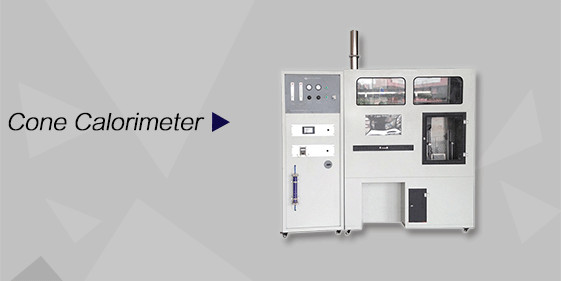
Cone Calorimeter
The import of American VTEC, cone calorimeter ultra high cost performance
more
-
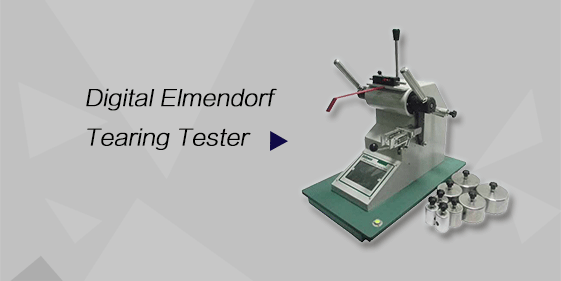
Digital Elmendorf Tearing Tester
Pendulum method test material tear strength, operating more simple, more accurate data
more
-

ZwickiLine Materials testing machines
Top of the world's leading universal material testing machine
more
Glazed Ceramic Tile Surface Abrasion Tester
BACK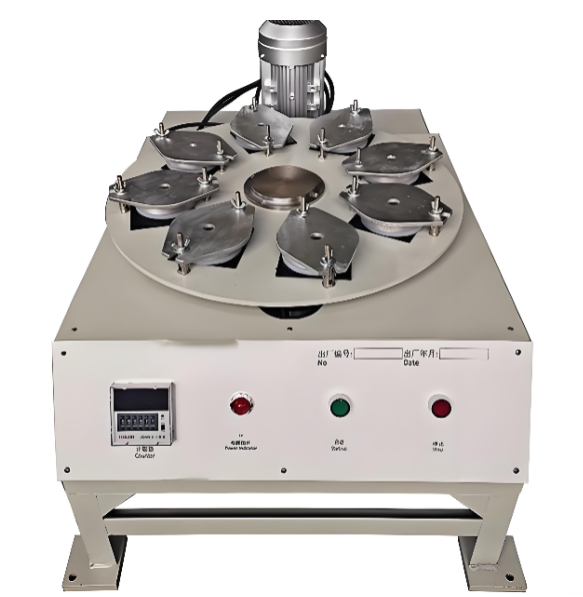


Standards:
Applications:
Product Information:
Main Purpose and Application Range
The LM glazed ceramic tile abrasion tester is designed and manufactured in full compliance with GB/T 3810.7-2016 《Test Methods for Ceramic Tiles – Determination of Surface Abrasion Resistance of Glazed Tiles》. A certain amount of abrasive is placed on the glazed surface of the ceramic tile, and the abrasive is used to grind the surface. The difference in the glazed surface of the worn specimens is then visually compared and classified.
Main Technical Parameters
Specimen size: 100 × 100 mm; up to 8 samples can be tested simultaneously. Fewer than 8 samples can also be tested.
Distance between the center of the support turntable and each specimen center: 195 mm, and the spacing between adjacent specimen fixtures is equal.
Rated speed of the support disc: 300 rpm.
Eccentricity: e = 22.5 mm.
Inner diameter of metal fixture with rubber seal: Φ83 mm; internal height of fixture: 25.5 mm.
Counter range of preset rotation counter: 0–999.999.
Motor power: 0.55 kW.
Power supply: 380 V ±10%, 50 Hz ±10%.
Main Structure and Working Principle
The equipment consists of the main body, transmission mechanism, support turntable, eight metal fixture boxes with rubber seals, and an electrical control system.
The motor drives the transmission system, causing the support disc to rotate at 300 rpm. At the same time, an eccentricity of 22.5 mm is generated. As a result, each specimen performs a circular motion with a diameter of 45 mm, allowing the abrasive to grind the glazed surface of the specimen.
The electrical control system controls the preset number of rotations. When the preset value is reached, the machine automatically stops.
The tester features a novel structure, stable operation, low noise, and easy operation. It can test up to 8 samples or fewer simultaneously. Equipped with a digital time relay, the operator only needs to switch on the power without monitoring; the machine will automatically complete the test according to the preset time (or rotation count).
