




Search keywords:
product name, product type, model number,
test method, manufacturer, technique, application
-
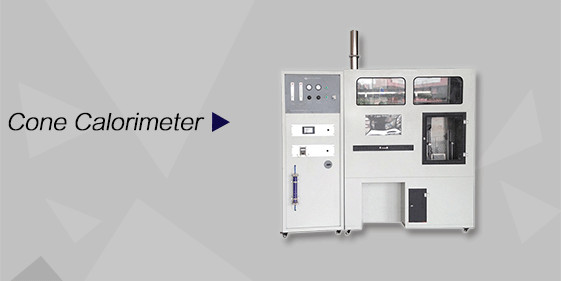
Cone Calorimeter
The import of American VTEC, cone calorimeter ultra high cost performance
more
-
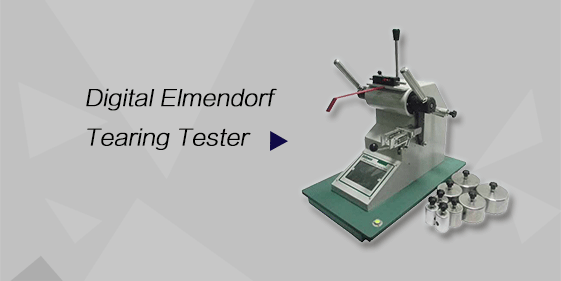
Digital Elmendorf Tearing Tester
Pendulum method test material tear strength, operating more simple, more accurate data
more
-
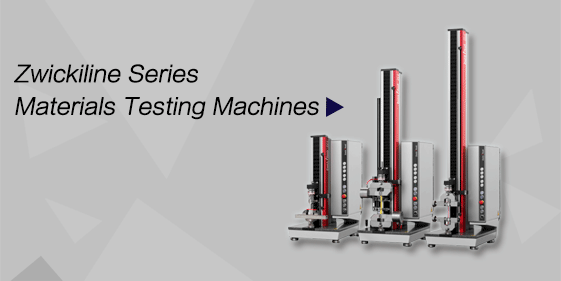
ZwickiLine Materials testing machines
Top of the world's leading universal material testing machine
more
High-Power Flame Spray Coating Equipment
BACK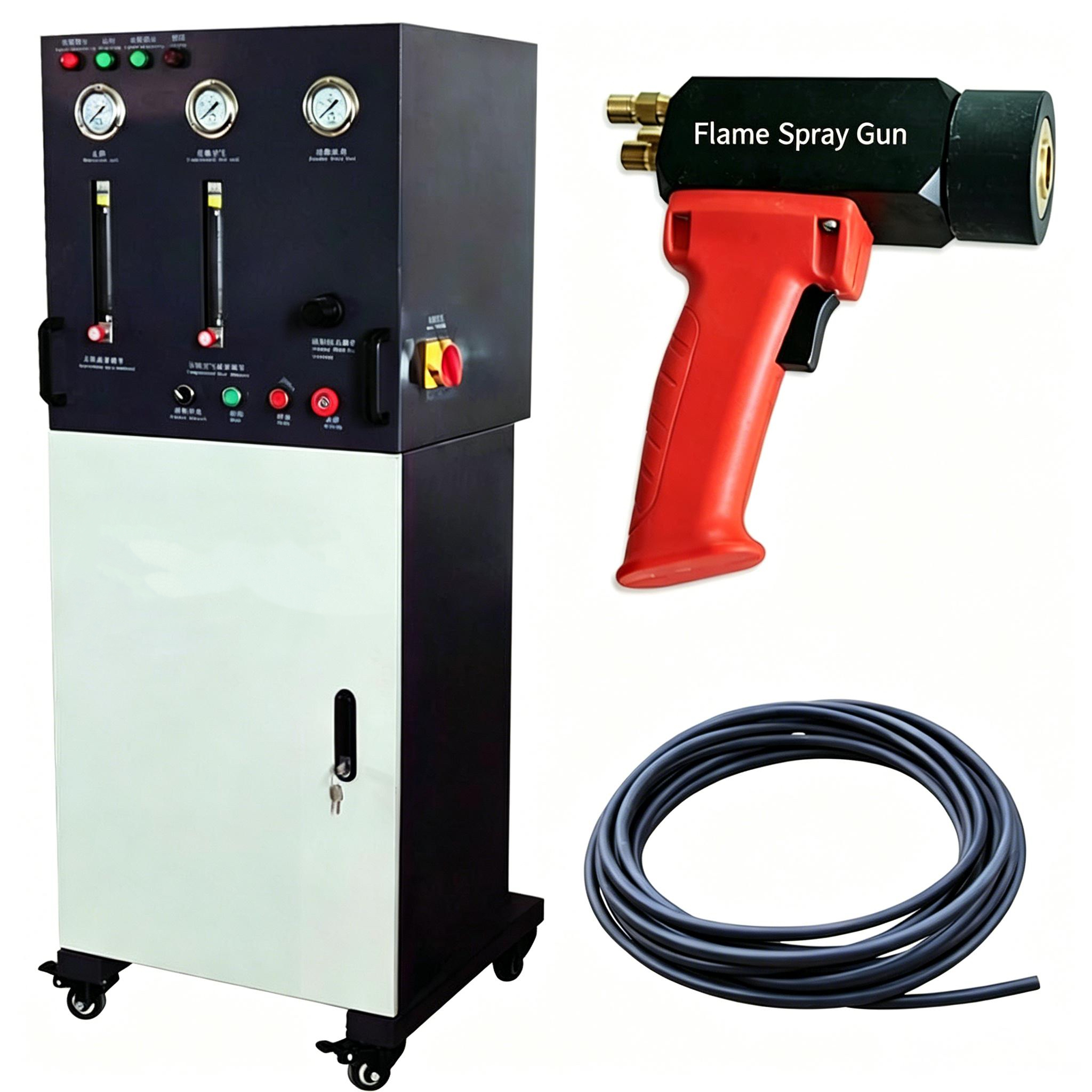


Standards:
Applications:
Directly applies various acid-, alkali-, and salt-resistant plastic coatings without the need for a heating or curing system. It is particularly suitable for large-area on-site flame spray coating applications. In terms of corrosion resistance, operating process, and working conditions, it can partially replace heavy-duty anti-corrosion coatings and fiberglass linings.
Product Information:
This equipment adopts a unique trolley-type stainless steel large-capacity powder feeder, which allows two spray guns to operate simultaneously.The powder feeding system features a cyclone fluidized bed combined with an adjustable Venturi powder injector and an additional powder-cleaning ejector, ensuring that no powder accumulates in the long hose between the feeder and the spray gun.As the powder feeder is non-pressurized, powder can be refilled without stopping the spray gun, guaranteeing continuous, stable, uniform, and long-duration spraying in all directions. The spray gun is designed with a special gas-mixing method and a double-layer shielding gas structure, effectively preventing flashback during the spraying process.The High-Power Flame Spray Coating Equipment is currently the only flame spray coating system in China capable of achieving the highest efficiency for large-area anti-corrosion field applications. It is widely suitable for on-site corrosion protection of chemical plants, large vessels, storage tanks, and oil & gas pipelines.
Configuration
The complete equipment consists of a control cabinet, flame spray gun, powder feeder, pipelines, and gas line regulating valves. The user needs to provide their own 0.9 m³/min air compressor, oxygen, acetylene gas, as well as oxygen-acetylene pressure reducers and pipelines.
Features
Plastic powder flame spraying, also known as flame spraying or flame powder coating, is mainly used for large-area on-site coating applications for anti-corrosion purposes. It is characterized by a relatively thick coating, simple application process, and lightweight, portable equipment that enables on-site construction.
Compared with electrostatic powder coating and fluidized bed coating, flame spraying offers the following advantages:
① Low equipment cost, with no need for a dedicated spray booth or curing oven.
② Lightweight and portable equipment allows on-site application, and spraying is not restricted by the size or shape of the workpiece.
③ Can be carried out under harsh environmental conditions such as 100% relative humidity and low temperatures.
④ The powder coating contains no solvents and requires no drying or curing time after spraying—ready for immediate use.
⑤ Applicable to various substrate materials, such as steel, concrete, etc.
⑥ The coating is repairable; small defects can be fixed by simply reheating the surface, while larger defects can be re-sprayed.
⑦ Easy powder and color change.
 Spraying parameters
|
Item |
Gas Pressure Parameters (MPa) |
Plastic Powder Type |
Recommended Preheating Temperature (°C) |
Long-term Service Temperature (°C) |
|
|
Gas Section |
Acetylene working pressure(MPa) |
0.10–0.12 |
High-density polyethylene (HDPE) |
120–150 |
-70 to +60 |
|
Low-density polyethylene (LDPE) |
150–200 |
-70 to +75 |
|||
|
Oxygen working pressure(MPa) |
0.50–0.60 |
Nylon 11 |
170–230 |
-50 to +80 |
|
|
Nylon 12 |
170–230 |
-50 to +80 |
|||
|
Dry compressed air |
0.40–0.60 |
Nylon 1010 |
210–250 |
-50 to +80 |
|
|
Nylon 66 |
250–270 |
-50 to +80 |
|||
|
Spray distance (mm) |
150–300 |
PE / PO / Cross-linked polyethylene |
180–250 |
-14 to +120 |
|
|
Chlorinated polyether |
170–230 |
-30 to +120 |
|||
|
Powder section |
Powder deposition rate (%) (double protective gas) |
85–95 |
Epoxy powder |
150–200 |
80 |
|
Ethylene-acrylic acid copolymer (EAA) Ethylene-vinyl acetate copolymer (EVA) |
80–130
|
-45 to +70 |
|||
|
Recommended powder particle size (mesh) |
Thermoplastic powder: 80–140 |
Thermosetting powder: 100–140 |
|||
FAQ
1. What is High-Power Flame Spray Coating Equipment?
It is a thermal spraying system that uses high-temperature flame to melt coating materials (such as powders or wires) and spray them onto a substrate surface to form a protective coating with high hardness, wear resistance, and corrosion resistance.
2. What is its working principle?
The equipment combusts fuel gas with oxygen to generate a high-temperature flame, which melts the coating material. Compressed air then accelerates and propels the molten particles onto the workpiece surface, where they rapidly solidify to form a dense coating layer.
3. What materials can it spray?
It can spray a variety of materials, including:
Metal powders (nickel, cobalt, aluminum alloys)
Ceramic powders (alumina, zirconia)
Carbide materials (tungsten carbide)
Composite coating materials
4. What are its main applications?
It is widely used in:
Aerospace components protection
Automotive engine parts
Mold and tooling surface reinforcement
Oil and gas equipment anti-corrosion
Marine and heavy machinery wear protection
5. What are the advantages of this equipment?
Key advantages include:
High bonding strength coating
Excellent wear and corrosion resistance
Suitable for large-area repair and coating
Cost-effective surface restoration solution
