




Search keywords:
product name, product type, model number,
test method, manufacturer, technique, application
-
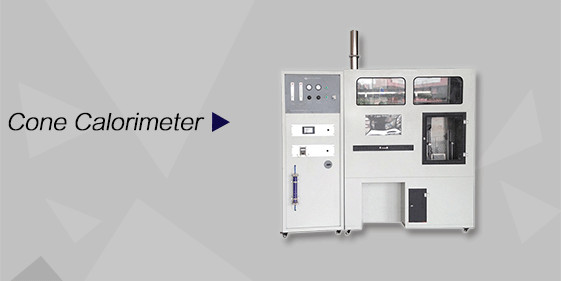
Cone Calorimeter
The import of American VTEC, cone calorimeter ultra high cost performance
more
-
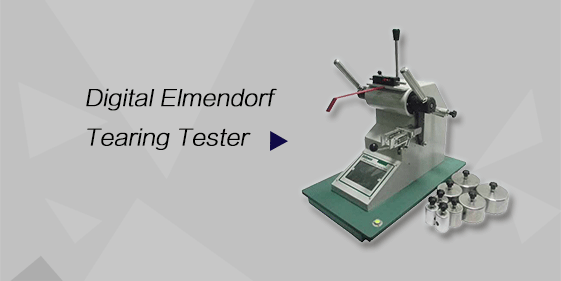
Digital Elmendorf Tearing Tester
Pendulum method test material tear strength, operating more simple, more accurate data
more
-
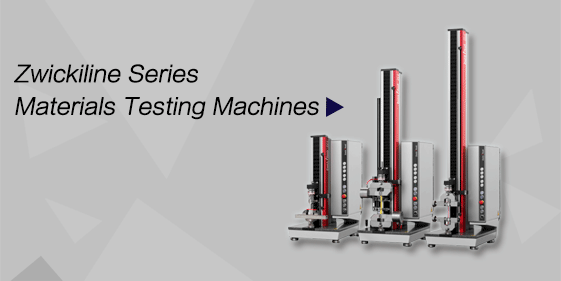
ZwickiLine Materials testing machines
Top of the world's leading universal material testing machine
more
Full-Spectrum Halogen Lamp Solar Simulator
BACK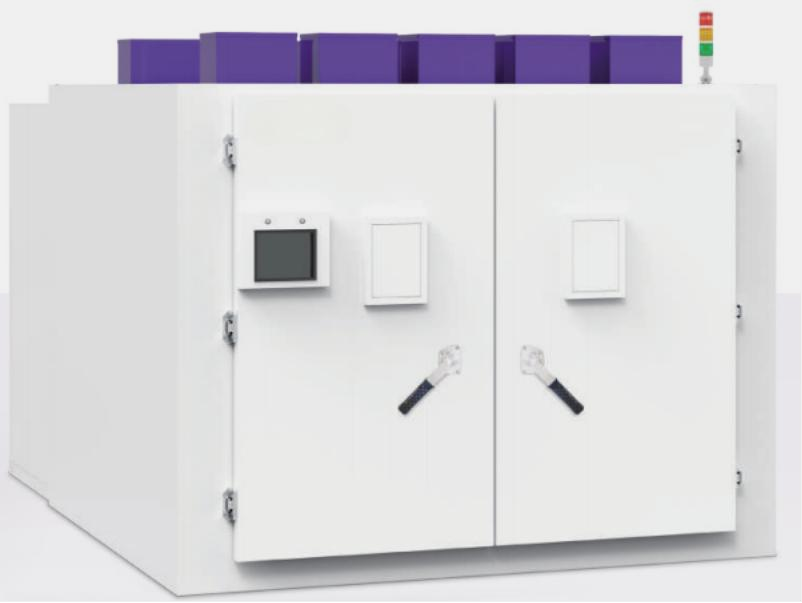


Standards:
Applications:
Aging tests for cables, polymers, and other materials.
Environmental and climate simulation testing.
Ultraviolet irradiation testing for coating materials.
Sunlight load testing for automotive applications, electronic components, and photovoltaic modules.
Color fastness and material stability testing for coatings, textiles, and plastics under intensified ultraviolet and solar radiation exposure.
Product Information:
A Full-Spectrum Halogen Lamp Solar Simulator is a laboratory device that artificially replicates the natural sunlight spectrum indoors. It provides a stable, controllable environment that closely approximates natural daylight and is commonly used in photovoltaic testing and materials research.
Features
Suitable for a wide range of applications, from material aging tests to photovoltaic research, meeting both industrial and scientific research requirements.
PLC programmable control system enables adjustable light intensity with high adaptability.
Wide-angle symmetrical illumination design provides excellent light uniformity.
Modular array structure allows customization for systems of any size.
Modular design makes the system suitable for various scales of customized solar simulation applications.
 Parameters
|
Optical Performance Parameters |
|
|
Light Exposure Test Standard |
IEC 60904-2020 |
|
Effective Irradiation Area |
2200 × 1200 mm |
|
Irradiance Intensity at Reference Plane |
500 ~ 1000 W/m² |
|
Irradiance Non-Uniformity |
< 5% (Class B) |
|
Irradiance Instability |
≤ 2% (Class A)
|
|
Single Lamp Power |
2000W / 4000W |
|
Lamp Warranty |
Accumulated warranty time: 1500 hours |
|
Light Source Control |
EPS independent light source control |
|
Dimming Range |
50% ~ 100% |
|
Power Supply Characteristics |
Electronic square-wave current power supply, flicker-free |
|
Adjustment Functions |
Irradiance intensity adjustment, parameter display, lamp status indication, over-temperature display |
|
Ballast (EPS) |
Each lighting unit is equipped with a ballast specially designed for the optical simulation system. According to the required irradiance intensity, the EPS provides continuous and stable voltage and current to the lamp, effectively compensating for energy attenuation caused by long-term operation, thereby ensuring stable output performance. |
|
Illumination Chamber Specifications |
|
|
Chamber Dimensions (Approx.) |
1400 mm × 2800 mm × 1900 mm (W × D × H) |
|
Overall Dimensions (Approx.) |
1650 mm × 3400 mm × 2260 mm (W × D × H) |
|
Exterior Material |
High-quality cold-rolled steel plate with electrostatic powder coating surface treatment |
|
Interior Material |
Stainless steel plate; side walls equipped with optical simulation full-reflection panels for secondary sealing and optical reflection control |
|
Chamber Floor Material |
Anti-slip stainless steel checker plate, load capacity > 500 kg/㎡ |
|
Test Cable Port |
Diameter: 100 mm; located on one side of the chamber, equipped with a rubber sealing plug |
|
Control System |
Controller (10.0-inch high-definition TFT true-color LCD touch screen) |
|
Power System Alarms |
Phase loss and phase sequence protection; leakage protection |
|
Electrical Control Cabinet Alarm |
Pre-start and operating status indication; fault alarm |
|
Irradiation Protection |
Radiation protection face shield; radiation protection work clothing |
|
Other |
Component over-temperature protection; chamber grounding protection; audible and visual alarm indicator |
|
Emergency Stop Switch |
Emergency stop switch installed on the instrument operation interface and equipment unit |
|
Fault Indicator Light |
Three-color indicator light |
FAQ
1. What is a Full-Spectrum Halogen Lamp Solar Simulator?
A Full-Spectrum Halogen Lamp Solar Simulator is a laboratory device that uses halogen lamps to simulate sunlight across a wide spectral range. It is used for testing material aging, thermal effects, and light response performance under controlled indoor conditions.
2. What is its working principle?
The system generates light through high-intensity halogen lamps, which produce a continuous spectrum similar to sunlight. Optical filtering and control systems are used to adjust irradiance intensity and ensure stable, uniform illumination for testing samples.
3. What parameters can it test?
It is commonly used to evaluate:
Light intensity and irradiance stability
Material photothermal aging behavior
Surface temperature response under irradiation
Color change and optical degradation
Performance of light-sensitive materials
4. What are its typical applications?
It is widely used in:
Photovoltaic material testing (preliminary research)
Polymer and plastic aging tests
Coating and paint durability evaluation
Textile light exposure testing
Electronic component photothermal stability studies
5. What are the advantages of halogen lamp solar simulators?
Key advantages include:
Continuous full-spectrum output (UV–visible–IR)
Stable and uniform light distribution
Simple structure and cost-effective operation
Good thermal radiation simulation capability
Suitable for general material testing and R&D
