




Search keywords:
product name, product type, model number,
test method, manufacturer, technique, application
-
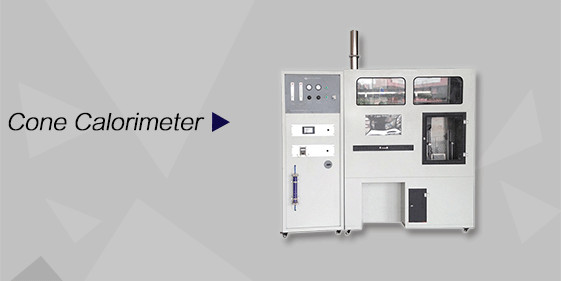
Cone Calorimeter
The import of American VTEC, cone calorimeter ultra high cost performance
more
-
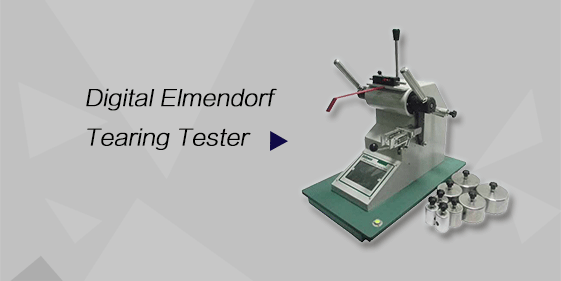
Digital Elmendorf Tearing Tester
Pendulum method test material tear strength, operating more simple, more accurate data
more
-
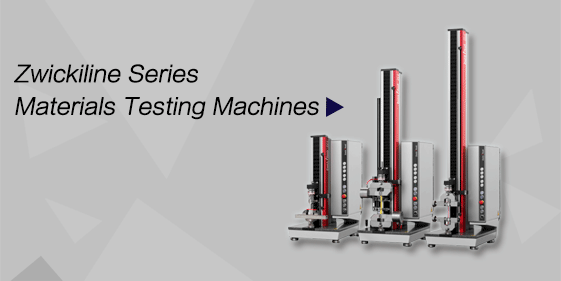
ZwickiLine Materials testing machines
Top of the world's leading universal material testing machine
more
Portable Soil Electrical Conductivity Tester
BACK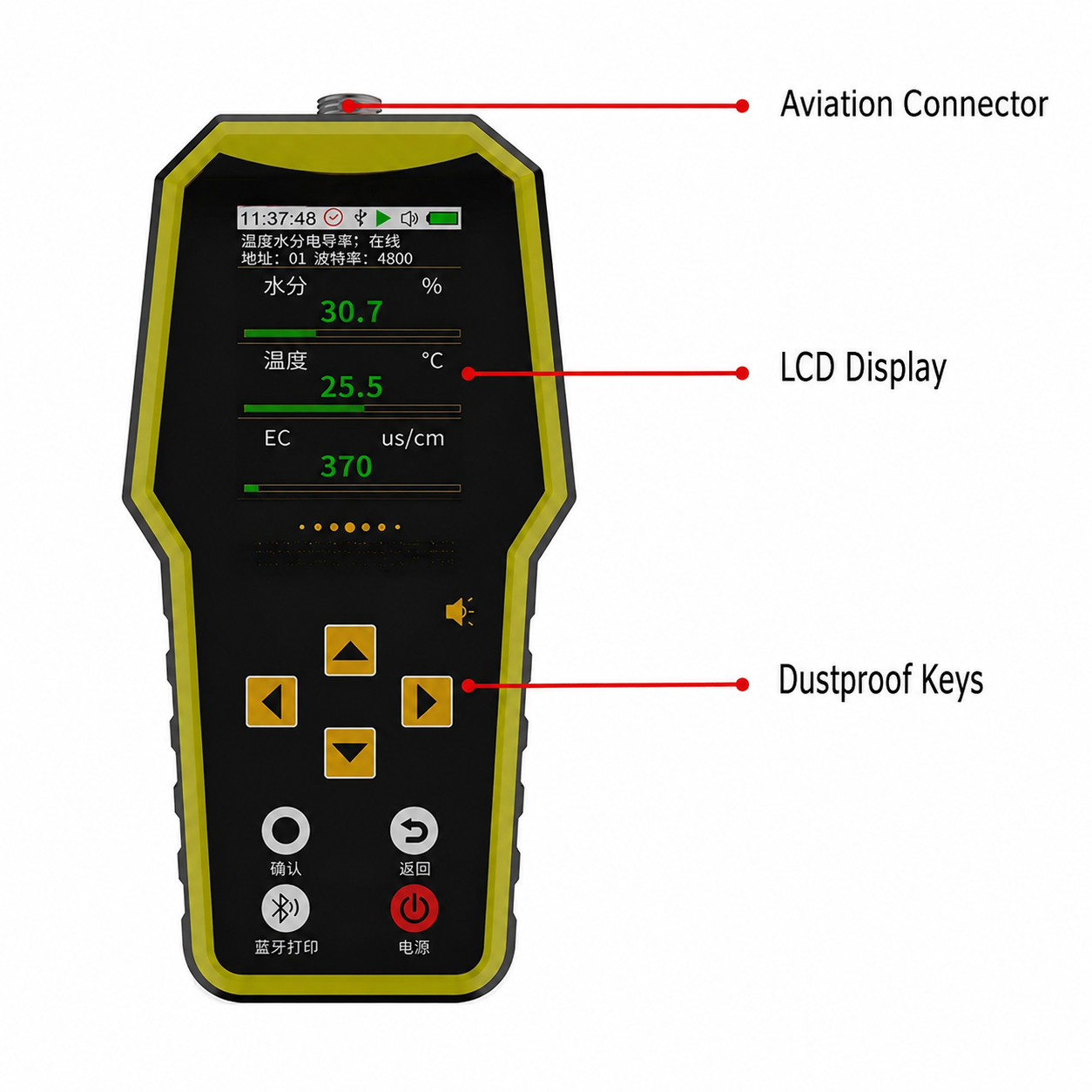


Standards:
Applications:
The tester is widely used in dryland water-saving irrigation, precision agriculture, forestry, geological exploration, plant cultivation, water conservancy, and other related fields.
Product Information:
 Portable Soil Electrical Conductivity Tester is a portable instrument designed for the rapid on-site measurement of soil electrical conductivity (EC). It is primarily used to assess the total salt content, fertility status, and moisture conditions of soil, making it a commonly used tool in agriculture, horticulture, and environmental science.
Technical Parameters
|
Power Supply |
Battery-powered (5000mAh lithium battery); Type-C charging port, 5V DC |
|
Display |
2.8-inch LCD screen |
|
Data Storage |
1.000.000 records (100W data entries) |
|
Charging Time |
≤ 8 hours |
|
Operating Environment |
Temperature: -20°C to 60°C; Humidity: <95% RH, non-condensing |
|
Connectable Devices |
Supports 1–4 Modbus devices |
|
Communication Protocol |
Modbus-RTU protocol |
|
Operating Voltage |
DC 4.2V |
|
Standby Time |
≥ 8 hours continuous operation |
|
Dimensions |
174 × 88.5 × 35 mm |
|
Weight |
284 g |
Electrical Conductivity Parameters
|
Measurement Range |
0–20.000 µS/cm |
|
Resolution |
10 µS/cm |
|
Accuracy |
0–10.000 µS/cm: ±3% FS; 10.000–20.000 µS/cm: ±5% FS (Brown soil, 60% RH, 25°C) |
FAQ
1. What is a Portable Soil Electrical Conductivity Tester used for?
It is used to measure the electrical conductivity (EC) of soil, helping evaluate soil salinity and nutrient conditions for agricultural management.
2. Is the tester suitable for field use?
Yes. Its portable and lightweight design makes it ideal for on-site soil testing in farms, greenhouses, and research areas.
3. What parameters can it measure?
Depending on the model, it can measure soil electrical conductivity (EC) and may also support temperature compensation for improved accuracy.
4. Is the tester easy to operate?
Yes. Simply insert the probe into the soil and read the measurement results directly from the display within seconds.
5. Who can benefit from using this tester?
It is widely used by farmers, agronomists, greenhouse growers, soil researchers, and agricultural extension services for soil monitoring and irrigation management.
