




Search keywords:
product name, product type, model number,
test method, manufacturer, technique, application
-
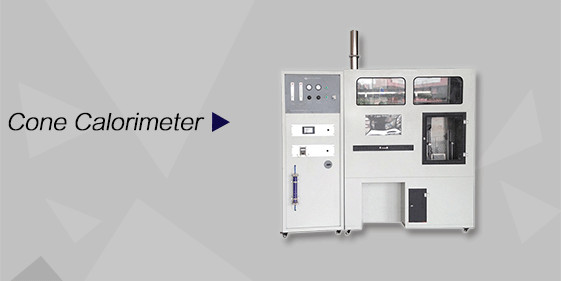
Cone Calorimeter
The import of American VTEC, cone calorimeter ultra high cost performance
more
-
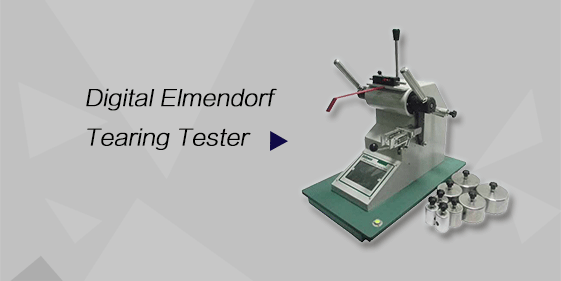
Digital Elmendorf Tearing Tester
Pendulum method test material tear strength, operating more simple, more accurate data
more
-
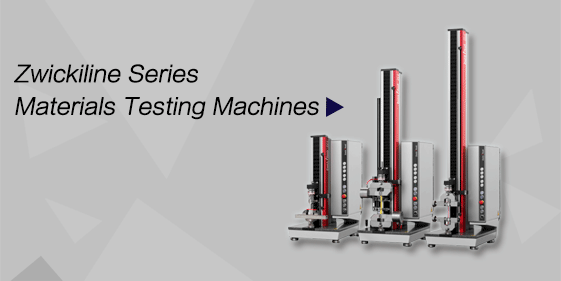
ZwickiLine Materials testing machines
Top of the world's leading universal material testing machine
more
Duct Leakage Tester
BACK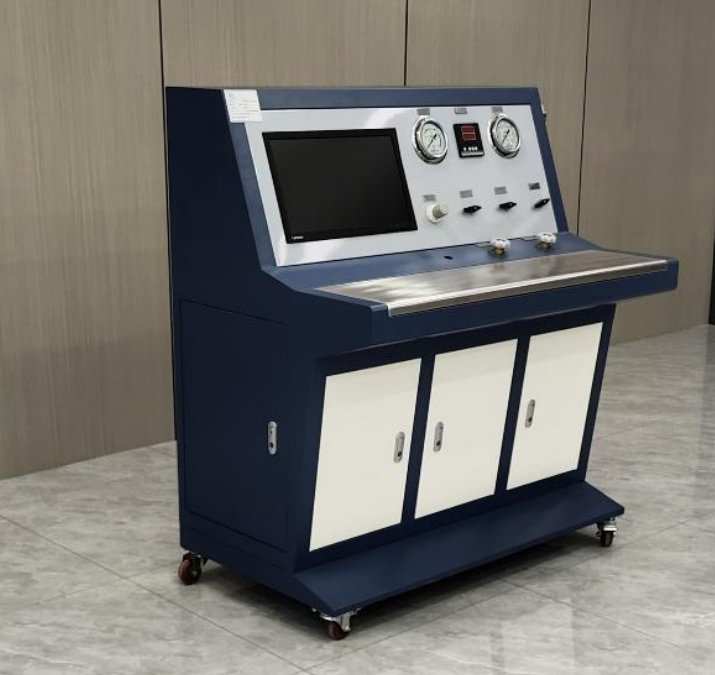


Standards:
Applications:
The Duct Leakage Tester is mainly used to evaluate the airtightness and air leakage of duct systems. It is widely applied in the fields of HVAC (Heating, Ventilation, and Air Conditioning) and building engineering.
Product Information:
A Duct Leakage Tester is a professional testing instrument used to evaluate the airtightness and air leakage rate of ventilation duct systems or air-conditioning ductwork.
Features
Capable of testing the airtightness of ducts under positive pressure conditions
Leakage performance evaluation in accordance with the following standards: EN 1507:2006. EN 12237:2002. Eurovent 2/2. DW/143. SMACNA Standard, GB 50243—2016. AABC
Wide airflow measurement range with dual measurement methods to ensure high accuracy
Test results can directly determine whether the duct airtightness meets qualification requirements
Real-time display of leakage rate, test pressure, temperature, and atmospheric pressure
Supports storage, browsing, and deletion of up to 1.000 data sets
19.5-inch display for simple and user-friendly operation
Simple structure with easy installation
 Parameters
|
Flow |
Range |
Matrix: 36–640 m³/h; Blower: 4–36 m³/h |
|
Accuracy |
Reading ±2.5% ±0.1 m³/h |
|
|
Resolution |
0.01 m³/h |
|
|
Static Pressure |
Range |
±2500 Pa |
|
Accuracy |
Reading ±1% ±1 Pa |
|
|
Resolution |
0.1 Pa |
|
|
Temperature |
Range |
0–60 °C |
|
Accuracy |
±0.5 °C |
|
|
Resolution |
0.1 °C |
|
|
Atmospheric Pressure |
Range |
70–130 kPa |
|
Accuracy |
Reading ±2% |
|
|
Resolution |
0.1 kPa |
|
|
Power Supply |
DALT 6900-0E |
100–120 V, Single Phase, 50/60 Hz, 10 A |
|
DALT 6900-1E |
200–240 V, Single Phase, 50/60 Hz, 10 A |
|
|
Weight |
Net weight: 72 kg |
|
|
Dimensions |
Approx. 540 × 500 × 1200 mm |
|
|
Storage Capacity |
1000 data sets |
|
FAQ
1. What is a Duct Leakage Tester used for?
The Duct Leakage Tester is used to measure the airtightness of HVAC duct systems by detecting and quantifying air leakage. It helps ensure that ventilation systems meet design and energy efficiency standards.
2. What types of duct systems can be tested?
It can be used for testing a wide range of ductwork, including:
HVAC ventilation ducts
Air conditioning duct systems
Industrial exhaust ducts
Cleanroom air distribution systems
3. Which standards does the equipment comply with?
The tester is typically designed to meet international standards such as:
EN 12237
SMACNA duct leakage standards
ISO-related HVAC testing requirements (depending on configuration)
4. How does the duct leakage test work?
The system pressurizes or depressurizes the duct and measures airflow loss. Based on pressure difference and airflow data, the leakage rate is calculated to determine duct sealing performance.
5. Why is duct leakage testing important?
Duct leakage testing helps:
Improve HVAC energy efficiency
Reduce air conditioning loss
Ensure indoor air quality
Meet building certification requirements
