




Search keywords:
product name, product type, model number,
test method, manufacturer, technique, application
-
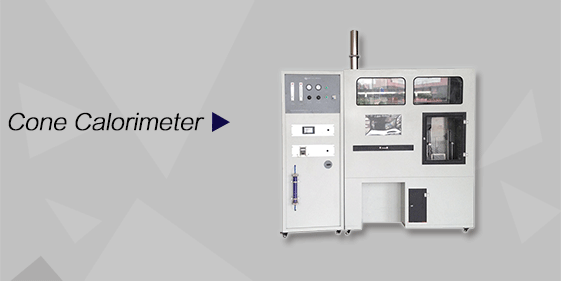
Cone Calorimeter
The import of American VTEC, cone calorimeter ultra high cost performance
more
-
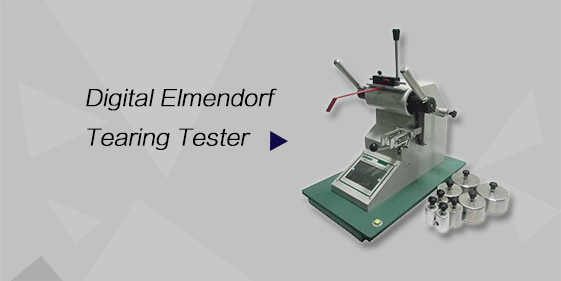
Digital Elmendorf Tearing Tester
Pendulum method test material tear strength, operating more simple, more accurate data
more
-
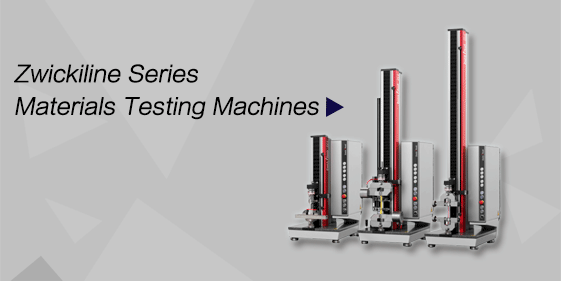
ZwickiLine Materials testing machines
Top of the world's leading universal material testing machine
more
Geotextile Opening Size Tester (Dry Sieving)
BACK


Standards:
ASTM 4751,GB/T 14799,JTG E50,T1144 SL/T 23,ISO 8124-1,ISO 8124-4
Applications:
Geotextile Opening Size Tester (Dry Sieving), to determine the apparent opening size (AOS) of a geotextile by sieving glass beads pass through a geotextile sample.
A geotextile specimen is placed in a sieve frame, and sized glass beads are placed on the geotextile surface. The geotextile and frame are shaken laterally so that the jarring motion will induce the beads to pass through the test specimen. The procedure is repeated on the same specimen with various size glass beads until its apparent opening size has been determined.
Product Information:
Geotextile Opening Size Tester (Dry Sieving) is a professional testing instrument used to determine the apparent opening size (AOS) of geotextiles. The instrument adopts the dry sieving method to evaluate the passage of standard particles or glass beads through the geotextile specimen, thereby determining the pore size characteristics and filtration performance of the material.
Features:
Panasonic (Japan) servo motor and driving system
Heavy-duty base ensures stable and quiet test
Schneider (Germany) electric components and parts
Frequency adjustor offers a wide range of test speed
Includes 3 sets of stainless sieving, 10 bags of standard bead.
3 specimens can be tested simultaneously.
Specifications:
| Item | details |
|---|---|
| sieve diameter | 200 mm |
| amplitude | 10 ± 2 mm |
| lateral vibration frequency | 220 times/min |
| vertical vibration frequency | 150 times/min |
| radius of gyration | 12 ± 1 mm |
| preset time | 0 ~ 60 min |
| dimensions (width × depth × height) | 600 × 560 × 1030 mm |
| power | 380 V, 50 Hz, 1000 W |
| weight | 210 kg |
FAQ:
1. What is a Geotextile Opening Size Tester used for?
It is used to determine the apparent opening size (AOS) of geotextiles by dry sieving method.
2. What materials can be tested?
It is suitable for testing woven and nonwoven geotextiles, geosynthetics, and filtration materials.
3. Which standards can it comply with?
It can comply with standards such as ASTM D4751. ISO 12956. and other related geotextile testing standards.
4. What test results can be obtained?
The tester can measure the equivalent opening size and filtration performance of geotextile materials.
5. How does the dry sieving method work?
Standard glass beads or particles are placed on the specimen and sieved to determine the size of openings that allow particles to pass through.
