




Search keywords:
product name, product type, model number,
test method, manufacturer, technique, application
-
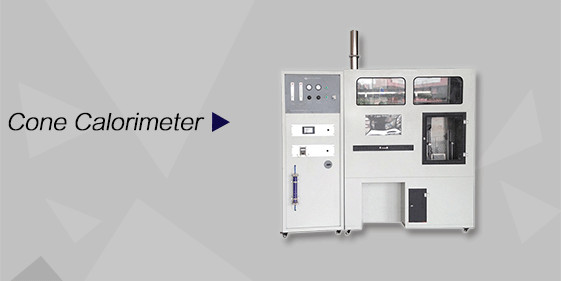
Cone Calorimeter
The import of American VTEC, cone calorimeter ultra high cost performance
more
-
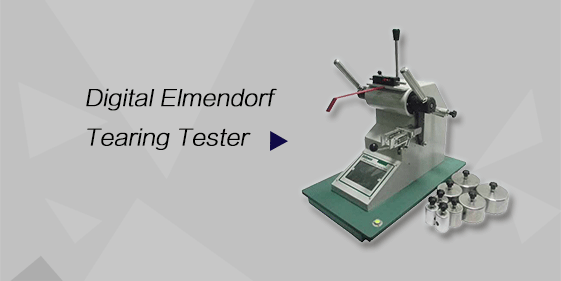
Digital Elmendorf Tearing Tester
Pendulum method test material tear strength, operating more simple, more accurate data
more
-

ZwickiLine Materials testing machines
Top of the world's leading universal material testing machine
more
Mask Synthetic Blood Penetration Tester
BACK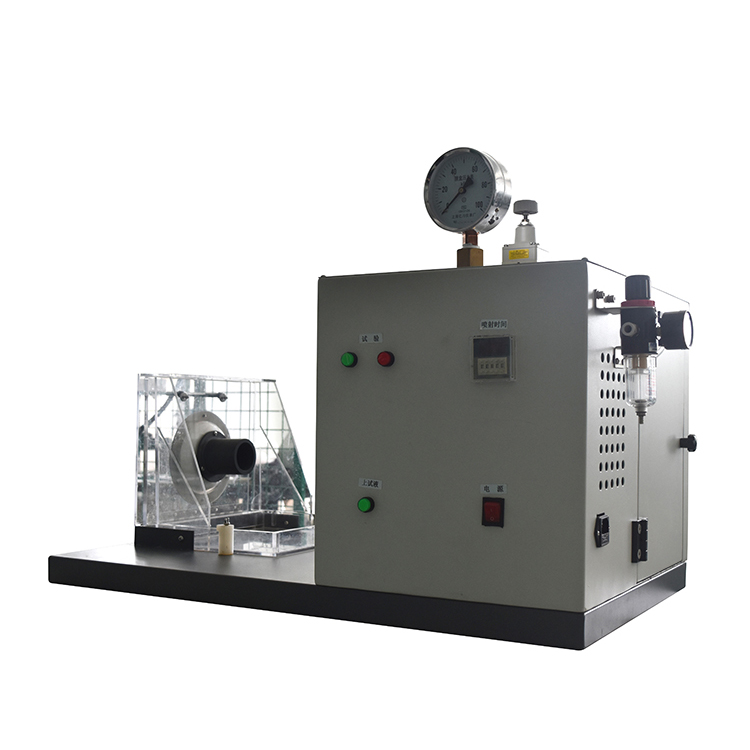


Standards:
Applications:
The Mask Synthetic Blood Penetration Tester is suitable for testing anti-synthetic blood penetration across the following industries and products:
(1) Medical and Healthcare Industry: surgical masks, medical face masks, N95/FFP masks, disposable medical masks
(2) Protective Clothing Industry: coated protective fabrics, medical gowns, isolation garments
(3) Textile Coatings and Laminates: coated textiles, laminated nonwovens, hydrophobic fabric materials
(4) Research and Development: material performance testing, development of new barrier fabrics, laboratory evaluation
(5) Quality Control: production batch verification, inspection of mask and fabric protective performance
(6) Third-Party Testing Laboratories: certification testing, standard compliance verification of medical masks and protective fabrics
The instrument is widely used for medical product verification, R&D, quality control, and third-party testing.
Product Information:
Medical masks synthetic blood penetration tester is used to determine the resistance of medical protective masks to penetration by synthetic blood at different test pressures,and can also be used to determine the resistance to blood penetration of other coating materials.
Standards:
GB 19083-2010Technical requirements of medical face masks - Anti-penetration property of 5.5 synthetic blood.
YY/T 0691-2008Clothing for protection against infectious agents-Medical face masks - Test method for resistance against penetration by synthetic blood (fixed volume, horizontally projected)
YY 0469-2011Technical requirements of medical face masks– Blood penetration test apparatus.
ISO 22609:2004Clothing for protection against infectious agents - Medical face masks - Test method for resistance against penetration by synthetic blood (fixed volume, horizontally projected)
ASTM F1862-07Standard Test Method for Resistance of Medical Face Masks to Penetration by Synthetic Blood (Horizontal Projection of Fixed Volume at a Know Velocity)
Parameters:
| Items | Parameters |
| Injection distance | 300mm~305mm, adjustable |
| Nozzle diameter | 0.84mm |
| Jet velocity | 450cm/s,550cm/s,635cm/s |
Features:
(1) Measures resistance of medical masks and coated materials to synthetic blood penetration
(2) Adjustable injection distance and controlled jet velocity for precise testing
(3) Supports multiple standard test protocols (GB, YY/T, ISO, ASTM)
(4) Quantitative and reproducible test results for laboratory verification
(5) Suitable for R&D, quality control, and certification testing
Accessories:
Main test unit
Nozzle assembly
Sample holder
Digital timer / flow control display
Power cable
Operation manual
Calibration certificate
Test Procedures:
(1) Prepare the specimen (mask or coated material) according to the applicable standard
(2) Install the specimen in the holder ensuring proper alignment and sealing
(3) Adjust injection distance and select jet velocity according to the test protocol
(4) Start the test and release synthetic blood at the controlled velocity
(5) Observe penetration on the specimen and record results
(6) Repeat test if multiple velocities or pressure conditions are required
(7) Clean nozzle and sample holder after testing
FAQ:
1. What is this product?
The Mask Synthetic Blood Penetration Tester evaluates the resistance of medical masks and coated fabrics to synthetic blood penetration, simulating exposure to liquids under controlled laboratory conditions. It quantifies liquid barrier performance for reliable assessment.
2. What is it used for?
It is used to test surgical masks, N95/FFP masks, disposable medical masks, protective gowns, and coated or laminated fabrics. It provides objective data for R&D, quality control, production verification, and third-party certification.
3. How does it work?
The sample is secured in a holder and exposed to a controlled synthetic blood jet at specified velocity and distance. Adjustable injection parameters allow testing according to GB, YY/T, ISO, or ASTM protocols. Observed penetration is recorded and compared against standard limits.
4. Why is it important?
Medical masks and protective fabrics must prevent fluid penetration to ensure wearer safety. This tester provides precise, reproducible data for evaluating barrier performance, supporting regulatory compliance and product development.
