Search keywords:
product name, product type, model number,
test method, manufacturer, technique, application
-
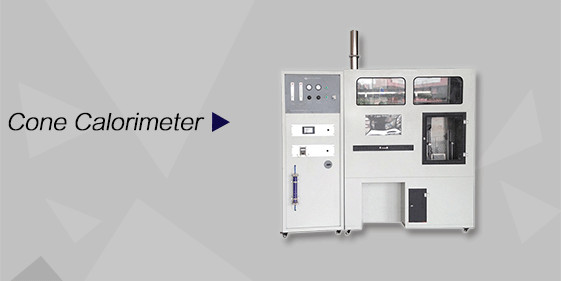
Cone Calorimeter
The import of American VTEC, cone calorimeter ultra high cost performance
more
-
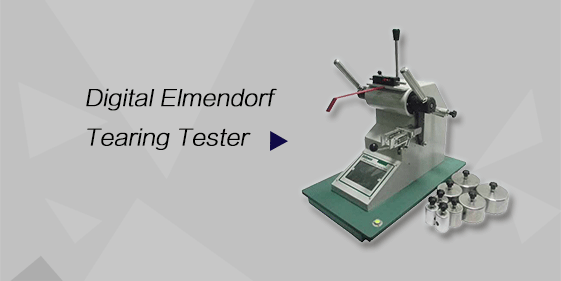
Digital Elmendorf Tearing Tester
Pendulum method test material tear strength, operating more simple, more accurate data
more
-
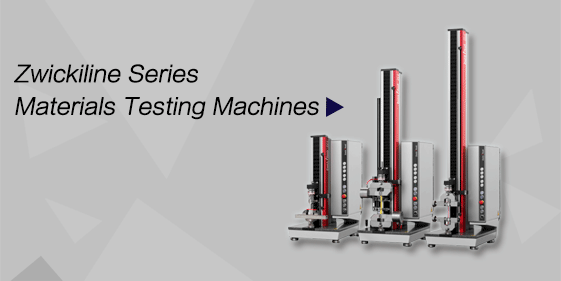
ZwickiLine Materials testing machines
Top of the world's leading universal material testing machine
more
Respirator Fit Tester
BACK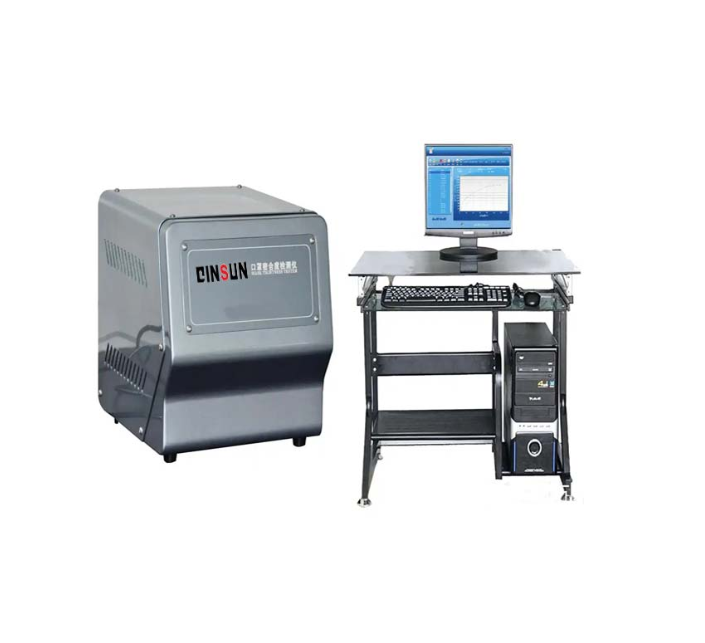


Standards:
ISO 16975-3:2017 – Respiratory Protective Devices — Selection, Use, and Maintenance — Part 3: Fit Testing Procedures
Applications:
Product Information:
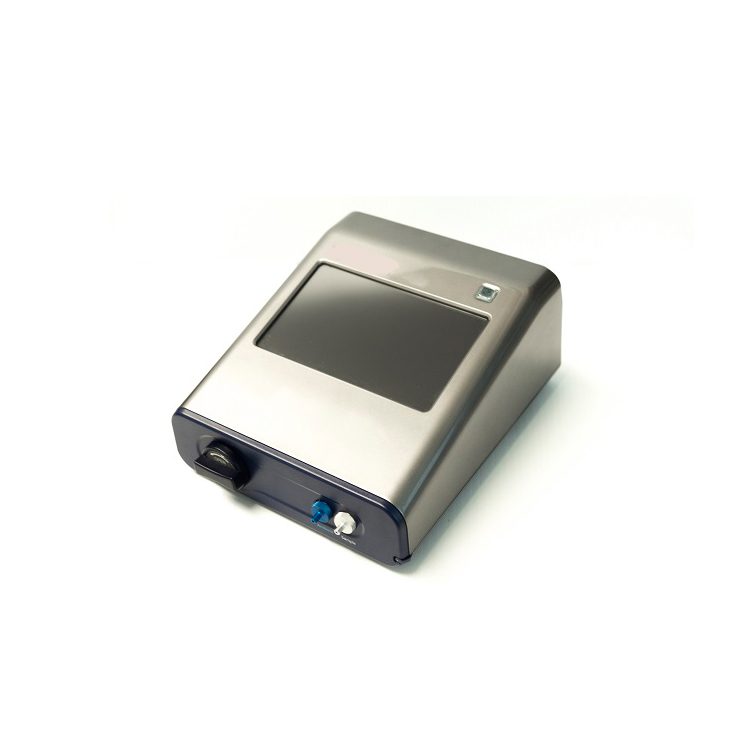
The Protective Mask Leak Tester is a portable device designed to detect the service performance and applicability of protective masks, and provide leaks and service performance testing for specified nuclear, biological and chemical defense (NBCD) / chemical, biological and radiation defense (CBR-D) masks and components without the need for the operator to wear a mask. PMLT can be set for timing by minutes, fully integrated in a rigid transportable box. Through a universal clamping assembly, inflated mask seals and fixture adapters, the PMLT Protective Mask Leak Tester can virtually measure any type of gas masks in the world. Lightweight plastic heads are available in 2 sizes and are easily interchangeable with different sizes of masks. PMLT protective mask leak tester utilizes advanced transistor circuit and menu-driven touch pad to provide alphanumeric display.
Applications:
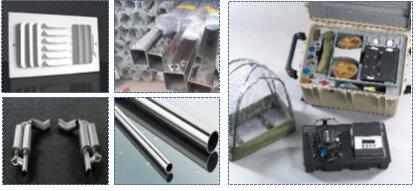
Overall Mask Leakage Test : Mask leakage is measured while the mask is challenged with an aerosol, with or without a plugged filter canister attached.
Leakage Isolation Test: Leaks normally invisible to the naked eye are easily isolated so that repair/replacement decisions can be made.
Wind exhaust Valve Test: In the wind exhaust valve test, suspended particles as a function in the mask test and isolation detect the airflow leakage under strictly controlled conditions.
Drink Tube Flow Test: Tube blockage can be measured.
Drink Tube Valve Leakage Test: The drink tube valve is tested for leakage under controlled pressure.
Benefits and Features:
Ease of Use
Self-Diagnostics
Portability
Data Management
Menu-Driven
Interchangeable Heads
Universal Clamping
Controlled Aerosol vs. Ambient Air
Universal Power Supply
Custom Software
Leak Isolation
Visual/Audible Alarms
Rugged Shippable Case
Low Maintenance
Technical Parameters:
| Items | Parameters |
| Size | 32” (L) x 22.5” (W) x 20” (H) while packed |
| Weight | ~90 lbs/41 kg packed, ~60 total unpacked |
| Power Supply | 100 to 250 Volts AC, 50/60 Hz |
| Aerosol Reagent | Poly-dispersed oil (PAO-4) |
| Aerosol Detection | Near-forward light scattering photometer |
| Detection Range | 0.0005 to 100% |
| Fit Factor Limit | 200.000 |
| Data Output | RS-232 serial port |
| Patents | 6.435.009 / 6.848297 / 7.140.234 / 7.343.783 |
FAQ:
1. What is this product?
The Respirator Fit Tester evaluates the fit and seal of protective respirators on a wearer’s face. It detects potential leakage points to ensure that the respirator provides the intended protection against airborne particles, gases, or aerosols.
2. What is it used for?
It is used to verify the proper fit of N95/FFP respirators, full-face masks, and other tight-fitting protective equipment. Ensures compliance with occupational safety standards and confirms that individual users receive adequate respiratory protection.
3. How does it work?
The device measures inward leakage using particle counting or controlled test aerosols. The wearer performs a series of exercises while the tester continuously monitors air inside the mask. The system calculates a fit factor, indicating the mask’s sealing efficiency and identifying improper fit or facial seal issues.
4. Why is it important?
A poor-fitting respirator compromises protection, increasing the risk of exposure to hazardous aerosols or contaminants. Fit testing is critical for occupational safety, regulatory compliance, and user confidence in high-risk environments.