Search keywords:
product name, product type, model number,
test method, manufacturer, technique, application
-
Cone Calorimeter
The import of American VTEC, cone calorimeter ultra high cost performance
more
-
Digital Elmendorf Tearing Tester
Pendulum method test material tear strength, operating more simple, more accurate data
more
-

ZwickiLine Materials testing machines
Top of the world's leading universal material testing machine
more
Dry microbial penetration resistance tester
BACK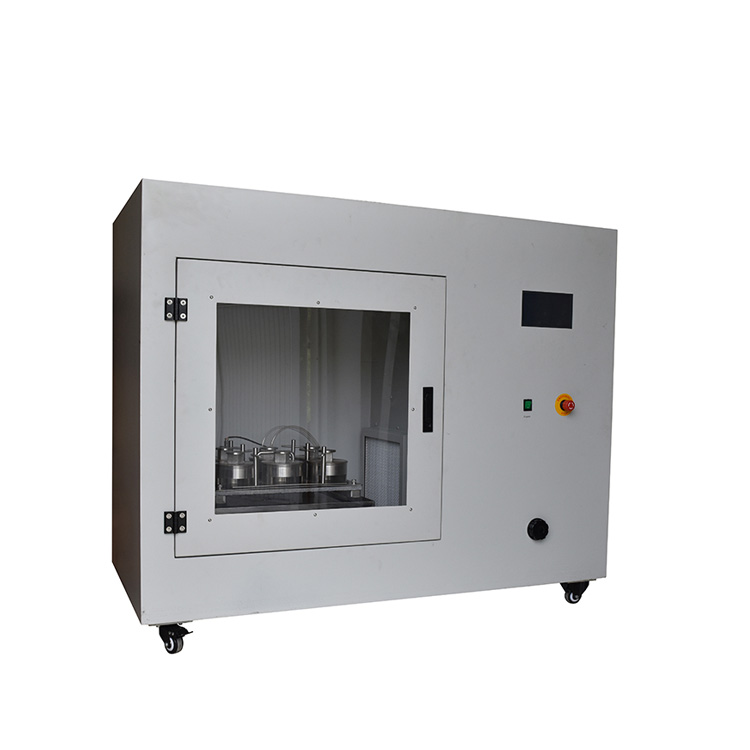


Standards:
ISO 22612; YY / T 0506.5-2009;
Applications:
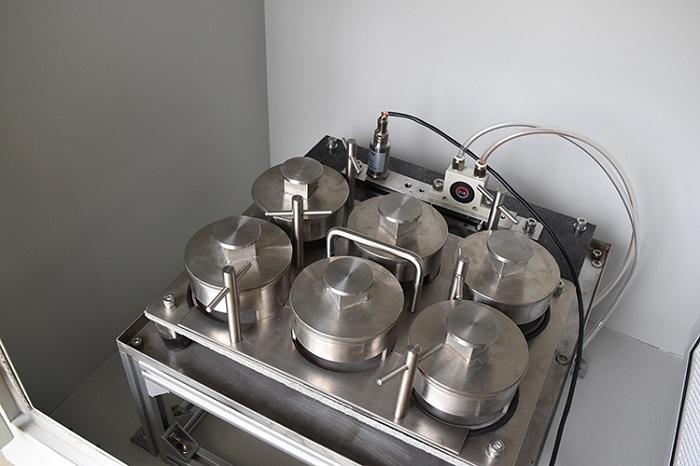
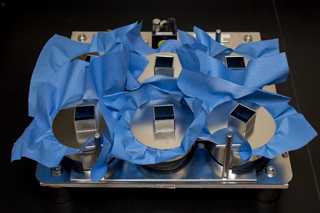
Dry microbial penetration resistance performance tester is professionaly used to determine the bacterial penetration resistance performance of materials to dry particulates in the size range of human body dandruff. Whenn testing, the samples were fixed on a container respectively. In these containers, five containers containing subtilisin talc, one container added with Not stained talcum powder was used as a control. A Petri dish was inserted at the bottom of each container at a distance from the bottom of the timer.
The equipment supporting the container is oscillated by a Gas ball oscillator, and all the talc penetrating the sample Falled on the culture dish , cultured without the culture vessel. The test results were evaluated by counting the growing colonies.
Product Information:
The Dry Microbial Penetration Resistance Tester assesses material resistance to dry bacteria-carrying particles (like human dandruff-sized). It tests protective gear (surgical gowns, etc.) per ISO 22612. part of EN 13795 and EN 14126 test suites. Compliance with EN 13795 aligns with EU Medical Device Directive 93/42/EEC, crucial for CE marking in Europe.
Standards:
ISO 22612: Clothing for protection against infectious agents - Test method for resistance to dry microbial penetration
YY / T 0506.5-2009: Surgical drapes, gowns and clean air suits for patients, clinical staff and equipment - Part 5: Test method for resistance to dry microbial penetration
Test principle:
When testing, the samples were seperately fixed on a container. In these containers, five containers carrying the bacillus subtilis and 1 container carrying uncontaminated talc powder used as control. Insert 1 petri dish at the bottom of each container and beneathe the bottom of the specimen.
The supporting vessel's equipment is oscillated by a gas ball type oscillator, and all of the talcum powder passing through the sample falls onto the petri dish. Remove the petri dish for culture. The experiment results were evaluated by counting the colonies.
Main parameters:
| Parameter Name | Parameter Value |
|---|---|
| Vibration form | pneumatic ball vibrator |
| Vibration frequency | 20800 times/min |
| Vibration force | 650N |
| Worktable size | 40cm × 40cm × 10mm |
| Workbench media | marble plate |
| Experimental container | stainless steel test container |
| Work stations | 6 |
| Cabinet negative pressure range | -50 Pa ~ -200 Pa |
| High efficiency filter filtration efficiency | better than 99.99% |
| Negative pressure cabinet ventilation flow | ≥ 5m³/min |
| Data storage capacity | 100.000 group |
| Working voltage | 220V 50HZ |
Features:
Reliable design, stable test;
Front switch glass doors, easy to observe the operation of the experimental staff;
Removable bracket, height adjustable bracket;
Support, mobile dual casters;
Negative pressure experimental system, with the fan exhaust system and the introduction of high efficiency filter to ensure the safety of operators;
Embedded high - speed industrial microcomputer control;
Dedicated operating software, with software parameters calibration, fault detection automatically
FAQ:
1. What is this product?
The Dry Microbial Penetration Resistance Tester evaluates the ability of protective materials, such as surgical gowns and cleanroom fabrics, to resist penetration by dry bacteria-carrying particles. It simulates microbial transmission via human skin flakes and provides quantitative assessment of material barrier performance in laboratory conditions.
2. What is it used for?
This instrument is used by medical and protective clothing manufacturers, research laboratories, and third-party certification bodies to assess the bacterial barrier performance of fabrics. It supports quality control, regulatory compliance (EN 13795. EN 14126), and R&D for high-performance protective garments.
3. How does it work?
Samples are fixed on stainless steel test containers containing talc powder inoculated with Bacillus subtilis, with a control container of uncontaminated talc. A pneumatic ball oscillator vibrates at 20.800 times/min, simulating the impact of skin-flake-sized microbial carriers on the material. Particles that penetrate the sample fall onto Petri dishes for incubation and colony counting. The microbial penetration rate is calculated by comparing experimental and control colony counts.
4. Why is it important?
Dry microbial penetration is a critical parameter for protective materials, particularly surgical gowns and cleanroom garments. Accurate testing ensures compliance with international standards and EU medical device regulations, verifying the material’s ability to protect against microbial contamination.