



Search keywords:
product name, product type, model number,
test method, manufacturer, technique, application
-
Cone Calorimeter
The import of American VTEC, cone calorimeter ultra high cost performance
more
-
Digital Elmendorf Tearing Tester
Pendulum method test material tear strength, operating more simple, more accurate data
more
-
ZwickiLine Materials testing machines
Top of the world's leading universal material testing machine
more
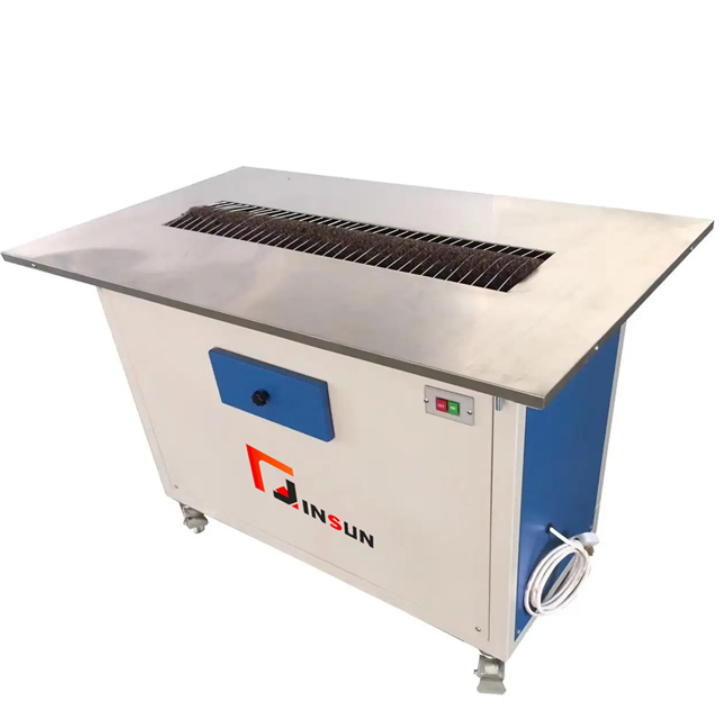
Brushing Machine/Brooming Machine
BACK

Standards:
Applications:
It is applicable to garment, hats, hosiery,neckerchief, accessories, towels etc.
Product Information:
The Brushing Machine / Brooming Machine is a textile finishing machine used to brush, clean, raise, or remove loose fibers and surface impurities from textile materials. It helps improve the fabric surface, handle, appearance, and overall finishing quality.
Function and features:
The machine adopts simultaneous running of centrifugal fan and machine brush roll,clean up residues stained with knitting,wool, artificial wool brushing garment so as tobrush up residues such as undercoat, flyings, knitting wool end etc.on the garmentrapidly and easily before packaging and delivery of your manufactured garments so as toexempt from traditional mode of viscose gluing by hand, largely reduce labor intensity andproduction cost, enable to guarantee appearance quality of your fashion products andupgrade quality and price of your apparel.
Main technical parameters:
| Item | Specification |
|---|---|
| Power Supply | AC 220/380 V, 50 Hz ±10% |
| Fan Motor | 0.55 kW |
| Brush Roll Motor | 0.55 kW |
| Speed Control | Adjustable Speed with Frequency Conversion Control |
| Working Table | 1150 × 700 mm |
| Adjustable Brush Roll | Up-and-Down Adjustable |
| Overall Dimensions (L × W × H) | 1150 × 700 × 850 mm |
| Weight | 80 kg |
FAQs:
1. What is a Brushing Machine used for?
It is used to brush and finish textile surfaces, remove loose fibers, and improve fabric appearance.
2. What is the difference between brushing and brooming?
Brushing mainly focuses on surface treatment and fiber arrangement, while brooming can emphasize removing loose fibers and impurities.
3. What types of materials can be processed?
It can be used for various textile fabrics and materials, depending on the machine configuration.
4. What are the main advantages?
It improves surface cleanliness, fabric appearance, handle, and production efficiency.
5. Is it suitable for continuous production?
Yes. It can be used in continuous textile finishing and production lines.