




Search keywords:
product name, product type, model number,
test method, manufacturer, technique, application
-
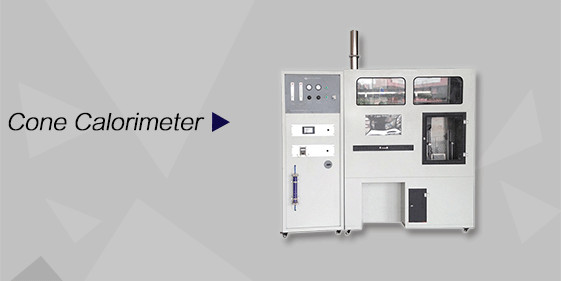
Cone Calorimeter
The import of American VTEC, cone calorimeter ultra high cost performance
more
-
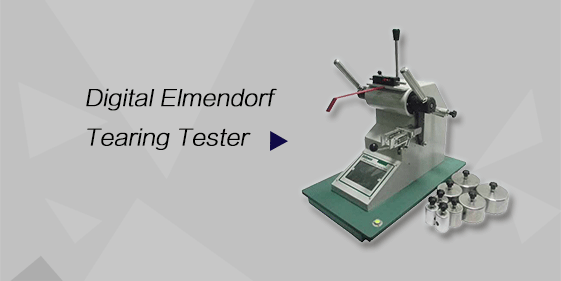
Digital Elmendorf Tearing Tester
Pendulum method test material tear strength, operating more simple, more accurate data
more
-
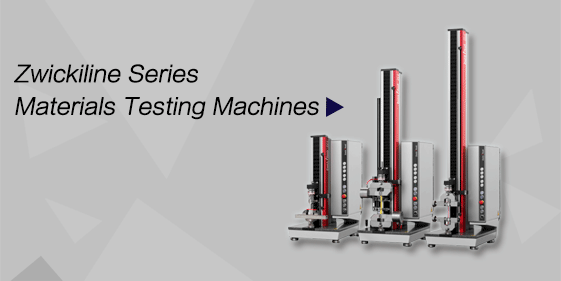
ZwickiLine Materials testing machines
Top of the world's leading universal material testing machine
more
Fabric Wrinkle Bending Tester
BACK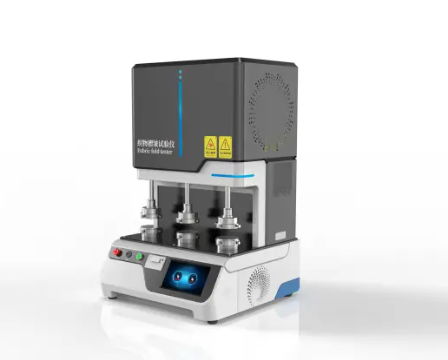


Standards:
The testing methods and results should comply with relevant national or international standards, such as GB/T 3819. ISO 2313. and AATCC 128
Applications:
This tester is widely used in:
Textile Production: Identifying and resolving wrinkle issues in seams, cutting, and sewing processes
Clothing Design: Helping designers understand fabric behavior under different conditions to create more consumer-friendly products
Quality Control: Providing critical data for textile enterprises to ensure product quality and compliance with standards
Product Information:
The Fabric Wrinkle Bending Tester is a specialized instrument used to assess the wrinkle recovery properties of various textile fabrics. It simulates the conditions that fabrics encounter during actual use, such as pressure and temperature, to evaluate their ability to form and recover from wrinkles
Working Principle:
The tester typically employs the vertical or horizontal crease recovery method. During the test, a fabric sample is placed on a testing platform and subjected to a specified pressure for a set duration. After the pressure is released, the instrument records the fabric's wrinkle recovery over time, assessing its wrinkle stability and recovery ability
Key Technical Parameters:
Sample Size: Generally 40mm x 15mm or other standard sizes
Pressure Load: Typically around 10N, adjustable as per the test standard
Recovery Angle Measurement Range: 0-360 degrees with a resolution of 1 degree
Test Time: Includes both immediate and delayed wrinkle recovery times, adjustable from 1s to 9999s
Parameters:
| Parameter | Specification |
|---|---|
| Sample Size | Standard: 40 × 15 mm (other sizes available) |
| Pressure Load | 10 N (adjustable per standard) |
| Recovery Angle Measurement | 0–360° with 1° resolution |
| Test Time | 1 s – 9999 s (includes immediate and delayed recovery) |
| Principle | Vertical or horizontal crease recovery method |
| Test Method | Sample is subjected to specified pressure; recovery angle recorded over time |
| Ambient Conditions | Room temperature 20–25°C, relative humidity 50–65% RH |
| Dimensions | Approx. 400 × 250 × 300 mm (L×W×H) |
| Weight | Approx. 25 kg |
| Power Supply | AC 220 V, 50 Hz, 50 W |
Test Procedures:
(1) Prepare the fabric sample according to the required dimensions and conditioning standards.
(2) Place the sample on the testing platform.
(3) Apply the specified pressure load using the instrument’s adjustable system.
(4) Hold for the designated duration as per the standard.
(5) Release the load and measure the fabric’s recovery angle immediately and over delayed intervals.
(6) Record results and analyze wrinkle recovery performance.
Maintenance Information:
Keep the testing platform and load weights clean and free of debris.
Periodically check calibration using standard reference fabrics or angle gauges.
Inspect moving parts for smooth operation; lubricate if necessary.
Store the instrument in a dry, dust-free environment.
Replace worn components promptly to maintain accuracy.
FAQ:
(1) What is this product?
It is a tester designed to evaluate the wrinkle recovery properties of textile fabrics.
(2) What is this product used for?
It measures how fabrics form and recover from wrinkles, ensuring quality and compliance with textile standards.
(3) How does this product work?
A fabric sample is pressed under a specified load, and the instrument records its recovery angle immediately and after a delay.
(4) Why is this product important?
It provides critical data for designing wrinkle-resistant fabrics and maintaining consistent textile quality.
(5) Which industries is this product suitable for?
Textile manufacturing, apparel design, quality control laboratories, R&D facilities, and educational institutions.
