




Search keywords:
product name, product type, model number,
test method, manufacturer, technique, application
-
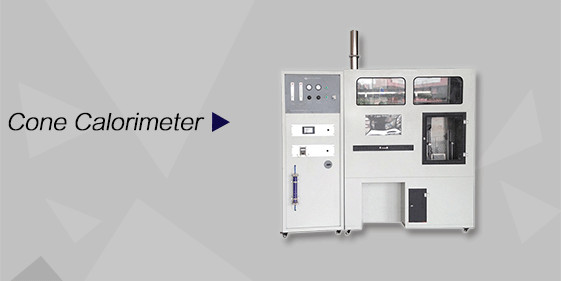
Cone Calorimeter
The import of American VTEC, cone calorimeter ultra high cost performance
more
-
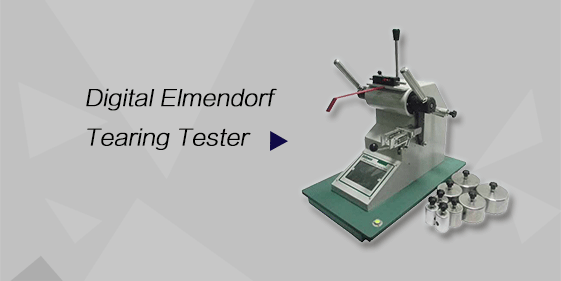
Digital Elmendorf Tearing Tester
Pendulum method test material tear strength, operating more simple, more accurate data
more
-
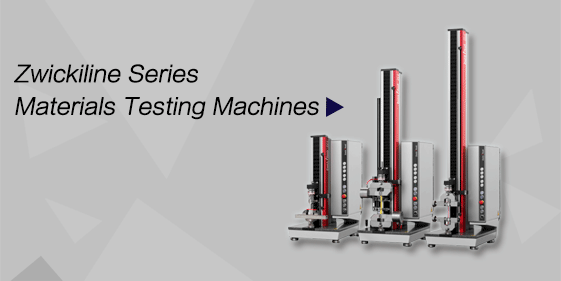
ZwickiLine Materials testing machines
Top of the world's leading universal material testing machine
more
Full-Body Garment Stress Tester
BACK

Standards:
FZ/T 70015-2022 :Test Methods and Evaluation of Pressure in Knitted Compression Garments
Applications:
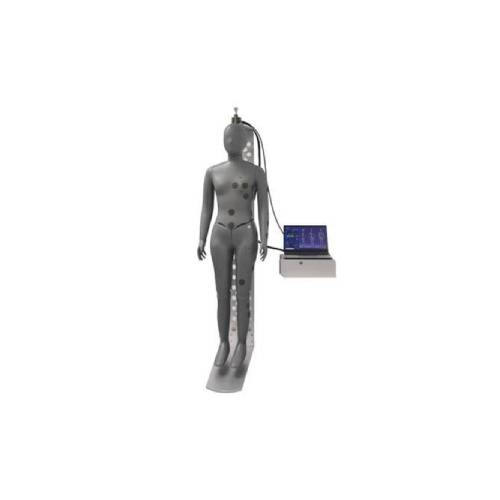
Full-Body Garment Stress Tester is used to evaluate the pressure exerted by various form-fitting garments or other wearable apparel on the human body. It quantifies the perceived pressure of clothing on the body into specific numerical data and enables assessment of test results. The manikin can perform both static and dynamic testing.
Dynamic postures meet the following requirements, considering the integrity of the form: the rear of the knees must not be left unprotected.
Product Information:
The Full-Body Garment Stress Tester is a precision instrument designed to quantify the pressure exerted by tight-fitting garments or wearable apparel on the human body. You can use it to convert the tactile perception of garment pressure into measurable data, enabling accurate evaluation of comfort, support, and functionality. The device supports both static and dynamic testing on a mannequin, providing comprehensive pressure mapping for design optimization and performance verification.
Features
1.Accurate measurement of garment pressure at multiple body locations with high-resolution sensors.
2.Supports both static and dynamic testing, simulating real-life movement and posture.
3.Pressure mapping allows objective evaluation of garment comfort and functionality.
4.Dynamic mannequin posture designed to maintain full body integrity, with clearance behind knees.
5.Enables design optimization for sports, medical, and fashion applications through data-driven analysis.
Parameters
| Item | Specifications |
|---|---|
| Pressure Mannequin | Average Asian female body type, height: 155 ~ 165 cm |
| Pressure Measurement Range | 0 ~ 90 mmHg |
| Test Accuracy | ≤0.1 mmHg |
| Resolution | ≤0.1 mmHg |
| Sensors | 26 independent sensors, each measuring a separate point. The sensor surface is flat and stable, with no mutual interference between measurement points. |
Accessories
1.Full-body mannequin (Asian female average build, height 155–165 cm)
2.26-point high-precision pressure sensor array
3.Data acquisition and analysis software
4.Adjustable fixtures for dynamic posture simulation
5.Calibration tools and reference pressure standards
Test Procedures
I. Equipment Preparation and Calibration
Parameter Verification: Ensure equipment complies with FZ/T70015-2022 standards. The pressure manikin uses the average Asian female physique (height 155–165 cm).
Sensor Inspection: All 26 sensors must have flat surfaces and stable configurations to ensure independent measurements without interference.
Range Calibration: Pressure measurement range 0–90 mmHg, test accuracy ≤0.1 mmHg, resolution ≤0.1 mmHg.
II. Test Procedure
1. Static Testing:
Place the garment over the pressure manikin and adjust to the standard posture (void space behind knees).
Activate the equipment, record pressure values at each point, and analyze pressure distribution uniformity.
2. Dynamic Testing:
Simulate movement postures (e.g., running, jumping) and observe pressure changes.
Focus on pressure values in high-activity areas (e.g., armpits, waist).
III. Data Interpretation and Optimization
1. Comfort Assessment:
Excessive pressure (>90 mmHg) may cause constriction, while insufficient pressure fails to provide adequate support.
Optimize pressure distribution by adjusting fabric elasticity or cutting techniques.
2. Function Verification:
Performance compression garments must deliver moderate pressure to key muscle groups (e.g., thighs, calves) to reduce muscle vibration.
Medical garments must ensure uniform pressure distribution to prevent blood circulation obstruction.
Conclusion
The Full-Body Garment Stress Tester provides a scientific and objective method for evaluating garment pressure and comfort performance. By converting subjective pressure perception into precise, quantifiable data, it supports accurate assessment of both static and dynamic wearing conditions. With high-resolution multi-point sensors and a dynamic mannequin that preserves full body integrity, the system enables detailed pressure mapping across critical body areas. It is especially valuable for the development and verification of sportswear, medical compression garments, and functional apparel, helping manufacturers optimize design, improve comfort, and ensure compliance with relevant industry standards.
FAQ
1. Can the device measure pressure on all types of tight-fitting garments?
Yes, you can measure compression sportswear, medical garments, shapewear, and other wearable apparel.
2. How accurate is the pressure measurement?
The device provides pressure measurement with an accuracy of ≤0.1 mmHg and a resolution of ≤0.1 mmHg.
3. How is dynamic testing performed?
You simulate motion such as running or jumping on the mannequin. The system records pressure changes at all 26 points, focusing on high-movement areas.
4. Can the data be used for garment optimization?
Yes, pressure maps allow you to evaluate comfort, adjust fabric elasticity, and modify garment cuts for optimal performance.
5. What maintenance is required for the sensors?
You should regularly inspect the sensors for surface flatness, ensure stability, prevent interference, and perform calibration using reference standards.
