




Search keywords:
product name, product type, model number,
test method, manufacturer, technique, application
-
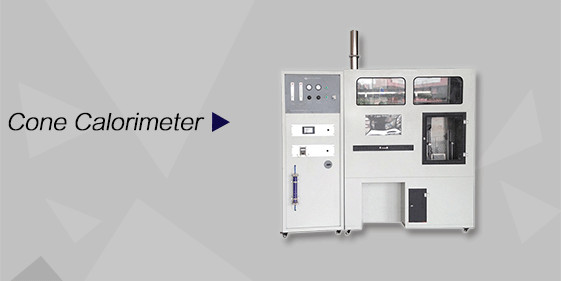
Cone Calorimeter
The import of American VTEC, cone calorimeter ultra high cost performance
more
-
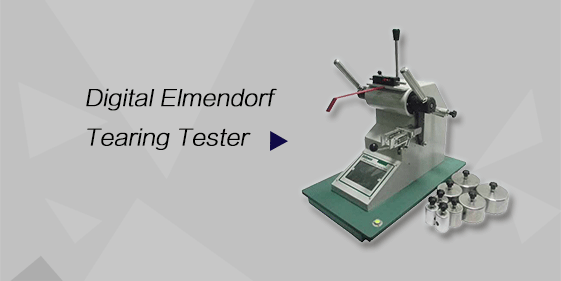
Digital Elmendorf Tearing Tester
Pendulum method test material tear strength, operating more simple, more accurate data
more
-
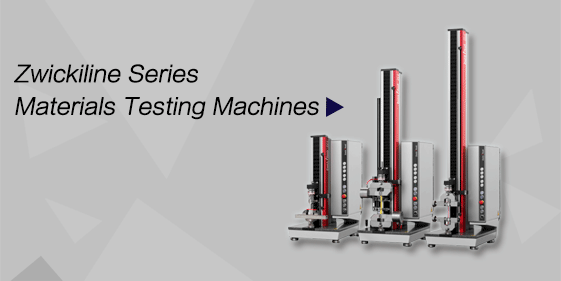
ZwickiLine Materials testing machines
Top of the world's leading universal material testing machine
more
Textile Drying Time Tester
BACK

Standards:
ISO 11092 – Textile evaporative resistance ASTM D737 – Air permeability and drying correlation AATCC 195 – Moisture management properties GB/T 12704-2019 – Chinese textile drying standard
Applications:
The tester is widely used for:
Quality control of sportswear and moisture-wicking fabrics.
Research and development of quick-dry textiles and performance garments.
Testing waterproof and water-repellent fabrics for drying efficiency.
Forensic textile analysis of fabric degradation due to moisture exposure.
Textile education and training on drying mechanism principles.
Product Information:
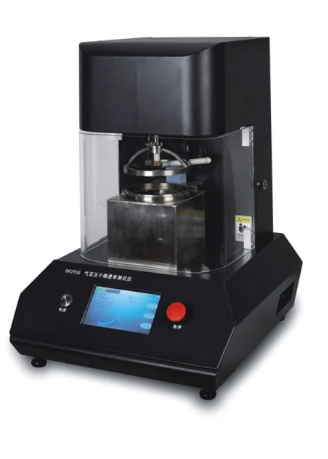
The Textile Drying Time Tester is a precision instrument designed to measure evaporation rate and drying time of textiles under controlled environmental conditions. It evaluates moisture absorption, drying efficiency, and fabric resilience, essential for quality assurance, R&D, and product development in textile manufacturing.
Type: Environmental testing chamber with humidity and temperature control
Features
(1) Multi-Test Modes: Static drying, dynamic drying simulating body movement, and rain simulation for waterproof fabrics.
(2) Advanced Monitoring: Real-time moisture mapping using thermal imaging; AI-based drying prediction model.
(3) Automation: Auto-reset system after each test; motorized humidity control; self-cleaning condensate drainage.
(4) Batch Analysis: Compare multiple samples, export data in Excel or PDF.
(5) User-Friendly Operation: Touchscreen interface, programmable test cycles, and automated reporting.
Technical Parameters
| Parameter | Specification |
|---|---|
| Temperature Range | 20°C–60°C (±0.5°C accuracy) |
| Humidity Control | 30%–90% RH (programmable) |
| Drying Mechanism | Airflow circulation (0.5–2.5 m/s) + infrared heating |
| Moisture Detection | Capacitive moisture sensor (±0.1% accuracy) |
| Sample Size | Up to 500×500 mm (adjustable clamping frame) |
| Power Supply | 220V/50Hz, 1.8 kW |
| Dimensions | 1200×800×1500 mm (L×W×H) |
Accessories
Adjustable clamping frame for specimens
Water spray module for rain simulation
Data acquisition software for drying curves
Thermal imaging camera (optional)
Test Procedures
Sample Preparation: Cut specimens to 100×100 mm.
Calibration: Validate system with reference samples.
Testing: Start the cycle with predefined temperature and humidity.
Analysis: Generate drying curve and moisture loss graph.
Cleaning: Auto-drain condensate reservoir after testing.
Maintenance Information
Avoid contact with heated surfaces during operation and maintenance.
Ensure power supply is properly grounded.
Keep at least 50 cm clearance from airflow vents.
Regularly check moisture sensor calibration and clean condensate drainage.
Inspect airflow fans and heating elements periodically to maintain uniform drying conditions.
Conclusion
The Textile Drying Time Tester provides a controlled and repeatable method for evaluating moisture evaporation and drying behavior of textile materials. By integrating precise temperature and humidity control with airflow and heating simulation, it delivers accurate drying curves and moisture loss data. Suitable for quality control, research, and performance textile development, the system supports objective comparison of drying efficiency across different fabrics. Its automated operation, flexible test modes, and comprehensive data analysis capabilities make it a valuable tool for optimizing quick-dry performance, improving product reliability, and advancing moisture management research in textiles.
FAQ
1. How does the "Dynamic Drying" mode simulate real-world usage?
In this mode, the clamping frame introduces subtle mechanical vibrations or movements. This simulates the way a garment moves against the skin during walking or running, which affects how air circulates around the fibers and accelerates evaporation compared to a static state.
2. Can I test heavy denim or multi-layer winter jackets?
Yes. The adjustable clamping frame can accommodate different thicknesses, and the infrared heating system is powerful enough to penetrate multi-layer assemblies to evaluate the internal drying rate.
3. What is the advantage of Thermal Imaging over standard sensors?
Standard sensors tell you "how much" moisture is left, but thermal imaging tells you "where" it is. This is crucial for performance textiles where you need to ensure that seams or double-layered pockets don't remain damp long after the main body of the fabric is dry.
4. Why is airflow speed adjustable?
Different standards require different wind speeds to simulate environments ranging from indoor gyms (low airflow) to outdoor cycling or hiking (high airflow). Adjusting this parameter allows you to tailor the test to your product's specific target market.
