




Search keywords:
product name, product type, model number,
test method, manufacturer, technique, application
-
Cone Calorimeter
The import of American VTEC, cone calorimeter ultra high cost performance
more
-
Digital Elmendorf Tearing Tester
Pendulum method test material tear strength, operating more simple, more accurate data
more
-
ZwickiLine Materials testing machines
Top of the world's leading universal material testing machine
more
Rotary Rubbing Color Fastness Tester (Crockmeter)
BACK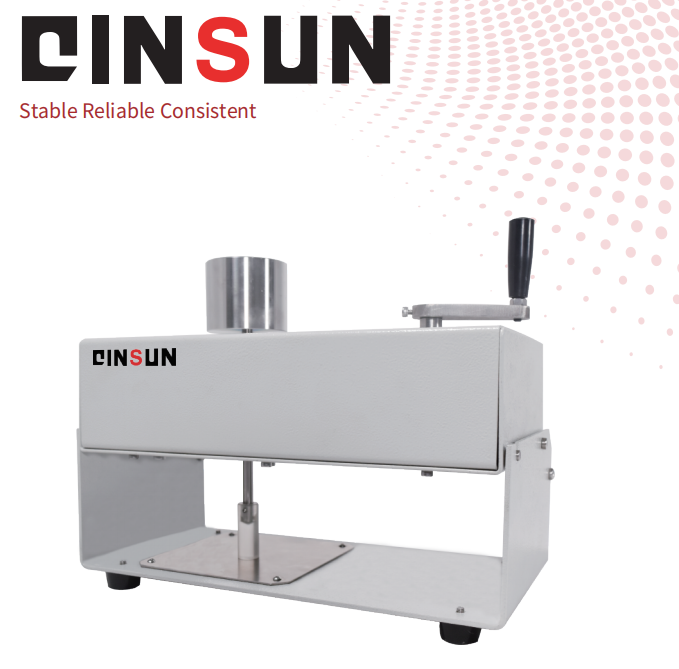


Standards:
Applications:
The tester is mainly used for printed fabrics and dyed textiles to determine resistance to color transfer caused by friction. Key applications include textile printing, garment manufacturing, quality control, and R&D in fabric finishing and dyeing.
Product Information:
The Rotary Rubbing Color Fastness Tester, also known as a Crockmeter, is widely used in the textile industry to evaluate the color fastness of fabrics under dry and wet rubbing conditions. It is particularly suitable for printed fabrics and provides precise, reproducible results according to international textile standards. The instrument simulates real-world abrasion to assess fabric performance during wear, laundering, or handling.
Standards
ISO 105-X12 (Textiles — Color fastness — Tests for color fastness to rubbing)
AATCC 8 (Colorfastness to Crocking)
Features
(1) High-precision friction head with 16mm diameter delivering 1143g pressure.
(2) Friction rotation sequence: 1.125 cycles clockwise followed by counterclockwise rotation for uniform testing.
(3) One-way rotation handle ensures consistent operation.
(4) Steel spring sample holder allows rapid specimen fastening and reproducible results.
(5) Designed to comply with AATCC and ISO standards for textile color fastness testing.
(6) Suitable for testing both dry and wet rubbing resistance.
Technical Specifications
| Parameter | Specification |
|---|---|
| Friction head diameter | 16 mm |
| Pressure | 1143 g |
| Rotation cycles | 1.125 clockwise, then counterclockwise |
| Sample holder | Steel spring, rapid fastening |
| Standards compliance | ISO 105-X12. AATCC 8 |
| Operating method | Manual handle one-way rotation |
Accessories and Consumables
(1) European standard white friction cloth
(2) American standard white friction cloth
(3) Calibration friction cloth
(4) Standard friction sandpaper
(5) Friction cloth clamp
Operation & Maintenance
(1) Install sample securely using the spring holder.
(2) Set friction head and pressure according to testing requirements.
(3) Apply dry or wet rubbing test following standard procedure.
(4) Observe fabric color transfer on the friction cloth.
(5) Replace or calibrate friction cloth regularly to maintain accuracy.
(6) Clean friction heads and clamps after each test.
(7) Inspect moving parts for wear and lubricate if necessary.
(8) Store the instrument in a stable, dry environment when not in use.
