




Search keywords:
product name, product type, model number,
test method, manufacturer, technique, application
-
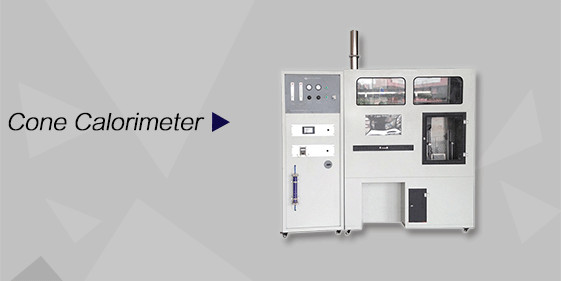
Cone Calorimeter
The import of American VTEC, cone calorimeter ultra high cost performance
more
-
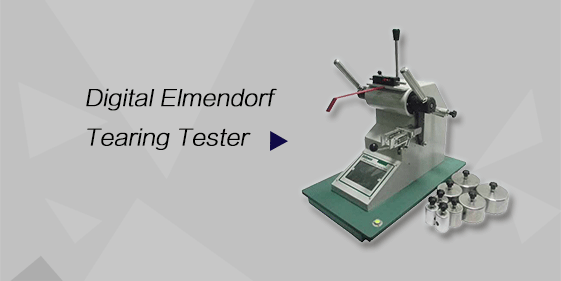
Digital Elmendorf Tearing Tester
Pendulum method test material tear strength, operating more simple, more accurate data
more
-
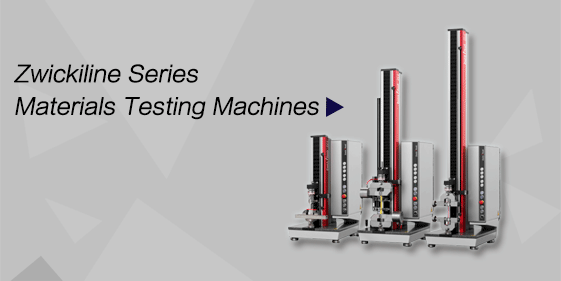
ZwickiLine Materials testing machines
Top of the world's leading universal material testing machine
more
Geomembrane Stress Crack Resistance Tester
BACK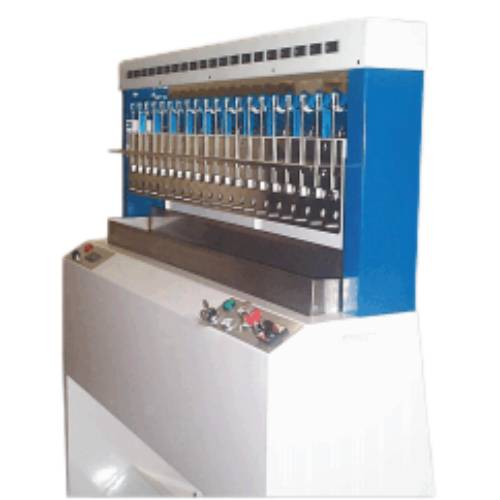


Standards:
Applications:
(1) HDPE geomembranes used in landfill liners and environmental protection systems
(2) Geosynthetic materials used in water conservancy and drainage engineering
(3) Anti-seepage liners in mining, chemical, and waste containment applications
(4) Quality control testing of geomembrane production
(5) Research and durability evaluation of polymer materials under stress cracking conditions
Product Information:
The Geomembrane Stress Crack Resistance Tester is designed to evaluate the environmental stress cracking resistance (ESCR) of high-density polyethylene (HDPE) geomembrane materials under accelerated conditions. This geomembrane stress crack resistance tester applies a constant load to notched specimens immersed in a controlled surfactant solution, allowing accurate determination of crack initiation and failure time.
Standards
(1) ASTM D5397-20 (Standard Test Method for Evaluation of Stress Crack Resistance of Polyolefin Geomembranes)
(2) EN 14576:2005 (Geosynthetics – Determination of resistance to environmental stress cracking)
Parameters
| Parameter | Specification |
|---|---|
| Test Method | Constant load stress cracking (notched specimen) |
| Number of Stations | 20 samples simultaneously |
| Bath Temperature | 50°C (controlled) |
| Temperature Control | Solid-state temperature controller |
| Loading Method | Lever system with weight container |
| Timing System | Individual digital timers |
| Bath Material | Stainless steel |
| Dimensions | 1600 × 1400 × 520 mm |
| Power Supply | AC 220–240V, 50 Hz |
| Power | 2.5 kW |
Features
(1) Simultaneous testing of up to 20 specimens to improve efficiency
(2) Stainless steel bath and fixtures for corrosion resistance
(3) Solid-state temperature control ensures stable test conditions
(4) Circulation pump maintains uniform bath temperature and concentration
(5) Low liquid level protection automatically stops heating and pumping
(6) Bath cover reduces evaporation during long-duration testing
(7) Movable weight container for consistent load application
(8) Individual digital timers for accurate recording of failure time
(9) Motor-driven bath lifting mechanism for convenient operation
Accessories
(1) Notching device for specimen preparation
(2) Weight containers with lead weights
(3) Specimen holding fixtures
(4) Operation manual
Test Procedures
(1) Prepare dumbbell-shaped specimens and introduce a notch using the notching device
(2) Mount the specimens onto the test positions
(3) Apply constant load through the lever and weight system
(4) Immerse the specimens in the surfactant solution bath at 50°C
(5) Start the individual timers for each specimen
(6) Monitor and record the time to crack initiation or failure
(7) Analyze the stress crack resistance based on recorded data
Maintenance Information
(1) Regularly clean the bath and remove any residue after testing
(2) Check the circulation pump and heating system for proper operation
(3) Inspect liquid level protection devices to ensure safety
(4) Verify the accuracy of timers and loading system periodically
(5) Maintain proper surfactant solution concentration and replace when necessary
Conclusion
The Geomembrane Stress Crack Resistance Tester provides a reliable and standardized method for evaluating the stress cracking performance of HDPE geomembranes. It is suitable for laboratory testing, quality control, and research applications requiring precise and repeatable results.
FAQ
(1) What is the Geomembrane Stress Crack Resistance Tester?
The Geomembrane Stress Crack Resistance Tester is a laboratory instrument used to evaluate the stress cracking resistance of geomembrane materials under controlled conditions.
(2) What is the Geomembrane Stress Crack Resistance Tester used for?
It is used to determine the durability of HDPE geomembranes by measuring their resistance to environmental stress cracking.
(3) What is the working principle of the Geomembrane Stress Crack Resistance Tester?
The instrument applies a constant load to notched specimens immersed in a heated surfactant solution and measures the time required for cracking or failure.
(4) Why is the Geomembrane Stress Crack Resistance Tester important?
It ensures the long-term performance and safety of geomembranes used in critical containment and environmental protection applications.
(5) What industries is the Geomembrane Stress Crack Resistance Tester suitable for?
It is suitable for geosynthetics manufacturing, construction engineering, environmental protection, mining, and testing laboratories.
