




Search keywords:
product name, product type, model number,
test method, manufacturer, technique, application
-
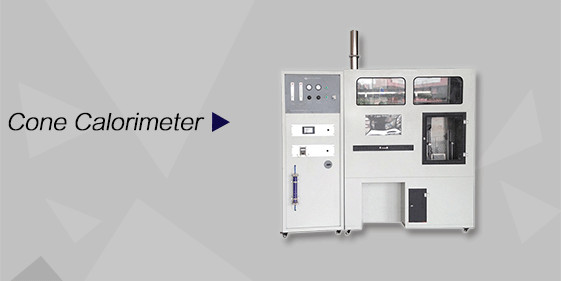
Cone Calorimeter
The import of American VTEC, cone calorimeter ultra high cost performance
more
-
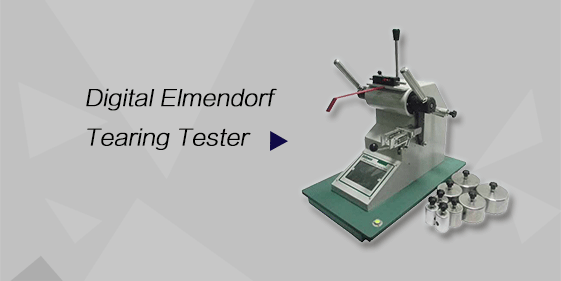
Digital Elmendorf Tearing Tester
Pendulum method test material tear strength, operating more simple, more accurate data
more
-
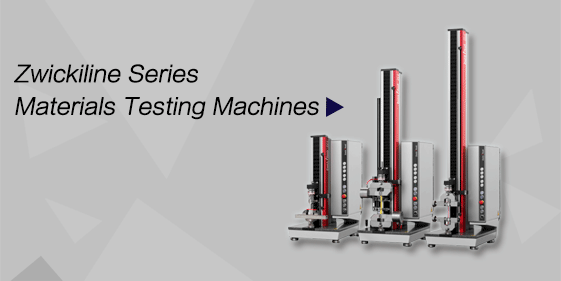
ZwickiLine Materials testing machines
Top of the world's leading universal material testing machine
more
Manual Rubbing Color Fastness Tester
BACK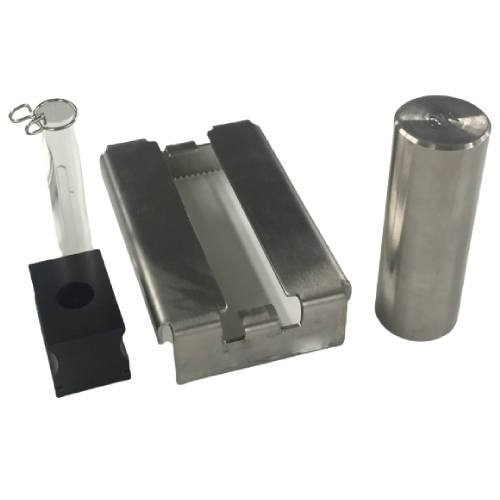


Standards:
Applications:
(1) Assessing color transfer on textiles, leather, and coated surfaces after friction
(2) Evaluating decorative panels, plastics, and automotive interior materials for surface color stability
(3) Portable testing in production lines, quality control labs, and on-site inspections
(4) Suitable for small areas, hidden sections, or assembled components without sample removal
(5) Compatible with AATCC and ISO standard test fabrics for accurate benchmarking
Product Information:
The Manual Rubbing Color Fastness Tester is a portable, handheld instrument designed to evaluate the color transfer of materials due to friction. It simulates standard rubbing conditions, including finger size, applied force (weight), and stroke length, and is suitable for a variety of materials such as textiles, plastics, and coated panels. Its unique design allows testing on bolts or concealed areas without cutting the sample.
Standards
(1) ISO 874 – Textiles – Rubbing Color Fastness Test
(2) AATCC Method 8 – Colorfastness to Crocking
(3) AATCC Method 165 – Rubbing Colorfastness for Leather
(4) JIS L 1084 – Textiles – Rubbing Fastness
(5) Ford BN 107-01 – Automotive Textile Color Transfer
(6) CFFA-7 – Canadian Fabric Fastness Standard
(7) ASTM D5053 – Standard Test Method for Colorfastness to Rubbing
(8) JIS L 0849 – Colorfastness to Rubbing
Parameters
| Feature | Specification |
|---|---|
| Product Weight | 1 kg (3 lbs) |
| Packaging Weight | 2 kg (5 lbs) |
| Dimensions | 127 × 83 × 178 mm (5" x 3.3" x 7") |
| Number of Stations | 1 |
| Material | Main body and weight made of stainless steel |
| Friction Finger | 15 mm acrylic (replaceable, custom friction heads available) |
| AATCC Test Fabric | 50 × 50 mm squares (conforms to AATCC 1) |
| ISO Test Fabric | 50 × 50 mm lace-pattern squares (conforms to ISO 874) |
| Stroke Control | Via bottom guide slot |
| Applied Load | Controlled by calibrated weights |
| Sample Positioning | Serrated edge for stable sample placement |
| Accessories | Tool kit including deionized water and test fabric pieces |
Features
(1) Lightweight and portable design for on-site or laboratory use
(2) Compatible with textiles, plastics, coated panels, and leather
(3) Allows testing of concealed or hard-to-reach areas without sample removal
(4) Calibrated weight system ensures consistent applied force
(5) Replaceable acrylic friction finger with anti-rotation design
(6) Sample positioning maintained by serrated edges for stability
(7) Includes a tool kit with test fabrics and deionized water
Accessories
(1) Tool kit with deionized water and sample fabrics
(2) Replaceable 15 mm acrylic friction fingers
(3) AATCC test fabrics (50 × 50 mm squares)
(4) ISO test fabrics (50 × 50 mm lace-pattern squares)
(5) Calibrated weights for force control
Maintenance Information
(1) Clean friction finger and device after each test
(2) Replace worn or damaged acrylic fingers as needed
(3) Ensure test fabrics are stored in a dry, dust-free environment
(4) Periodically verify weight calibration for accurate force application
(5) Check device stability and slot alignment before testing
Conclusion
The Manual Rubbing Color Fastness Tester provides precise, portable evaluation of color transfer for textiles, leather, and coated materials. Its ergonomic, handheld design allows testing in confined or concealed areas without cutting samples, ensuring reliable results for quality control and research.
FAQ
(1) What is the Manual Rubbing Color Fastness Tester?
It is a handheld instrument for assessing color transfer of materials under controlled friction conditions.
(2) What is it used for?
It evaluates the degree of color transfer from one surface to another after rubbing, helping verify material color stability.
(3) What is the working principle?
The tester applies a calibrated weight and friction stroke to simulate rubbing, transferring color from the sample to a test fabric for assessment.
(4) Why is it important?
It ensures material quality and color consistency, preventing color transfer issues in production or finished products.
(5) What industries is it suitable for?
Textiles, leather goods, automotive interiors, plastics, coatings, and quality control laboratories.
