




Search keywords:
product name, product type, model number,
test method, manufacturer, technique, application
-
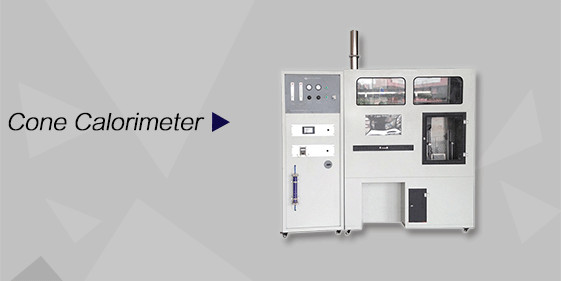
Cone Calorimeter
The import of American VTEC, cone calorimeter ultra high cost performance
more
-
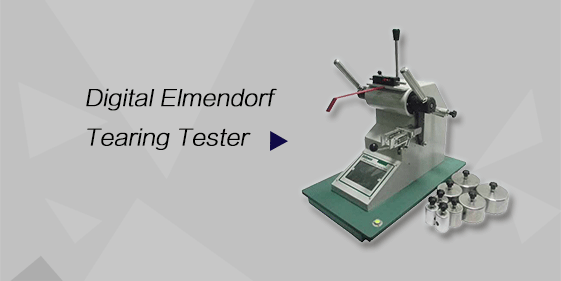
Digital Elmendorf Tearing Tester
Pendulum method test material tear strength, operating more simple, more accurate data
more
-
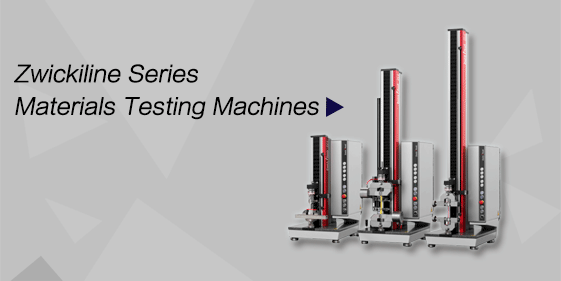
ZwickiLine Materials testing machines
Top of the world's leading universal material testing machine
more
Spray Rating Tester
BACK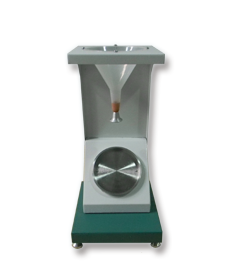


Standards:
ISO 4920, BS EN 24920, BS 3702, GB/T 4745, AATCC 22, M&S P23, NEXT 23
Applications:
Spray Rating Tester is used to determine the surface wetting resistance of fabrics.
Product Information:
The Spray Tester comprises a metal framework allowing distilled water to be sprayed through a nozzle onto a test specimen at 45° and 150mm below. The appearance of the specimen is compared against an optional photographic scale to rate.
Instrument features:
1. The instrument structure is simple, mainly by the main frame, funnel, nozzle, sample holder and sample holder;
2. Nozzle have a total of 19 aperture evenly distributed, the aperture required by the standard custom. 250ml of water poured into the funnel can flow out of the nozzle within 25-30s;
3. The racks on the upper edge of the racks are at a 45 ° angle to the horizontal;
4. The center of the upper edge of the sample holder ring, ie the distance from the center of the sample to the nozzle, is 150 mm.
Technical Parameters:
1. Structure: stainless steel;
2. Surface treatment: painting;
3. Dimensions: 230 × 250 × 500mm (length × width × height);
4. Weight: 5kg (11lb).
Attachment:
Nozzle and rubber hood;
water tray;
AATCC (22) Ratings Standard Chart Cards
FAQ
1.What is the main purpose of the spray test?
The spray test is used to evaluate the water repellency of the fabric surface, especially the resistance of water-repellent fabrics to surface wetting.
2. How are the water repellency grades classified?
The water repellency rating is usually classified into 1–5 grades (or 50–100 points). A rating of Grade 5 (100 points) represents the best performance, indicating that the fabric surface shows no wetting or water penetration marks.
3.What are the key testing procedures?
A specified amount of 250 mL distilled water is sprayed onto the clamped fabric specimen through a standard spray nozzle within the required time. After spraying, the wetting condition of the specimen surface is compared with standard rating charts to determine the water repellency grade.
4.Why must the temperature of distilled water be strictly controlled?
Water temperature affects water viscosity and penetration behavior. Therefore, testing standards usually specify a water temperature of 20 ± 2°C (or 27 ± 2°C) to ensure consistent and reliable test results.
5.What is the difference between the spray test and the hydrostatic pressure test?
The spray test simulates surface water exposure under rainfall conditions and evaluates the fabric’s water repellency or water-shedding performance. The hydrostatic pressure test simulates water penetration pressure and measures the fabric’s resistance to water pressure.
