




Search keywords:
product name, product type, model number,
test method, manufacturer, technique, application
-
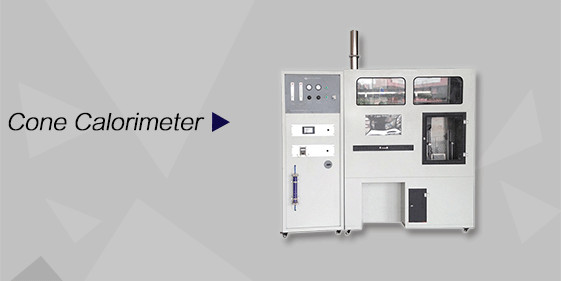
Cone Calorimeter
The import of American VTEC, cone calorimeter ultra high cost performance
more
-
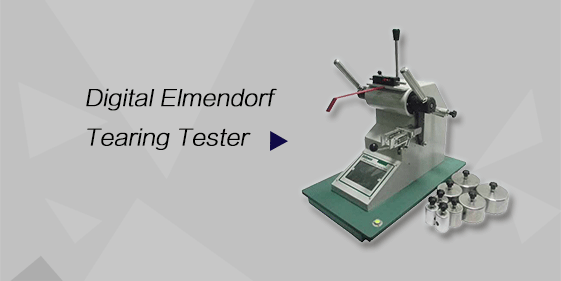
Digital Elmendorf Tearing Tester
Pendulum method test material tear strength, operating more simple, more accurate data
more
-
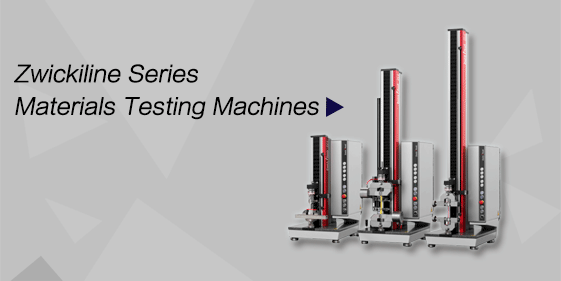
ZwickiLine Materials testing machines
Top of the world's leading universal material testing machine
more
Fabric thickness tester
BACK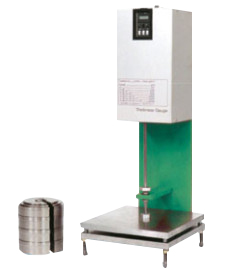


Standards:
ISO 1765: 1986, ISO 1766: 1999 (BS), BS 4051: 1987 (1996), BS 4098: 1975 (1996), BS 5808: 1991 (1996), Wools of New Zealand test method 142
Applications:
Fabric thickness tester mainly used to measure the thickness of the fabric, suitable for leather, rubber and textiles and other materials, the thickness of the measurement, to detect the standard situation.
Product Information:
Main features:
1. for the test carpet, lining, non-woven, geotextile to provide ISO and BS standard pressure
2. the instrument design to meet the needs of different test standards
3. can be directly associated with the optional software
4. a wide range of applications: carpet thickness, carpet and the backing of the compression and elastic recovery, non-woven fabrics, foam, geotextile, etc.
Special Instructions:
1. in the carpet test, in order to test the thickness and compression recovery, the instrument can provide a presser foot and a set of weights in order to provide 2-200 kpa pressure. In the non-woven testing, the need to provide a different specifications of the presser foot.
2. the test results displayed on the digital indicator, the indicator can automatically return to zero.
3. the standard thickness gauge can measure the thickness of 25 mm of the sample, which can provide a flexible solution for different applications. For samples with a thickness of more than 25 mm, other thickness gauges can be selected.
Main Annex:
Carpet detection: including presser foot, reference plate, bell and weight
Can produce 2.5.10.20.50.100.150 and 200 kPa pressure
Primer detection: Includes presser foot, reference plate, bell and weight
Can produce 2.5.10.20.50.100 kPa pressure
RS232 connection cable: Connect with PC
RS232 download software
Dimensions: W300 mm, D400 mm, H550 mm
FAQ:
What is its primary purpose?
It precisely measures the thickness of textiles and textile products, including woven, knitted, non-woven fabrics, and geotextiles, under a specified pressure .
What standards does it comply with?
It complies with ASTM D1777. ISO 5084. GB/T 3820. ISO 9073-2 (for nonwovens), and GB/T 24218.2 .
What are its key technical specifications?
Typical specs include a measuring range of 0–10 mm (optionally up to 25mm), an accuracy of 0.01 mm, interchangeable pressure feet (e.g., 10mm, 25mm, 50.5mm diameters), and adjustable pressure weights .
How does applied pressure affect the measurement?
Fabric thickness is inversely proportional to applied pressure; higher pressure compresses air gaps, making the fabric appear thinner. That's why the test pressure must always be specified .
What are the required testing conditions?
Samples must be conditioned at 21 ± 1°C with 65 ± 2% relative humidity for 4 hours before testing to ensure accurate and comparable results
