




Search keywords:
product name, product type, model number,
test method, manufacturer, technique, application
-
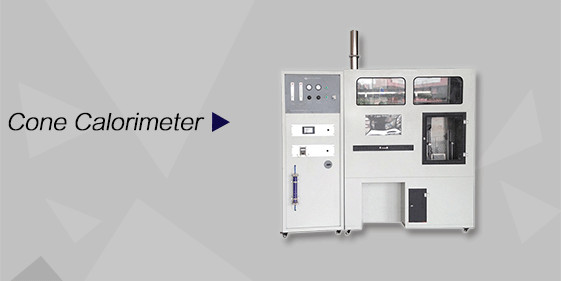
Cone Calorimeter
The import of American VTEC, cone calorimeter ultra high cost performance
more
-
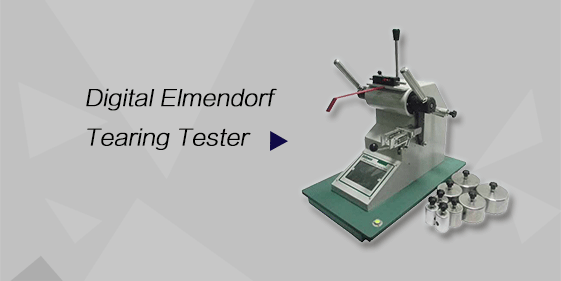
Digital Elmendorf Tearing Tester
Pendulum method test material tear strength, operating more simple, more accurate data
more
-
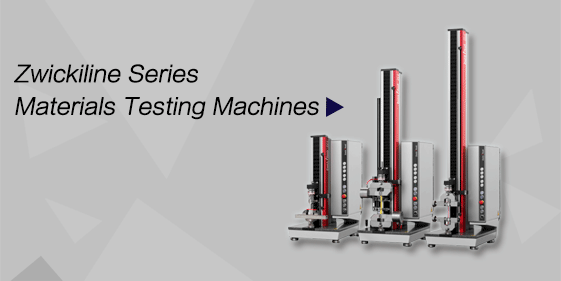
ZwickiLine Materials testing machines
Top of the world's leading universal material testing machine
more
Automotive Radiator Moisture Drying Tunnel Oven
BACK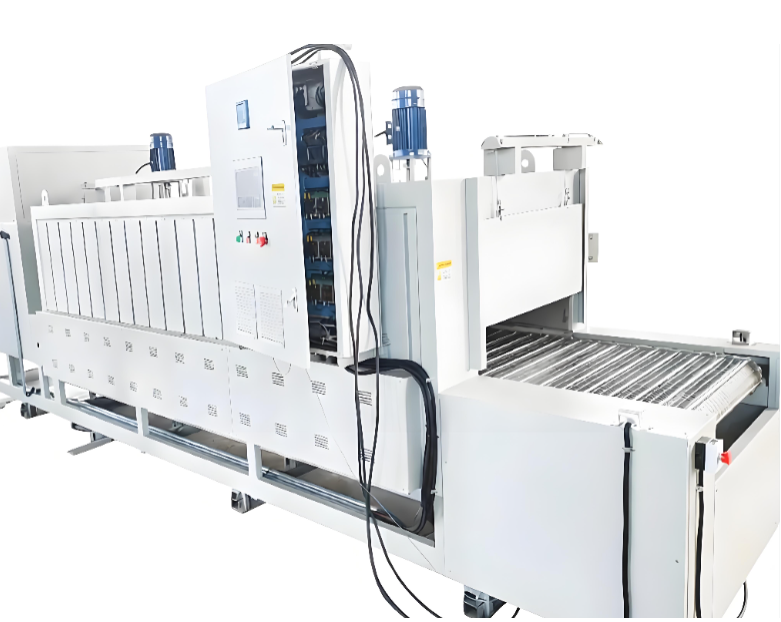


Standards:
Applications:
Product Information:
The Automotive Radiator Moisture Drying Tunnel Oven is a high-efficiency industrial heating system specially designed for the continuous evaporation and drying of residual moisture from automotive radiators, including radiators, condensers, intercoolers, and other heat exchanger components, after cleaning or brazing processes.By using continuous conveying and controlled heating technology, the equipment efficiently removes surface and internal moisture, improving product quality and production efficiency.
Application Fields
1. Pre-Brazing Drying Process
Used to remove residual moisture from radiator cores after:
Component assembly
Cleaning processes
to prevent defects such as pores or poor brazing quality caused by water vapor during brazing.
2. Drying After Finished Product Inspection
Used after air-tightness or water leakage testing to quickly remove surface moisture and prevent oxidation or corrosion of radiator components.
3. Pre-Coating Surface Treatment
Used for dehydration and drying before spraying processes to improve coating adhesion and ensure better surface treatment quality.
Applicable Standards
JB/T 10294
General Technical Conditions for Industrial Drying Ovens
Specifies general technical requirements for industrial drying furnace design and manufacturing.
GB 5226.1
Electrical Safety of Machinery — Electrical Equipment of Machines — Part 1: General Requirements
Regulates electrical safety requirements for industrial equipment.
GB 15630
Emission Standard of Air Pollutants for Industrial Furnaces and Kilns
Defines environmental protection requirements for industrial furnace exhaust emissions.
QC/T 468
Automotive Radiator Industry Manufacturing and Inspection Standards
Provides technical reference requirements for automotive radiator production and quality inspection.
Equipment Features
1. Continuous Production Operation
The equipment adopts:
Stainless steel mesh belt conveying
Chain conveyor systems
and can be directly integrated with automated production lines, providing high production efficiency and stable continuous operation.
2. Precise Temperature Control
The tunnel oven adopts:
Multi-zone independent temperature control
Hot air circulation heating technology
to achieve uniform temperature distribution throughout the furnace chamber and ensure consistent drying results.
3. Energy-Efficient Operation
The equipment uses:
High-density thermal insulation materials
Heat recovery systems for exhaust air
to reduce heat loss, improve thermal efficiency, and lower operating costs.
4. Powerful Dehumidification Performance
Equipped with a strong moisture exhaust system, the equipment can quickly remove humid air generated during the drying process, accelerating water evaporation and improving drying efficiency.
FAQ
Q1: What heating methods are commonly used in this tunnel oven?
A:The equipment usually adopts:
Electric heating (infrared heating or electric heating tubes)
Gas heating (natural gas or LPG)
The heated air is circulated through high-pressure fans to form forced convection, allowing moisture inside complex radiator fins and structures to evaporate quickly.
Q2: What is the typical drying temperature setting?
A:Depending on the process stage, the drying temperature is generally set between 100°C and 180°C.
Pre-brazing drying: Usually uses a relatively higher temperature to ensure complete moisture removal.
Post-water-testing drying: Usually uses a lower temperature to protect sealing components and prevent damage.
The final setting depends on radiator material, structure, and process requirements.
Q3: Why use a tunnel oven instead of a conventional drying oven for radiator drying?
A:Automotive radiator production requires high-volume and efficient manufacturing processes.
A tunnel oven provides:
Continuous loading and unloading
Automated production line integration
Higher production efficiency
while traditional batch ovens require manual loading and unloading, making them unsuitable for large-scale automotive component production.
Q4: How does the equipment ensure that water trapped inside deep radiator fins is completely removed?
A:In addition to high-uniformity hot air circulation, the equipment is often equipped with:
High-pressure air knives at the inlet or outlet section
The air knives first remove most surface water through physical airflow, and the radiator then enters the heating zone for final drying, ensuring effective moisture removal without dead zones.
