




Search keywords:
product name, product type, model number,
test method, manufacturer, technique, application
-
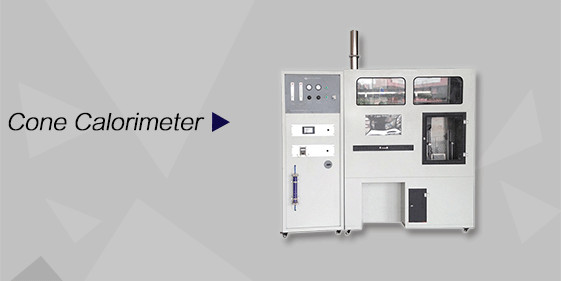
Cone Calorimeter
The import of American VTEC, cone calorimeter ultra high cost performance
more
-
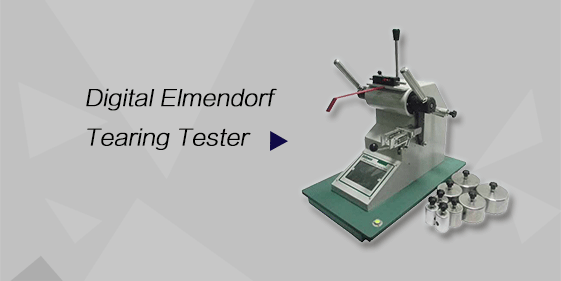
Digital Elmendorf Tearing Tester
Pendulum method test material tear strength, operating more simple, more accurate data
more
-
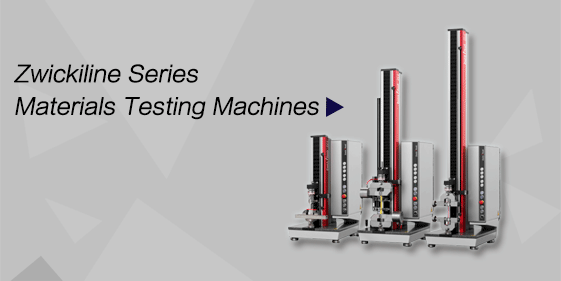
ZwickiLine Materials testing machines
Top of the world's leading universal material testing machine
more
Heating Softening Tunnel Oven
BACK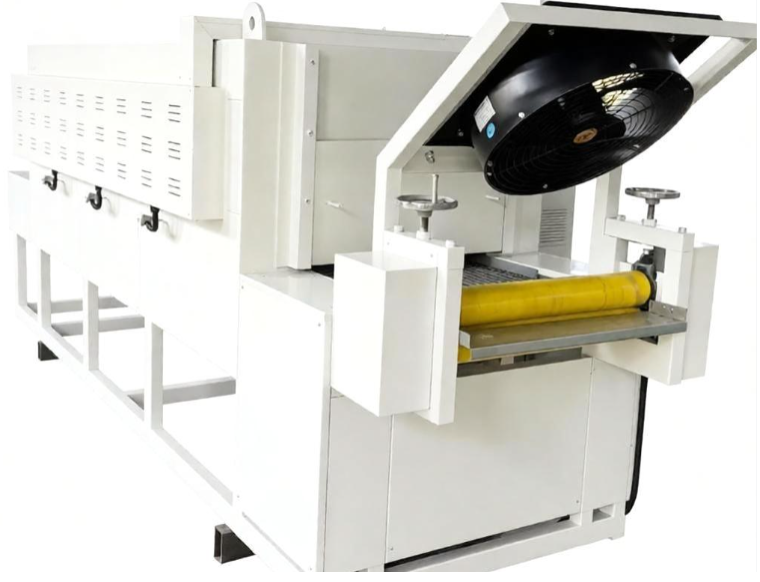


Standards:
Applications:
Product Information:
The Heating Softening Tunnel Oven is an industrial continuous heating system that uses energy sources such as electricity or gas to continuously heat materials until they reach a softened state. It is specially designed for the continuous heating and softening treatment of materials including plastics, rubber, composite materials, metals, and other industrial materials.
Core Applications
1. Automotive Interior Industry
Used for preheating and softening materials before the forming process of automotive interior components, such as:
Vehicle headliners
Carpets
Instrument panel skins
2. Plastic Processing Industry
Used for softening and preheating plastic sheets such as:
Acrylic (PMMA)
PVC
ABS
before thermoforming processes.
3. Electronics Manufacturing Industry
Used for continuous heat shrinking of wire harness heat-shrink tubes and curing processes after PCB dispensing.
4. Rubber Industry
Used for continuous preheating and vulcanization treatment of rubber products.
Applicable Standards
GB 5226.1 — Electrical Safety of Machinery — Electrical Equipment of Machines — Part 1: General Requirements
GB/T 30579 — Energy Efficiency Evaluation Standards for Pressure Equipment and Industrial Furnaces
ISO 13849 — Safety-Related Parts of Control Systems
Main Features
1. Continuous Production
The equipment adopts a conveyor transport system, making it suitable for high-volume continuous production lines and automated manufacturing processes.
2. Precise Temperature Control
The system adopts multi-zone independent temperature control, combined with PLC control and PID algorithms, providing high temperature control accuracy and stable heating performance.
3. Uniform Heating Performance
The equipment generally adopts far infrared radiation heating or hot air circulation heating methods to ensure uniform heating across the material surface and improve processing consistency.
4. High Efficiency and Energy Saving
The oven body uses high-density thermal insulation materials to minimize heat loss and improve thermal energy utilization efficiency.
FAQ
Q1: What heating methods are commonly used in a heating softening tunnel oven?
A:The main heating methods include far infrared radiation heating and forced hot air circulation heating.
Far infrared radiation heating provides fast heating speed and is suitable for thin materials.
Hot air circulation heating offers better heat penetration and higher temperature uniformity, making it suitable for thicker materials.
Q2: How does the equipment ensure temperature uniformity inside a long tunnel oven?
A:The equipment achieves uniform temperature distribution through multi-zone independent temperature control, hot air circulation fans, and precision temperature controllers (PID). Combined with optimized air outlet design, the temperature difference inside the oven can be controlled within ±2°C.
Q3: What materials are commonly used for the conveyor belt?
A:The conveyor belt material is selected according to the characteristics and temperature requirements of the processed materials. Common options include:
PTFE (Teflon) mesh belt — Non-stick performance, suitable for temperatures below 260°C
Stainless steel mesh belt — High temperature resistance and strong load-bearing capacity
Silicone rubber belt — Suitable for specific material heating applications requiring flexibility and surface protection
Q4: What safety protection features does the equipment have?
A:Standard safety protection functions include:
Over-temperature alarm and automatic power cutoff
Conveyor overload protection
Abnormal smoke detection alarm
Emergency stop buttons at the inlet and outlet sections
For gas-fired models, additional safety features include:
Explosion-proof pressure relief doors
Gas safety protection systems
Q5: How should the suitable tunnel oven size be selected for a specific product?
A:The tunnel oven dimensions should be determined based on:
Maximum product dimensions
Required heating and softening time
Target production capacity and conveyor speed
The total oven length and working channel width are calculated according to these process requirements to ensure sufficient heating time and production efficiency.
