




Search keywords:
product name, product type, model number,
test method, manufacturer, technique, application
-
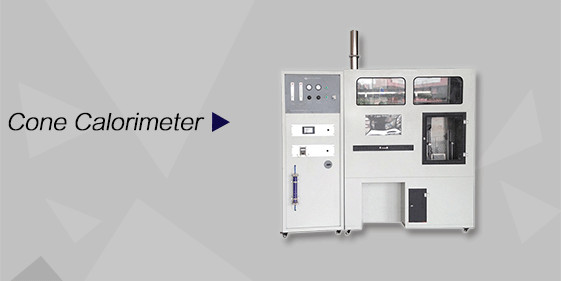
Cone Calorimeter
The import of American VTEC, cone calorimeter ultra high cost performance
more
-
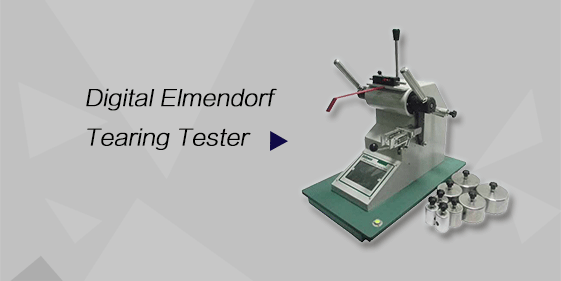
Digital Elmendorf Tearing Tester
Pendulum method test material tear strength, operating more simple, more accurate data
more
-
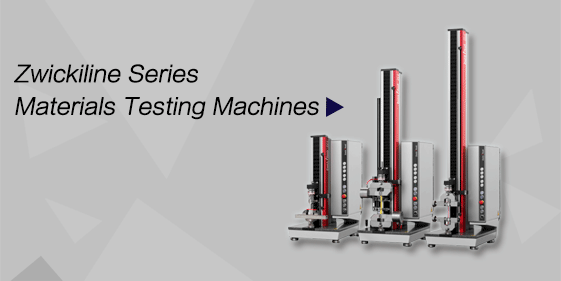
ZwickiLine Materials testing machines
Top of the world's leading universal material testing machine
more
Paint Spray Drying Tunnel Oven
BACK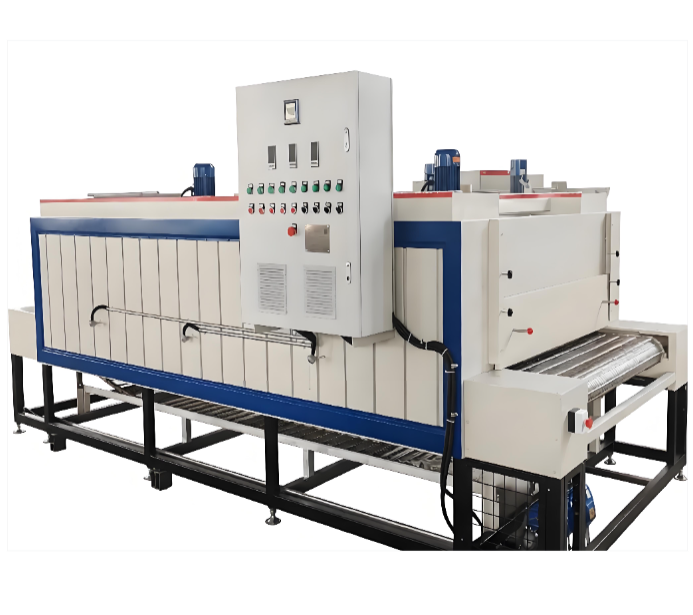


Standards:
Applications:
Product Information:
The Paint Spray Drying Tunnel Oven is an industrial continuous thermal drying equipment mainly used for continuous, efficient heating, drying, and curing of workpieces after paint spraying. Through controlled heating temperature, airflow, and processing time, the equipment enables rapid evaporation of solvents and complete curing of paint coatings, improving coating quality and production efficiency.
Core Applications
Automotive Manufacturing Industry
Used for drying and curing primer and topcoat paint layers on:
Vehicle bodies
Bumpers
Wheels
Automotive components
Hardware and Home Appliance Industry
Used for coating curing of:
Refrigerator housings
Washing machine shells
Security doors
Various metal stamping parts
Machinery Manufacturing Industry
Used for surface anti-corrosion paint drying of:
Large construction machinery
Machine tool housings
Metal structural components
Electronic and Plastic Products Industry
Used for surface spray coating drying of:
Mobile phone housings
Laptop panels
Various plastic products
Applicable Standards
Safety Standard
GB 14443-2007 — Safety Regulations for Painting Operations: Safety Technical Requirements for Coating Drying Rooms
Defines safety requirements for coating drying equipment used in painting operations.
Explosion-Proof Standards
GB 3836.1 — Explosive Atmospheres Series Standards
Applicable to equipment using solvent-based paints, where flammable and explosive gases may be generated during the drying process.
Environmental Protection Standards
GB 16297 — Comprehensive Emission Standard of Air Pollutants
Applicable to exhaust gas emissions generated during paint drying processes.
Equipment Features
Continuous Production Line Operation
Works together with conveyor systems to achieve continuous automated production, making it suitable for large-scale manufacturing.
Precise Temperature Control
Uses multiple independent temperature control zones to ensure uniform heating. Temperature control accuracy can reach approximately ±1°C.
High Efficiency and Energy Saving
Equipped with hot air circulation systems and high-density insulation layers to reduce heat loss and improve energy utilization efficiency.
Safety and Explosion-Proof Design
Equipped with:
Automatic exhaust ventilation system
Explosion-proof doors
Combustible gas concentration alarm devices
to ensure safe operation during coating drying.
FAQ
Q1: What heating methods are available for this type of tunnel oven?
A: The main heating methods include:
Electric heating
Gas heating
Steam heating
Infrared heating
Among them, gas heating and electric heating are the most commonly used methods. Infrared heating provides faster curing speed and is suitable for applications requiring rapid heating.
Q2: How can the tunnel oven prevent paint from bubbling or cracking during drying?
A: The tunnel oven is usually designed with three sections:
Preheating zone
Heating/curing zone
Cooling zone
The workpiece first enters the low-temperature preheating zone, allowing the coating to level and solvents to gradually evaporate. It then enters the high-temperature curing zone for final curing, effectively preventing coating defects such as bubbles and cracks.
Q3: How are exhaust gases generated during drying treated?
A: The rear section of the equipment is normally equipped with exhaust gas collection pipelines. The generated volatile organic compounds (VOCs) are usually treated through:
Regenerative Catalytic Oxidation (RCO)
Regenerative Thermal Oxidation (RTO)
Activated carbon adsorption systems
The exhaust gas is discharged only after meeting environmental emission requirements.
Q4: Can the conveyor speed of the tunnel oven be adjusted?
A: Yes. The conveyor system adopts variable-frequency speed control. According to different workpiece sizes, materials, and paint thicknesses, the conveyor speed can be precisely adjusted to control the drying and curing time.
Q5: Can the same tunnel oven be used for both metal and plastic workpieces?
A: Yes, but the drying processes require different temperature settings.
Metal workpieces: Usually require high-temperature curing at approximately 130°C–200°C.
Plastic workpieces: Generally require low-temperature drying, usually around 60°C–80°C, due to limited heat resistance.
The temperature control program needs to be adjusted according to the material characteristics to avoid deformation or damage.
