




Search keywords:
product name, product type, model number,
test method, manufacturer, technique, application
-
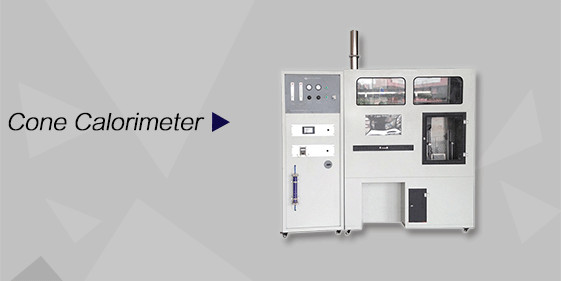
Cone Calorimeter
The import of American VTEC, cone calorimeter ultra high cost performance
more
-
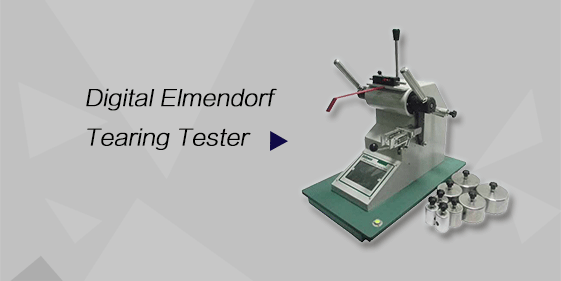
Digital Elmendorf Tearing Tester
Pendulum method test material tear strength, operating more simple, more accurate data
more
-
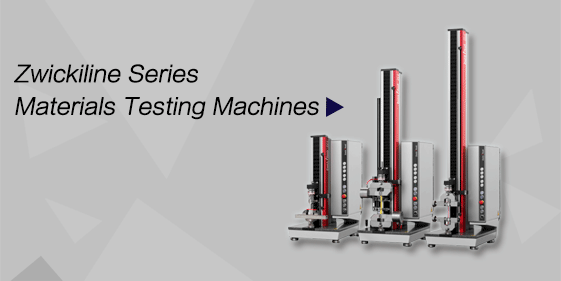
ZwickiLine Materials testing machines
Top of the world's leading universal material testing machine
more
Copper Busbar Heat Shrink Tunnel Oven
BACK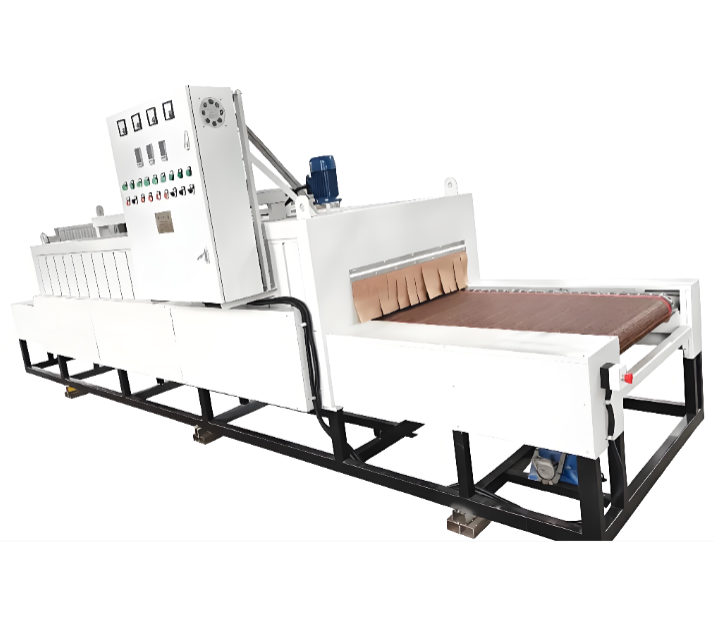


Standards:
Applications:
Product Information:
The Copper Busbar Heat Shrink Tunnel Oven is an industrial heating and baking equipment specially designed for continuous heat shrinking of insulation sleeves on electrical copper busbars and power busbars.Through mesh belt or chain conveyor transmission, copper busbars with heat shrink tubes installed are transported at a uniform speed through a high-temperature hot air circulation zone or infrared heating zone. The equipment enables efficient, uniform shrinkage and tight wrapping of the insulation layer.
Equipment Applications
This equipment is widely used in manufacturing fields requiring high-standard electrical insulation and busbar protection.
High and Low Voltage Distribution Cabinets
Used for:
Heat shrinking insulation sleeves on main busbars
Branch copper busbars inside switchgear cabinets
Electrical insulation protection of power distribution systems
New Energy Vehicle Industry
Used for insulation protection of:
Battery pack cell connecting busbars
Electrical control and drive system copper busbars
Transformers and Reactors
Used for:
Outlet copper busbars
Electrical transformer connection components
Arc-resistant insulation protection
Rail Transit and Energy Storage Systems
Used for:
Locomotive power distribution systems
Large energy storage container internal power transmission busbars
Automated busbar processing production lines
Applicable Standards
The equipment manufacturing and processed products generally need to comply with the following standards:
GB/T 14048.1 / IEC 60947-1
Low-voltage switchgear and controlgear — General requirements
GB 5226.1
Safety of machinery — Electrical equipment of machines — General technical conditions
GB/T 2423
Environmental testing standards for electrical and electronic products
Used to ensure the heat resistance and aging resistance performance of processed copper busbars after heat shrinking.
UL94 V-0 Flame Retardant Grade
Used together with heat shrink tube standards to ensure that the heating process and finished products meet flame-retardant safety requirements.
Equipment Features
Uniform Heating Without Bubbles
Adopts:
Far-infrared heating technology
Strong hot air circulation system
Multi-angle heat-reflective inner chamber design
It effectively eliminates common problems caused by manual heat gun operation, such as:
Surface bubbles
Pressure marks
Uneven shrinkage
Local overheating
The final insulation layer has better appearance and consistency.
Precise Intelligent Temperature Control
Uses multi-zone independent microcomputer PID temperature control technology.
Temperature control accuracy can reach approximately ±1°C.
The heating temperature can be flexibly adjusted according to different copper busbar requirements:
Low-voltage copper busbars: usually around 120°C
High-voltage copper busbars: usually around 170°C
Variable-Speed Conveyor for Efficient Production
Uses:
Frequency-controlled mesh belt conveyor
Chain conveyor system
The equipment supports 24-hour continuous production operation, significantly improving mass production efficiency and finished product yield.
Energy-Saving and Safety Design
The furnace body adopts:
Double-layer thermal insulation structure
High-performance insulation materials
The inlet and outlet are equipped with adjustable lifting shielding doors to reduce heat loss and protect the working environment.
FAQ
Q1: What is the common heating temperature of a copper busbar heat shrink tunnel oven?
A: The adjustable temperature range is generally from room temperature up to 250°C.
In actual production:
Standard low-voltage copper busbar heat shrinking usually uses around 120°C
High-voltage copper busbars with thicker insulation sleeves usually require around 170°C
The actual setting depends on the heat shrink tube material and thickness.
Q2: Why is a tunnel oven better than traditional manual heat guns for heat shrinking?
A: Manual heat gun operation depends heavily on operator skill and often causes:
Uneven heating
Surface bubbles
Local burning
Incomplete shrinkage
Visible pressure marks
The tunnel oven provides a constant-temperature heating environment with full-area hot air circulation, ensuring:
Uniform shrinkage
Better appearance
Higher insulation consistency
Several times higher production efficiency
Q3: How does the equipment handle copper busbars of different sizes and shapes?
A: The tunnel oven is designed with adjustable inlet and outlet heights, equipped with sliding lifting doors.
The conveyor system usually adopts:
Wide stainless steel mesh belts
PTFE (Teflon) high-temperature mesh belts
It can accommodate:
Bent copper busbars
Long strip busbars
Irregularly shaped connection components
while ensuring stable placement and smooth transportation.
Q4: Can the conveyor speed be adjusted? How does it work with the heating process?
A: Yes.
The equipment is equipped with a frequency converter for stepless speed adjustment.
The conveyor speed can be adjusted according to:
Copper busbar thickness
Heat shrink tube material
Heating temperature
By controlling the residence time inside the furnace, the equipment achieves the ideal shrinkage tightness and insulation performance.
Q5: Does this equipment consume a lot of electricity? What energy-saving designs are included?
A: Although the heating power is usually between several kilowatts and dozens of kilowatts, the equipment is designed with energy efficiency in mind.
Energy-saving features include:
Double-layer insulated furnace structure
High-density thermal insulation cotton filling
Multi-angle heat reflection design inside the chamber
Automatic intermittent heating operation after reaching the set temperature
These designs significantly reduce heat loss, and the actual energy consumption is much lower than the rated heating power.
