




Search keywords:
product name, product type, model number,
test method, manufacturer, technique, application
-
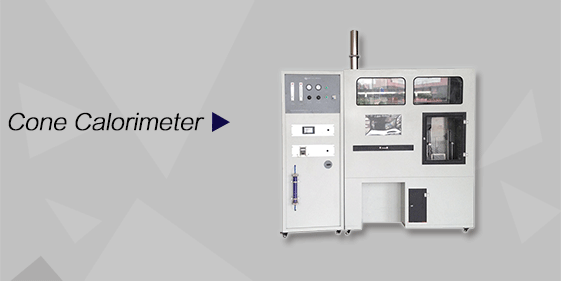
Cone Calorimeter
The import of American VTEC, cone calorimeter ultra high cost performance
more
-
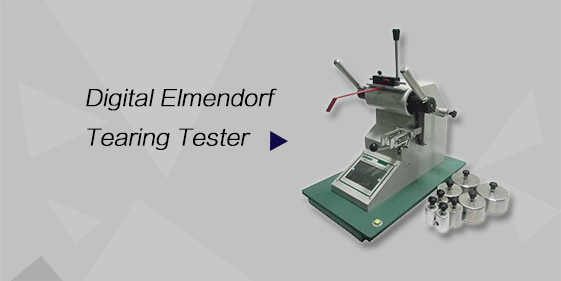
Digital Elmendorf Tearing Tester
Pendulum method test material tear strength, operating more simple, more accurate data
more
-
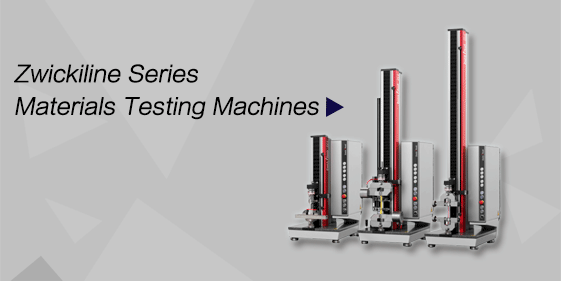
ZwickiLine Materials testing machines
Top of the world's leading universal material testing machine
more
Epoxy Adhesive Curing Drying Tunnel Oven
BACK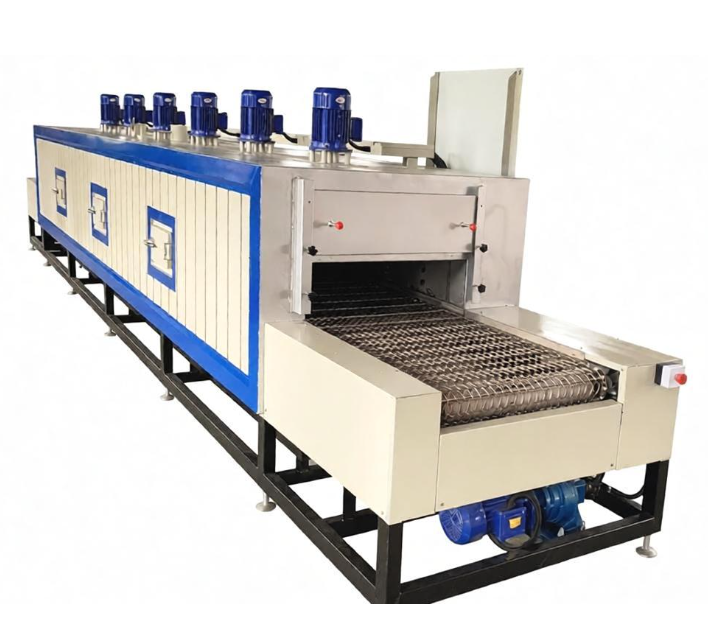


Standards:
Applications:
Product Information:
The Epoxy Adhesive Curing Drying Tunnel Oven is a continuous hot air circulation and infrared heating system specially designed for industrial automated production lines.By precisely controlling different temperature zones, the equipment enables epoxy resin adhesives applied on electronic components, automotive parts, and composite materials to complete molecular cross-linking and curing reactions quickly and uniformly.
Applications
Electronic Components
Chip bonding and adhesive curing.
Inductor coil encapsulation.
Transformer impregnation curing.
PCB dispensing and adhesive curing.
Automotive Components
Fixing of enameled wires on motor rotors.
Automotive lamp sealing adhesive curing.
Sensor encapsulation and bonding.
Hardware and Plastic Products
Resin coating and adhesive curing for nameplates.
Surface coating drying of handicrafts.
Drying and curing of composite laminate materials.
Optical and Acoustic Products
Rapid curing of adhesive applied on camera modules.
Adhesive curing and shaping of acoustic speaker components.
Technical Parameters
| Parameter | Specification |
|---|---|
| Conveyor Belt Width | 300mm - 1200mm (Customized available) |
| Working Temperature | Room temperature - 200℃ (High-temperature model up to 300℃) |
| Temperature Control Accuracy | ±1℃ |
| Number of Heating Zones | 3 - 8 independent temperature control zones |
| Conveyor Speed | 0.1 - 5 m/min (Variable frequency speed control) |
| Heating Elements | Stainless steel heating tubes / Far infrared quartz heating tubes |
| Power Supply | AC 380V, 50Hz (Three-phase five-wire system) |
Product Features
Precise Temperature Control
Equipped with PID intelligent digital temperature controllers, each heating zone adopts independent closed-loop temperature control to ensure stable curing conditions.
Uniform Heating Performance
A powerful hot air circulation system combined with specially designed air ducts ensures no dead zones inside the oven and minimizes temperature differences.
High Efficiency and Energy Saving
The equipment uses high-density aluminum silicate fiber insulation layers to effectively retain heat, keeping the outer surface temperature close to ambient temperature and reducing energy consumption.
Adjustable Conveying Speed
Available with Teflon mesh belts, stainless steel mesh belts, or chain conveyors. Combined with variable frequency speed control, the system can be easily integrated into automated production lines.
Safe and Reliable Operation
Equipped with over-temperature alarm, phase-loss protection, and leakage protection. An exhaust and smoke extraction system can be optionally installed for processes involving volatile gases.
FAQ
Q1: What temperature and curing time are usually required for epoxy adhesive curing?
A:The required temperature and curing time depend on the adhesive formulation. Generally, single-component epoxy adhesives require baking at 100℃-150℃ for 10-30 minutes, while fast-curing two-component epoxy adhesives can be accelerated within several minutes using hot air heating.
Q2: How does the tunnel oven ensure uniform heating without damaging the product surface?
A:The tunnel oven adopts independent multi-zone temperature control. The front section performs preheating, the middle section provides high-temperature curing, and the rear section performs gradual cooling. Combined with a hot air circulation system, it prevents excessive temperature differences that may cause adhesive cracking or substrate deformation.
Q3: How should the conveyor belt material be selected? Will adhesive stick to the belt?
A:Common options include Teflon mesh belts (anti-stick and heat resistant), stainless steel mesh belts (high load capacity), and chain conveyors. For processes with adhesive dripping risks, Teflon mesh belts are recommended because they are easy to clean and prevent sticking.
Q4: Can the length and width of the tunnel oven be customized according to an existing production line?
A:Yes. The furnace length, working width, inlet/outlet height, and number of temperature zones can all be customized according to product dimensions, production capacity, and adhesive curing requirements.
Q5: How are exhaust gases generated during operation handled?
A:The oven is equipped with independent exhaust outlets on the top section. It can be connected directly to the factory central ventilation system or equipped with activated carbon filtration devices to remove odors and volatile substances generated during the curing process.
