




Search keywords:
product name, product type, model number,
test method, manufacturer, technique, application
-
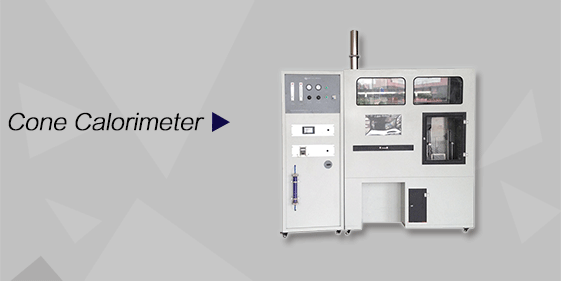
Cone Calorimeter
The import of American VTEC, cone calorimeter ultra high cost performance
more
-
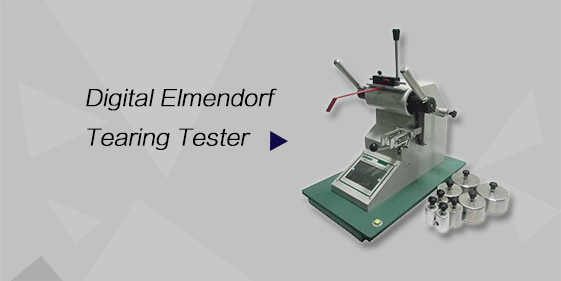
Digital Elmendorf Tearing Tester
Pendulum method test material tear strength, operating more simple, more accurate data
more
-
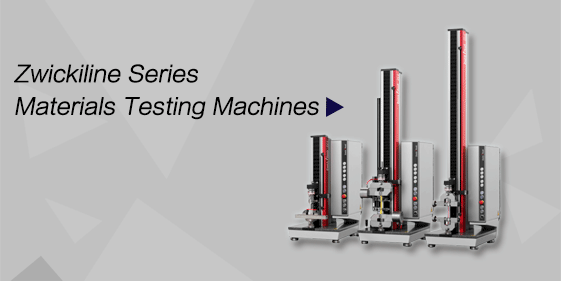
ZwickiLine Materials testing machines
Top of the world's leading universal material testing machine
more
Molecular Sieve Adsorption Concentration Rotor Tunnel Furnace
BACK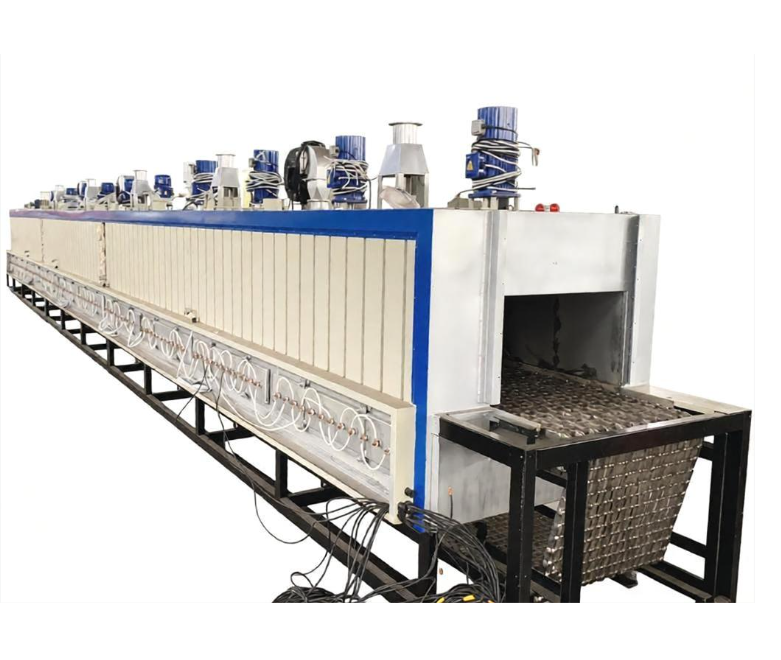


Standards:
Applications:
Product Information:
The Molecular Sieve Adsorption Concentration Rotor Tunnel Furnace is an industrial-grade continuous hot air circulation heating system. It is specially designed for high-temperature desorption and thermal regeneration of molecular sieve adsorption rotors, which are the core components in VOCs treatment systems for large air volume and low-concentration organic waste gases. By providing stable and uniformly distributed continuous hot air, the equipment enables efficient desorption of VOCs adsorbed inside the molecular sieve.
Product Applications
High-Temperature Rotor Regeneration:
Used for continuous heating desorption of molecular sieve rotors after adsorption saturation, effectively removing high-boiling-point organic compounds.
System Integration Support:
Serves as the key heating unit in VOCs treatment systems combining rotor concentration technology with regenerative thermal oxidizers (RTO) or catalytic oxidizers (CO).
Performance Recovery Activation:
Used for periodic high-temperature activation and restoration of molecular sieve rotors whose adsorption efficiency has decreased due to long-term operation.
Product Parameters
| Parameter Item | Technical Specifications |
|---|---|
| Rated Working Temperature | 150℃ - 350℃ (Adjustable according to molecular sieve material and VOC composition) |
| Temperature Control Accuracy | ±1℃ |
| Temperature Difference Inside Furnace | Less than ±3℃ |
| Conveyor Speed | 0.1 - 5 m/min (Variable frequency stepless speed regulation) |
| Heating Energy Source | Electric heating / Natural gas / Steam (Optional) |
| Equipment Material | Inner chamber made of SUS304 stainless steel; exterior made of powder-coated carbon steel; middle layer filled with high-density aluminum silicate insulation |
Product Features
Precise Temperature Control:
Adopts a PID microcomputer intelligent temperature control system to ensure an extremely uniform temperature field inside the furnace and prevent local overheating damage to the rotor.
Energy Efficient Operation:
Features a unique internal hot air circulation design with high thermal utilization efficiency, reducing energy consumption by more than 30% compared with conventional tunnel furnaces.
Explosion-Proof Safety Design:
Equipped with independent over-temperature alarms, exhaust explosion-proof pressure relief doors, and low-pressure protection systems to ensure safe handling of volatile gases during heating.
Stable Structure:
The tunnel-type continuous operation structure provides smooth chain conveying and is perfectly suitable for efficient transportation of disc-shaped adsorption rotors.
FAQ
Q1: What desorption temperature is generally recommended for this tunnel furnace?
A1: The typical desorption temperature for molecular sieve rotors is 180℃ to 220℃. For high-boiling-point compounds, regeneration may require temperatures above 250℃. The actual setting depends on the VOC composition and process requirements.
Q2: How does the equipment ensure uniform heating of large-volume rotors inside the furnace?
A2: The equipment adopts multi-zone independent temperature control combined with dual-side forced hot air circulation. Together with slow rotation or stable conveying, it ensures the temperature difference between different parts of the rotor remains within ±3℃.
Q3: How are VOC gases released during the heating desorption process handled?
A3: A dedicated exhaust outlet is installed on the top of the tunnel furnace. The high-concentration VOC gases released during desorption are directly transported through pipelines to subsequent RTO or CO oxidation equipment for complete treatment.
Q4: What heating methods are available for this equipment?
A4: The system supports electric heating, gas heating, and factory waste heat steam heating. Users can select the most suitable energy source according to existing factory conditions and operating costs.
