




Search keywords:
product name, product type, model number,
test method, manufacturer, technique, application
-
Cone Calorimeter
The import of American VTEC, cone calorimeter ultra high cost performance
more
-
Digital Elmendorf Tearing Tester
Pendulum method test material tear strength, operating more simple, more accurate data
more
-
ZwickiLine Materials testing machines
Top of the world's leading universal material testing machine
more
Lithium Battery Electrolyte Drying Furnace
BACK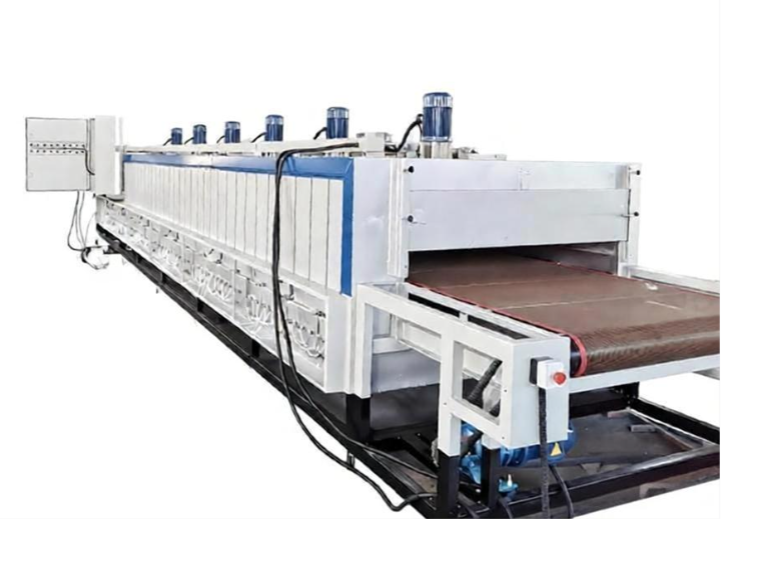


Standards:
Applications:
Product Information:
The Lithium Battery Electrolyte Drying Furnace (also commonly referred to as a vacuum drying furnace for battery cells before electrolyte filling or a drying system for electrolyte containers and battery materials) is a key high-precision drying equipment used in lithium-ion battery manufacturing processes.By utilizing precise temperature control and a high vacuum environment, the equipment effectively removes trace moisture inside battery cells before electrolyte injection. This prevents side reactions between moisture and electrolyte components, directly improving battery cycle life, safety performance, and overall reliability.
Product Applications
1. Deep Moisture Removal
Before electrolyte filling, lithium battery cells are vacuum heated and dried to reduce internal moisture to an extremely low level, typically below 200 ppm.
2. Prevention of Side Reactions
Prevents moisture from reacting with LiPF₆ in the electrolyte to generate hydrofluoric acid (HF), avoiding battery swelling, capacity degradation, and increased internal resistance.
3. Improvement of Battery Quality Performance
Ensures complete and uniform electrolyte wetting, significantly improving:
Battery cycle life
Discharge capacity
Safety and stability performance
Product Parameters
General reference parameters
| Parameter Item | Technical Specification |
|---|---|
| Operating Temperature | Room Temperature - 150℃ (Temperature control accuracy ±1℃) |
| Ultimate Vacuum Level | ≤10 Pa (or better than 0.1 Torr) |
| Vacuum Leakage Rate | ≤50 Pa·L/s |
| Heating Method | Contact heating plate / Radiation heating / Nitrogen circulation heating |
| Working Chamber Material | SUS316L or SUS304 high-grade stainless steel |
| Temperature Control System | PLC intelligent control with multi-point independent PID regulation |
Product Features
1. High-Precision Temperature Control
The equipment adopts multi-zone independent temperature control and precision heating plates to ensure highly uniform temperature distribution throughout the chamber and prevent local overheating.
2. Excellent Vacuum Holding Performance
With superior sealing performance and ultra-low vacuum leakage rate, the furnace supports long-term high vacuum maintenance and multi-stage vacuum pumping processes.
3. High Corrosion Resistance Design
Considering possible residual volatile substances during drying, the inner chamber and pipelines are made of corrosion-resistant stainless steel materials to extend equipment service life.
4. Comprehensive Safety Protection
The system is equipped with:
Over-temperature alarm
Vacuum abnormal protection
Power failure protection
Automatic nitrogen (N₂) filling and exhaust explosion-proof system
These functions ensure safe operation during the entire drying process.
5. Intelligent Automated Operation
Supports fully automatic PLC touchscreen operation and can be integrated with MES systems for complete process data monitoring and traceability.
FAQ
Q1: Why does pre-electrolyte-filling drying require such a high vacuum level?
A: Under high vacuum conditions, the boiling point of water is significantly reduced. This allows deep moisture inside the battery cell to be completely removed at safe temperatures (such as 80℃–120℃) without damaging the structure of the positive and negative electrode materials.
Q2: What heating methods are commonly used for this equipment? Which one is better?
A: The main heating methods include:
Contact heating (electric heating plates with clamping structure)
Contact heating combined with nitrogen circulation heating
Contact heating provides faster heat transfer and higher efficiency, making it the mainstream solution for automated lithium battery production lines.
Q3: How does the drying furnace ensure uniform heating of all battery cells inside?
A: Heating elements are integrated into each shelf layer. Through multi-point independent PID temperature control and high-precision temperature sensors, the system monitors and adjusts temperature in real time, maintaining furnace temperature uniformity within ±2℃.
