




Search keywords:
product name, product type, model number,
test method, manufacturer, technique, application
-
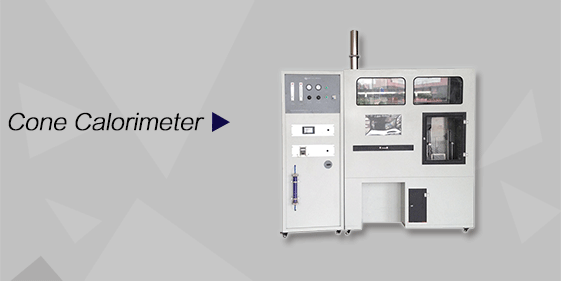
Cone Calorimeter
The import of American VTEC, cone calorimeter ultra high cost performance
more
-
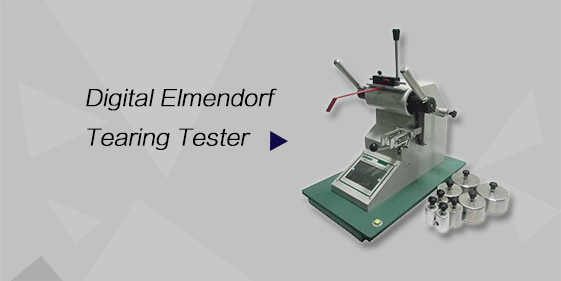
Digital Elmendorf Tearing Tester
Pendulum method test material tear strength, operating more simple, more accurate data
more
-
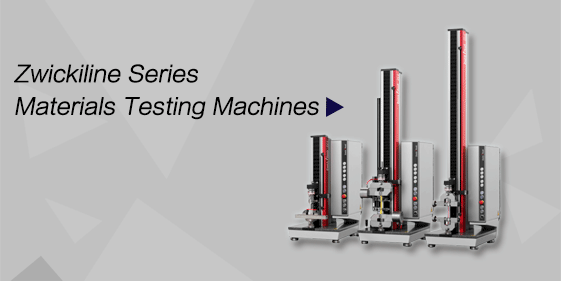
ZwickiLine Materials testing machines
Top of the world's leading universal material testing machine
more
Stator and Rotor Tunnel Furnace
BACK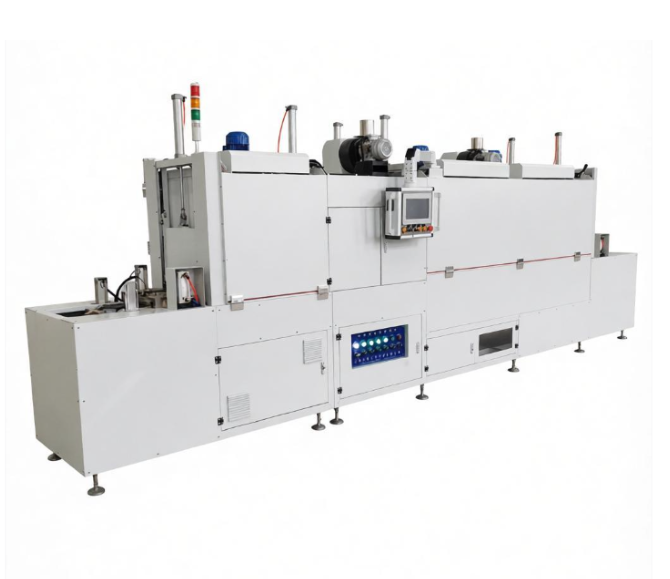


Standards:
Applications:
Product Information:
The Stator and Rotor Tunnel Furnace is a continuous industrial heating oven specially designed for the heating processes of motor stators and rotors. The equipment adopts a tunnel structure and uses chain or mesh belt conveying systems to transport stators and rotors continuously through multiple heating zones.It is widely used for motor stator varnish baking, curing, preheating, and heat-shrink fitting processes, featuring high automation, precise temperature control, and stable continuous operation.
Product Applications
Motor Stator Curing
Used for drying and curing insulating varnish after stator winding impregnation to improve insulation performance and product reliability.
Rotor Heat Shrink Assembly
Heating is used to expand the rotor core or bearing components, facilitating thermal fitting and assembly.
Stress Relief Treatment
Used for stress-relief annealing of stator and rotor cores after stamping, welding, or machining processes.
Moisture Removal
Used for preheating and moisture removal of stators and rotors before varnish impregnation or insulation treatment.
Technical Specifications
| Parameter | Specification |
|---|---|
| Overall Dimensions (mm) | L5440 × W1300 × H1578 |
| Chamber Dimensions (mm) | L2099 × W1122 × H721 |
| External Shell Material | Made of 2.0mm thick A3 cold-rolled steel plate; surface grinding and polishing; high-temperature electrostatic powder coating treatment |
| Inner Chamber Material | Stainless steel plate construction, easy to clean and corrosion-resistant |
| Temperature Range | Room temperature +10℃ to 220℃ (adjustable) |
| Thermal Insulation | 100mm thick insulation layer filled with 100K high-temperature resistant aluminum silicate rock wool |
| Total Power | 44 kW |
| Power Supply | 380V, three-phase five-wire system |
| Conveyor Structure | Uses C216A precision double-pitch roller chain with K2 attachments, P50.8 stainless steel double-pitch roller conveyor chain |
| Heating System | Stainless steel electric heating tubes |
| Control System | Temperature controlled by microcomputer intelligent digital temperature controller with PID auto-tuning, automatic constant temperature control, timing function, automatic alarm and power-off after reaching set time, over-temperature power-off protection, temperature monitoring, leakage protection circuit breaker, alarm indicator and three-color warning light |
| Safety Protection | Equipped with over-temperature alarm, leakage protection, and motor overload protection functions |
| Electrical Components | Other electrical components adopt Omron or Schneider control systems |
| Remarks | The above tunnel ovens are customized according to customer requirements and are non-standard products |
Product Features
High Efficiency and Energy Saving
The equipment adopts a high-quality thermal insulation structure and thermal barrier design, combined with a hot air circulation system to significantly reduce heat loss and improve energy efficiency.
Precise Temperature Control
Equipped with intelligent microcomputer PID temperature control and independent multi-zone temperature regulation, ensuring accurate heating curves and consistent curing quality.
Stable Operation
The frequency-controlled conveying system operates smoothly with low vibration, preventing stators and rotors from shifting or being damaged during the heating process.
Intelligent Safety Protection
Equipped with over-temperature alarm, conveyor jam protection, exhaust and explosion prevention systems, and PLC integrated one-touch control for safe and automated operation.
FAQ
Q1: How should the heating method of the stator and rotor tunnel furnace be selected?
A:Electric heating provides the highest temperature control accuracy and clean operation. Infrared heating offers strong penetration capability and faster heating speed. Gas heating is suitable for large-scale production with high energy consumption requirements, helping reduce operating costs.
Q2: How does the furnace ensure uniform heating during stator varnish curing?
A:The equipment adopts a powerful forced convection circulation system, allowing hot air to penetrate stator windings from multiple directions and ensuring minimal temperature differences between internal and external areas.
Q3: How are the exhaust gases generated during the heating process handled?
A:The equipment is equipped with an independent exhaust system and adjustable valves. Volatile gases can be collected and discharged through the workshop exhaust pipeline or connected to VOCs treatment equipment for environmental compliance.
