




Search keywords:
product name, product type, model number,
test method, manufacturer, technique, application
-
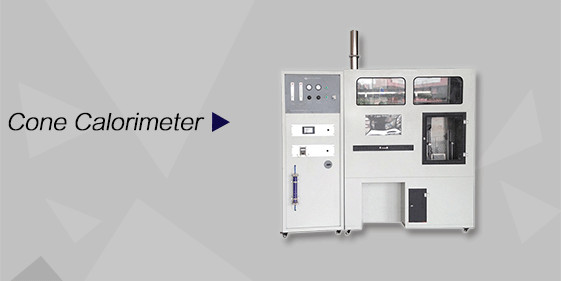
Cone Calorimeter
The import of American VTEC, cone calorimeter ultra high cost performance
more
-
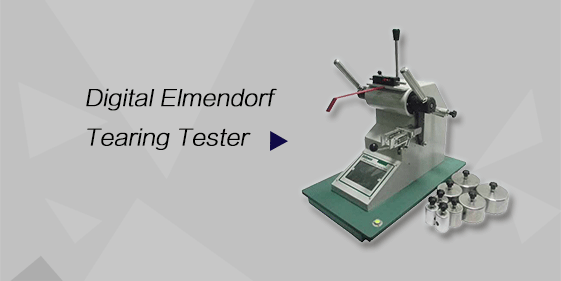
Digital Elmendorf Tearing Tester
Pendulum method test material tear strength, operating more simple, more accurate data
more
-
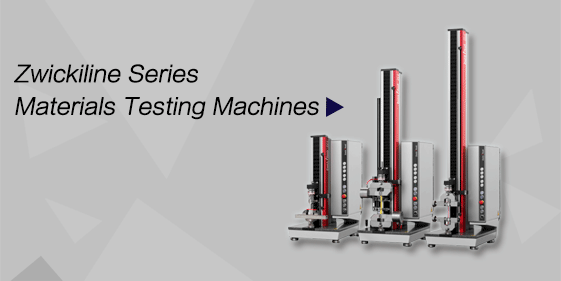
ZwickiLine Materials testing machines
Top of the world's leading universal material testing machine
more
JIS Rubbing Color Fastness Tester
BACK


Standards:
JIS L0849 — Test methods for color fastness of textiles — Rubbing color fastness test method JIS L1084 — Color fastness tests of textiles — Rubbing test method JIS P8136 — Test method for rubbing durability of printed matter
Applications:
The Rubbing Color Fastness Tester is suitable for rubbing color fastness testing of materials in the following fields:
Textiles:
Such as dyed textiles, fabrics, and woven materials, for evaluating color fastness after rubbing.
Flocked Fabrics:
For friction strength testing of various flocked fabrics.
Artificial Leather:
Such as synthetic leather and artificial leather, for rubbing discoloration tests.
Paperboard and Packaging Materials:
Including cartons, paperboard, and packaging bags, for evaluation of rubbing durability.
Printing Inks:
For assessing the rubbing resistance of inks on printed surfaces.
Coatings:
For evaluating rubbing and abrasion resistance of various coating materials.
Traffic Signs and Advertising Materials:
Such as outdoor billboards, subway signs, and bus signs, for friction testing.
Others:
Including plastic products and electronic product housings, for rubbing durability testing.
Product Information:
The Rubbing Color Fastness Tester is a Type II rubbing test machine designed and manufactured in accordance with the Japanese Industrial Standard “Test Methods for Color Fastness of Textiles”, specifically the Rubbing Color Fastness Test Method (JIS L0849).
This equipment is mainly used for the evaluation and determination of rubbing color fastness of dyed fiber products. It can simulate color change caused by friction between materials and other surfaces during actual use.
In addition, through the interchange of various accessories, the tester is widely used for flocking strength tests of flocked fabrics, rubbing color transfer tests of artificial leather, and rubbing and abrasion tests of cardboard, printing inks, coatings, and similar materials.
Specifications
| Parameter | Specification |
|---|---|
| Test stations | 6 stations |
| Test table shape | Curved table (curvature radius 200 mm) |
| Rubbing head shape | Curved type (curvature radius 45 mm) |
| Test load | 2 N |
| Reciprocating distance | 120 mm |
| Reciprocating speed | 30 cycles/min |
| Power supply | AC 220 V, 50 Hz |
| Overall dimensions | W345 × D520 × H320 mm |
Features
Multifunctionality:
By replacing different accessories, the tester can be used for various materials and test requirements, such as flocking strength tests, rubbing discoloration tests of artificial leather, and coating rubbing resistance tests.
High Safety:
Equipped with a transparent resin safety cover to ensure operator safety during testing.
High Flexibility:
The curved test table design adapts to various materials and accurately simulates actual rubbing conditions.
High-Precision Testing:
Standard load weights and precise control of rubbing head geometry ensure high consistency and accuracy of test results.
Durability:
Robust design suitable for long-term continuous operation, ensuring stable performance over extended use.
Accessories
| Accessory | Quantity | Description |
|---|---|---|
| Flat test table | 1 | For general sample testing |
| Transparent resin safety cover | 1 | Enhances operational safety |
| 1.5 R rubbing head | 1 | Curvature radius 1.5 mm |
| Sharp-angle rubbing head | 1 | For flocked product testing |
| Load weights (300 g, 500 g, 800 g) | 1 set | Provides different load options |
| Thick fabric sample fixing device | 1 | Maximum thickness 8 mm |
| Flat rubbing head (20 × 20 mm) | 1 | For ink and coating tests |
Test Principle
The Rubbing Color Fastness Tester evaluates material rubbing performance by simulating actual friction conditions using a specified load, defined rubbing head shape, and standardized reciprocating distance.
The rubbing head repeatedly rubs the test material to assess color transfer, rubbing marks, and wear degree caused by friction, thereby determining the rubbing color fastness of the material.
Operating Instructions
Sample Preparation:
Select an appropriate rubbing head and load weight according to the material type.
Equipment Setup:
Set the curvature radius of the test table and the load value in accordance with the test standard to ensure accurate test conditions.
Start Test:
Press the start button; the rubbing head automatically performs the specified reciprocating motion and records test data.
Test Completion:
After the test, evaluate the sample according to color difference assessment standards and perform data analysis.
Safety Precautions:
Ensure the safety cover is properly installed during operation to prevent accidental contact with moving components.
Test Procedure
Prepare the sample, ensuring the surface is flat and meets standard requirements.
Configure appropriate load weights and rubbing heads.
Start the test and select the required number of test cycles.
Inspect rubbing marks on the sample after testing and record color fastness changes.
Evaluate rubbing color fastness according to the relevant standard and obtain final results.
FAQ
1. What is the main purpose of the JIS Rubbing Color Fastness Tester?
The tester is used to evaluate the rubbing color fastness of dyed or coated materials by simulating friction under controlled load, stroke length, and speed, in accordance with JIS standards.
2. What types of rubbing tests can be performed with this equipment?
The equipment can perform dry and wet rubbing color fastness tests on textiles, as well as rubbing discoloration and abrasion tests on flocked fabrics, artificial leather, printed materials, coatings, and packaging materials by using interchangeable accessories.
3. Why is a curved test table and curved rubbing head used?
The curved test table and rubbing head are designed to simulate real contact conditions between materials during actual use, especially for textiles and flexible materials, improving the relevance and repeatability of test results.
4. How is test load controlled and adjusted?
The test load is controlled using standard calibrated weights. Different load weights can be selected and combined to meet specific test requirements defined by relevant standards.
5. Which standards can be supported by this tester besides JIS L0849?
In addition to JIS L0849. the tester can be used for tests according to JIS L1084. JIS P8136. and other rubbing or abrasion-related standards, depending on test configuration and accessory selection.
