




Search keywords:
product name, product type, model number,
test method, manufacturer, technique, application
-
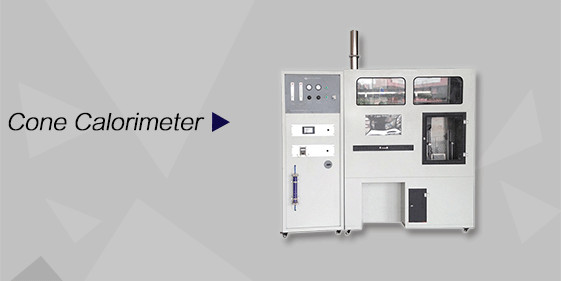
Cone Calorimeter
The import of American VTEC, cone calorimeter ultra high cost performance
more
-
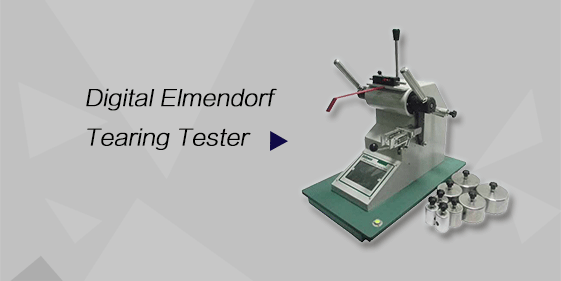
Digital Elmendorf Tearing Tester
Pendulum method test material tear strength, operating more simple, more accurate data
more
-
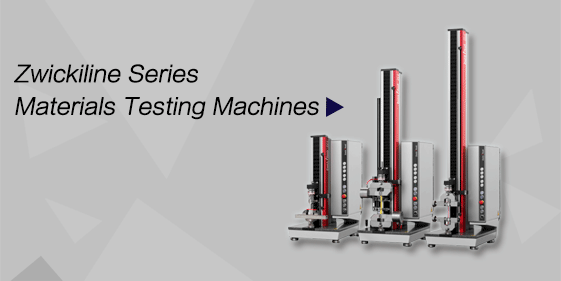
ZwickiLine Materials testing machines
Top of the world's leading universal material testing machine
more
5-Station Seatbelt Webbing Abrasion Tester
BACK

Standards:
(1) ASTM D6770 – Webbing abrasion resistance test (2) FED STD 191 – Test method standard for textiles (3) FLTM BN 163-01 – Ford motor industry seat belt webbing abrasion standard (4) FMVSS 209 – U.S. Federal Motor Vehicle Safety Standard for seat belt webbing (5) MIL-232223B – Military seat belt material abrasion requirements (6) MIL-T8363B – Military specification for textile webbing (7) SAE J339 – Seat belt webbing abrasion and performance test (8) S5 1(d) – Vehicle safety textile test method (9) GB/T 3923.1 – Textile fabrics: Tensile properties of woven fabrics (10) SAE J114-1994 – Safety belt webbing abrasion requirements (11) ISO 22612:2017 – Textiles: Resistance to surface wear (12) ISO 13934-1 – Textile fabrics: Tensile properties of fabrics
Applications:
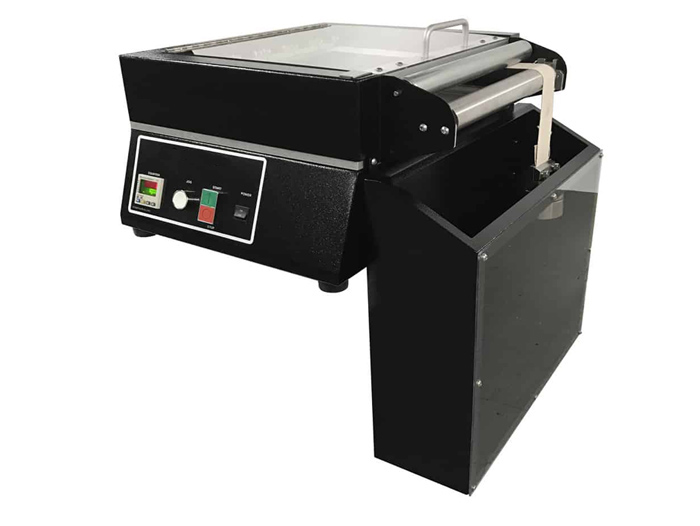
This bench-top style tester allows the operator to load test specimens, thread seatbelt material over them, and run controlled abrasion cycles. The test automatically stops once the preset number of cycles is reached, after which samples are visually inspected for wear or damage.
Product Information:
The 5-Station Seatbelt Webbing Abrasion Tester is designed to evaluate the abrasion resistance of webbing materials used in seat belts, lap belts, and shoulder straps. It simulates real-world wear caused by repeated contact and friction between the webbing and the belt hardware.
Technical Specifications
| Feature | Specification |
|---|---|
| Test Stations | 5 independent test positions |
| Test Type | Seatbelt / Webbing abrasion resistance |
| Tester Style | Bench-top configuration |
| Operation | Manual sample setup and automatic cycle stop upon completion |
| Cycle Control | Programmable digital counter for cycle count input |
| Sample Evaluation | Visual inspection after testing |
| Construction | Rigid frame with precision alignment for repeatable results |
| Drive System | Durable, low-vibration motor ensuring smooth abrasion cycles |
| Safety | Protective housing and emergency stop function |
| Power Supply | To be specified at time of order |
Features
Multi-Station Design: Test up to five samples simultaneously for high efficiency.
Accurate and Repeatable: Consistent abrasion motion ensures reliable results.
Automatic Operation: Machine stops automatically after reaching the preset number of cycles.
User-Friendly: Simple setup and intuitive controls for efficient testing.
Durable Construction: Built from robust materials suitable for continuous use.
Standards-Compliant: Meets major international automotive and military testing standards.
Test Procedures
Prepare seat belt samples and install securely in the five-station clamps.
Adjust friction devices to ensure uniform contact with each sample.
Input desired cycle count (e.g., 2.500 cycles) for each station.
Start automated testing; the machine stops automatically upon completion.
Remove samples and visually inspect for wear; optionally conduct strength tests.
Compare pre- and post-test performance and generate a testing report.
Maintenance Information
Keep friction rollers and contact surfaces clean and free from debris.
Periodically inspect motor, drive system, and clamps for wear.
Calibrate cycle counters to maintain accurate readings.
Ensure protective covers and emergency stop functions remain operational.
Store tester in a dry, clean environment to prevent corrosion or damage.
FAQ
1.What is this product?
It is a 5-station seatbelt webbing abrasion tester designed to evaluate the durability of safety belt fabrics under repeated friction conditions.
2.What is this product used for?
You use it to test automotive, aviation, and rail seat belt fabrics for abrasion resistance, durability, and strength retention.
3.How does this product work?
Each sample is fixed on a clamp and rubbed repeatedly against a friction device. After completion, visual inspection and optional strength tests assess wear and material degradation.
4.Why is this product important?
It ensures seat belt materials remain safe and reliable throughout their service life, supporting regulatory compliance and product quality.
5.Which industries is this product suitable for?
Automotive, aviation, rail transportation, seat belt manufacturers, and research labs evaluating material durability and safety performance.
