




Search keywords:
product name, product type, model number,
test method, manufacturer, technique, application
-
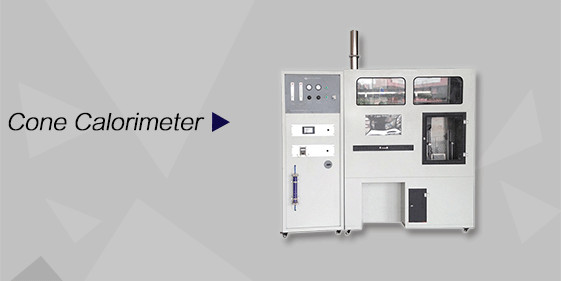
Cone Calorimeter
The import of American VTEC, cone calorimeter ultra high cost performance
more
-
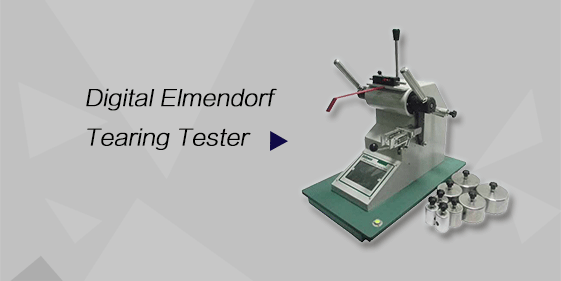
Digital Elmendorf Tearing Tester
Pendulum method test material tear strength, operating more simple, more accurate data
more
-

ZwickiLine Materials testing machines
Top of the world's leading universal material testing machine
more
Nissan Scratch Tester
BACK

Standards:
ASTM D7027 (Standard Test Method for Scratch Resistance of Polymeric Coatings and Plastics) ISO 1518 (Paints and Varnishes — Determination of Scratch Resistance) JIS K 5600-5-6 (Scratch Hardness Test for Coatings)
Applications:
You can use this tester to:
Assess scratch resistance of automotive interior plastic parts, including dashboards, door panels, and trim.
Evaluate exterior coatings, painted surfaces, and decorative panels for abrasion and scratch performance.
Conduct quality control and R&D verification for automotive paints and surface treatments.
Support material selection and comparative testing for OEMs (Honda, Nissan, Hyundai) and Tier 1 suppliers.
Test plastics, coatings, and decorative surfaces in laboratories, third-party testing centers, and manufacturing QA.
Product Information:
The Scratch Tester is designed to evaluate the scratch resistance of materials such as automotive interior plastics, exterior coatings, and decorative panels. By applying a controlled load via interchangeable scratch heads, the device simulates real-world scratching and mechanical contact. It ensures objective assessment of surface durability, supporting quality control, R&D verification, and material selection for automotive manufacturers and suppliers.
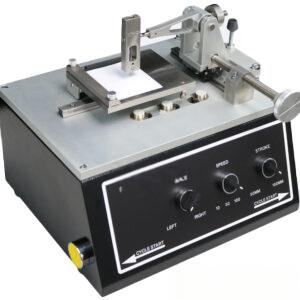
Product Advantages
Precision Scratch Analysis
Proprietary load cell technology (±0.01 N accuracy) captures micro-scratch behavior, critical for coatings and thin films.
Multi-Material Compatibility
Tests metals, polymers, ceramics, and coated surfaces with adjustable speed (1–200 mm/s) and load (0.5–50 N).
Automated Testing Protocols
Pre-loaded ASTM/ISO/JIS test modes with AI-driven load ramp and scratch pattern optimization.
High-Resolution Imaging
Integrated 4K microscope (10–200x magnification) captures scratch morphology in real time.
User-Centric Design
10.1-inch touchscreen interface with multilingual support (English, Japanese, German, Chinese) and one-touch calibration.
Product Features
Testing Modes
Linear Scratch: Single-pass testing for coatings and films.
Reciprocating Scratch: Multi-cycle abrasion for wear simulation.
Progressive Load: Automated load increments (0.5–50 N) for critical failure analysis.
Real-Time Monitoring
High-speed data acquisition (10.000 Hz) tracks friction, load, and displacement simultaneously.
Data Management
Cloud-compatible software stores 50.000+ test results and generates ISO/ASTM/JIS-compliant reports.
Safety & Compliance
Overload protection, emergency stop, and CE/UL certification for laboratory safety.
Technical Parameters
| Parameter | Specification |
|---|---|
| Load Range | 0.5–50 N (±0.01 N accuracy) |
| Speed Range | 1–200 mm/s (±0.1 mm/s accuracy) |
| Scratch Length | 5–100 mm (adjustable) |
| Microscope Magnification | 10–200x (4K resolution) |
| Dimensions (L×W×H) | 800×600×1.200 mm |
| Weight | 150 kg |
| Operating Environment | 15–35°C, ≤85% RH (non-condensing) |
| Power Supply | 220V/110V AC, 50/60Hz, 800W |
Accessories
Scratch Heads:
5× diamond indenter tips (Rockwell C geometry).
10× spherical stylus (1–10 mm radius).
Calibration Tools:
Load cell verifier, scratch depth gauge, and NIST-traceable certificate.
Sample Fixtures:
Pneumatic clamps for flat/curved specimens, vacuum chuck for thin films.
Software Suite:
AI analytics platform with scratch simulation, ERP integration, and 8-language report generator.
Safety Bundle:
Emergency stop, acoustic enclosure, and fume extraction port.
Ideal For:
Automotive OEMs (paint, trim, and interior coating durability)
Electronics manufacturers (screen protectors, polymer casing testing)
Medical device makers (biocompatible coating scratch resistance)
Research universities (advanced material innovation)
Test Procedures
Prepare test specimens of the required size and clean surfaces.
Mount specimens securely using double-stick tape or clamp bar.
Install scratch head and confirm weight or perform calibration.
Adjust test arm to neutral balance to ensure only head weight is applied.
Set stroke length and scratch speed according to relevant standard.
Start the test using dual-hand activation switch.
Perform multiple scratch tests on different locations as required.
Upon completion, remove specimen and visually evaluate scratch depth, continuity, and visibility.
Record results according to standard requirements.
Maintenance Information
Inspect scratch heads regularly for wear or deformation; replace when necessary.
Keep test platform and arm clean to prevent residue affecting results.
Check screws, fasteners, and mechanical joints periodically to ensure stability.
Store the tester in a dry environment to preserve precision bearings and surface finish.
Verify test arm balance and calibration weights before each test session.
FAQ
1.What is this product?
It is a scratch tester used to evaluate material surface resistance to scratching under controlled load, speed, and stroke conditions.
2.What is this product used for?
You use it to assess the scratch resistance of automotive interior plastics, coatings, and decorative surfaces, supporting quality control and R&D verification.
3.How does this product work?
The neutral-balanced test arm applies only the scratch head’s weight to the specimen. The head moves along a linear path at defined speed and stroke, producing controlled scratches for evaluation.
4.Why is this product important?
It ensures material surfaces retain appearance and durability under real-world conditions, supporting OEM standards compliance and product reliability.
5.Which industries is this product suitable for?
Automotive OEMs, Tier 1 suppliers, plastics and coatings manufacturers, quality assurance laboratories, and materials R&D departments.
