




Search keywords:
product name, product type, model number,
test method, manufacturer, technique, application
-
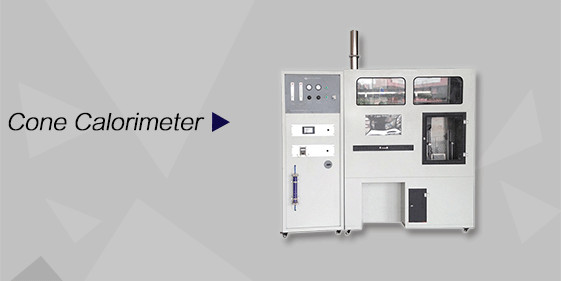
Cone Calorimeter
The import of American VTEC, cone calorimeter ultra high cost performance
more
-
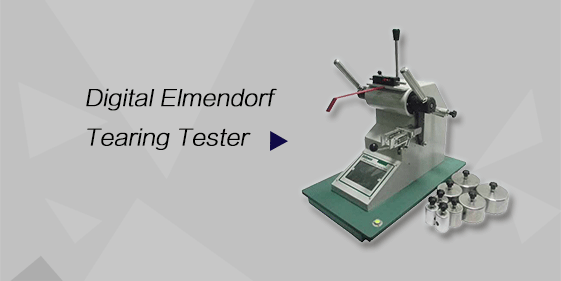
Digital Elmendorf Tearing Tester
Pendulum method test material tear strength, operating more simple, more accurate data
more
-
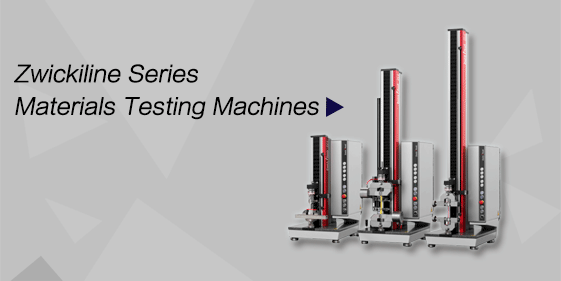
ZwickiLine Materials testing machines
Top of the world's leading universal material testing machine
more
VW Heel Abrasion Tester
BACK

Standards:
Standard Description VW TL 226 Volkswagen test method for abrasion resistance of textile and carpet materials VW PV 3908 Determination of abrasion resistance using the heel abrasion test method DIN 53516 (reference) Determination of abrasion resistance of rubber and elastomer materials ISO 4649 (reference) Rubber, vulcanized or thermoplastic — Determination of abrasion resistance Internal OEM Methods Custom variants based on VW, Audi, and other OEM-specific durability evaluations
Applications:
The tester is used for abrasion performance evaluation of interior floor materials, including but not limited to:
Automotive interior carpets for accelerator, brake, and clutch pedal areas
Tufted carpets, needle-punched felts, and pile floor coverings
Rubber-backed and composite floor materials
Material comparison during product development and process optimization
Incoming inspection and type testing for automotive OEMs and suppliers
Dry and wet abrasion condition studies for vehicle interior applications
Evaluation Criteria
After test completion, the abraded area is assessed for:
Reduction in useful layer or pile height
Fiber or tuft damage
Surface appearance change due to abrasion
Visual grading according to standard reference samples or OEM-specific criteria
Product Information:
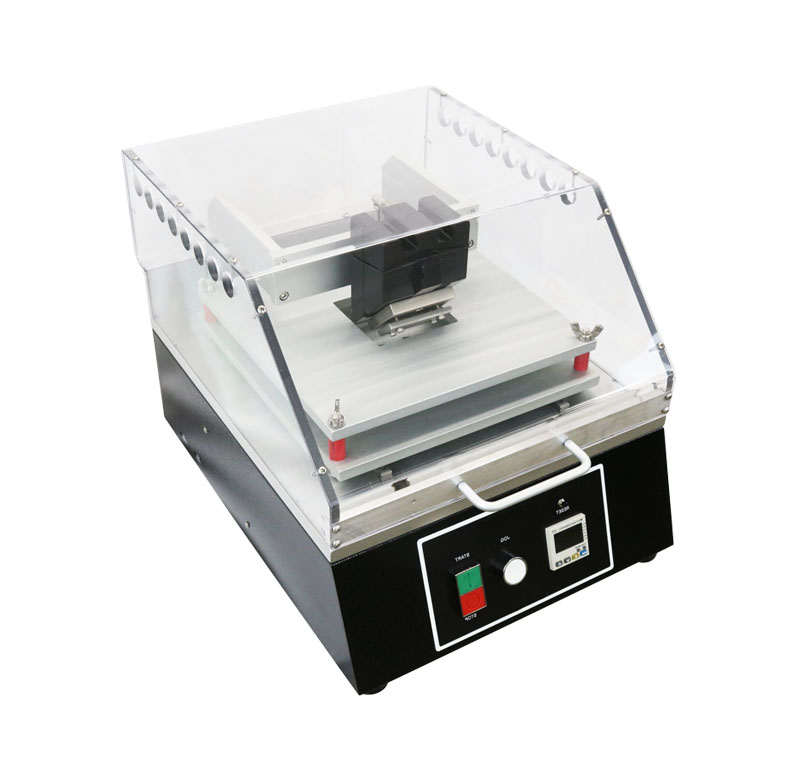
The VW Heel Abrasion Tester is designed to evaluate the wear resistance of floor covering materials subjected to repetitive mechanical stress from heel contact. The test simulates the load exerted by a rubber shoe heel in vehicle interior areas, particularly around the accelerator, brake, and clutch pedals.
This method helps determine the durability, pile retention, and visual appearance of carpet and flooring materials under dry and wet abrasion conditions, following automotive test practices.
Test Conditions
| Parameter | Dry Test | Wet Test |
|---|---|---|
| Speed | 20 mm stroke at (40 ± 10) rpm | Same as dry |
| Load | 5.6 kg total | 5.6 kg total |
| Moisture | None | Water applied to heel area |
| Water Quantity | — | Up to 600 g/m² pile weight: 5 ml; Over 600 g/m² pile weight: 10 ml |
| Test Start | Immediately | When water has fully penetrated into the pile |
Technical Specifications
| Feature | Specification |
|---|---|
| Test Method | Simulated heel abrasion for vehicle carpet and floor coverings |
| Abradant | Rubber heel (smooth side) |
| Applied Load | 5.6 kg total |
| Motion Type | Longitudinal reciprocating stroke (1 double stroke = 1 forward + 1 reverse) |
| Stroke Speed | 20 mm, 40 ± 10 rpm |
| Evaluation Criteria | Visual inspection for pile loss, tearing, or surface deformation |
| Applicable Test Mode | Dry and wet |
| Water Addition (Wet Mode) | 5–10 ml depending on pile weight |
| Construction | Non-corrosive aluminum and stainless steel |
| Finish | Durable powder coat and anodized aluminum |
| Safety | Enclosed test area with operator protection |
| Power Supply | 110V / 220V, 50–60Hz (to be specified) |
Test Principle
During testing, the specimen is positioned beneath a rubber heel (smooth side used for abrasion) and fixed securely. The heel is then lowered and loaded to a total of 5.6 kg. The machine moves the heel in a reciprocating motion, simulating one complete double stroke per forward and reverse cycle.
The visual wear assessment includes evaluating the abraded area for:
Loss of pile or useful layer
Torn-out tufts or fibers
Overall change in surface appearance
FAQ
1. What is this product?
The VW Heel Abrasion Tester is a laboratory instrument used to evaluate abrasion resistance of automotive carpets and floor covering materials by simulating repeated heel contact.
2. What is this product used for?
It is used to assess pile loss, fiber damage, and surface appearance changes of vehicle interior floor materials under dry and wet abrasion conditions.
3. Why is this product important?
The tester reproduces real pedal-area wear conditions, allowing manufacturers and laboratories to verify durability, meet OEM requirements, and ensure interior quality consistency.
4. What industries is this product suitable for?
It is suitable for automotive OEMs, interior material suppliers, carpet and flooring manufacturers, research institutions, and third-party testing laboratories.
5. What types of this product are available?
The tester is available in standard OEM-compliant configurations, with options supporting dry and wet testing modes and customized fixtures according to specific manufacturer requirements.
