




Search keywords:
product name, product type, model number,
test method, manufacturer, technique, application
-
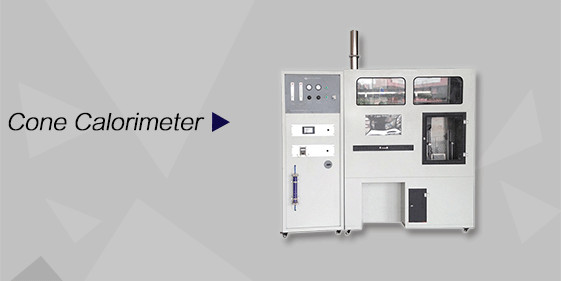
Cone Calorimeter
The import of American VTEC, cone calorimeter ultra high cost performance
more
-
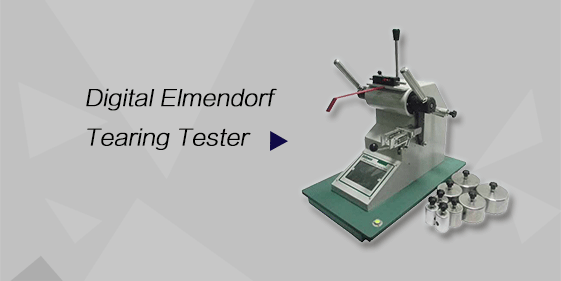
Digital Elmendorf Tearing Tester
Pendulum method test material tear strength, operating more simple, more accurate data
more
-
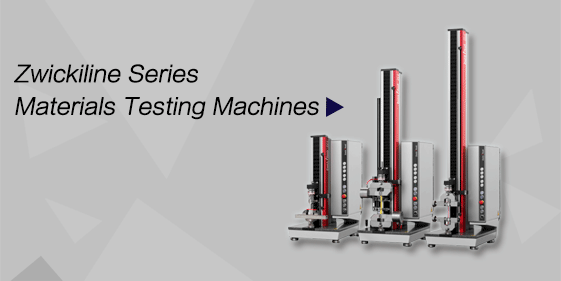
ZwickiLine Materials testing machines
Top of the world's leading universal material testing machine
more
Automotive seat frame durability tester
BACK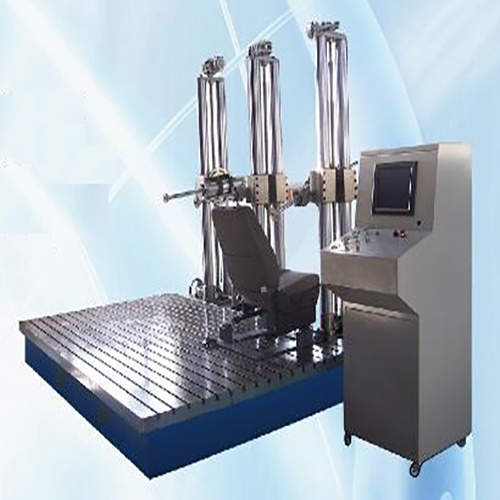


Standards:
Applications:
(1) Impact durability testing of complete automotive seat frames.
(2) Energy absorption performance evaluation of seat back structures.
(3) Impact strength testing of headrests and headrest support structures.
(4) Verification of seat frame performance under simulated vehicle collision conditions.
(5) Deceleration impact testing for seat systems during safety design validation.
(6) Comparative testing of different seat frame materials, welding structures, and reinforcement designs.
(7) R&D validation of newly developed seat frame structures and headrest designs.
(8) Quality consistency inspection for seat frames during mass production.
(9) Incoming inspection and supplier evaluation of seat frames and headrest assemblies.
(10) OEM internal certification testing and third-party laboratory compliance testing.
(11) Failure analysis and durability improvement testing after structural optimization.
Product Information:
The Automotive Seat Frame Durability Tester is a dedicated impact testing system used to evaluate the durability, impact strength, and energy absorption performance of automotive seat frames and headrests. The system simulates collision and rapid deceleration conditions to assess structural integrity and safety performance under dynamic impact loads.It is suitable for testing seat frames, seat backs, and headrest assemblies, and is widely used in automotive OEM validation, component development, quality control, and third-party safety testing laboratories.
Standards
(1) GB 11550-2009 – Automobile seat headrest performance requirements and test methods, including energy absorption testing (Appendix B).
(2) GB 15083-2006 – Automobile seats, seat fixers, and headrest strength requirements and test methods, including seat energy absorption tests (Appendix C).
(3) ECE R17 – Uniform provisions concerning the approval of seats, their anchorages, and head restraints.
(4) ECE R21 – Interior fittings impact safety requirements.
(5) ECE R80 – Strength requirements of seats and their anchorages for large passenger vehicles.
(6) OEM internal standards and enterprise technical specifications related to seat impact durability and safety performance.
Features
(1) Simulates vehicle collision and rapid deceleration conditions with adjustable impact speed.
(2) Impact head designed to replicate passenger head characteristics for realistic impact simulation.
(3) High measurement accuracy ensures reliable and repeatable test results.
(4) Impact arm adjustable in Z-direction and angle to accommodate various seat and headrest configurations.
(5) High-speed data acquisition system records impact velocity, acceleration, and deceleration in real time.
(6) Advanced data processing enables accurate analysis and test report generation.
(7) Robust mechanical structure ensures stable operation under repeated impact testing.
(8) Comprehensive safety protection including emergency stop and mechanical safeguards.
Parameters
| Parameter | Specification |
|---|---|
| Impact Speed | 25–30 km/h, adjustable |
| Impact Head Diameter | 165 mm |
| Equivalent Impact Mass | 6.8 kg |
| Impact Velocity Accuracy | ±1% |
| Acceleration Measurement Accuracy | ±3% |
| Impact Arm Adjustment | Adjustable in Z-direction and angle |
| Data Acquisition | High-speed recording of impact speed, acceleration, deceleration |
| Safety Protection | Emergency stop, protective net, mechanical safeguards |
Accessories
(1) Seat frame and headrest mounting fixtures.
(2) Impact head assembly.
(3) High-speed data acquisition and analysis software.
(4) Calibration tools and reference devices.
(5) Safety protection components.
Test Procedures
(1) Install the seat frame or headrest assembly securely on the test fixture.
(2) Adjust the impact arm position and angle according to the test requirement.
(3) Set the impact speed and test parameters via the control system.
(4) Perform the impact test under specified conditions.
(5) Automatically record impact velocity, acceleration, and deceleration data.
(6) Inspect the tested component for structural damage or deformation.
(7) Save and export test data and reports for analysis and documentation.
Maintenance Information
(1) Regularly inspect mechanical components, impact arm, and fixtures for wear or loosening.
(2) Keep sensors, impact head, and data acquisition components clean and properly secured.
(3) Perform periodic calibration of velocity and acceleration measurement systems.
(4) Check safety devices such as emergency stop and protective systems before operation.
(5) Lubricate moving parts according to the maintenance schedule.
(6) Store the equipment in a clean and dry environment when not in use.
