




Search keywords:
product name, product type, model number,
test method, manufacturer, technique, application
-
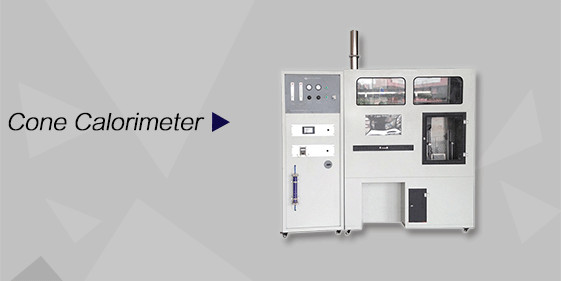
Cone Calorimeter
The import of American VTEC, cone calorimeter ultra high cost performance
more
-
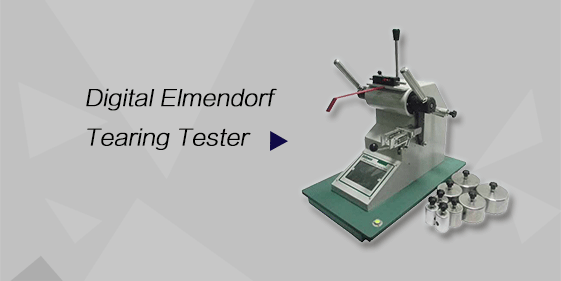
Digital Elmendorf Tearing Tester
Pendulum method test material tear strength, operating more simple, more accurate data
more
-
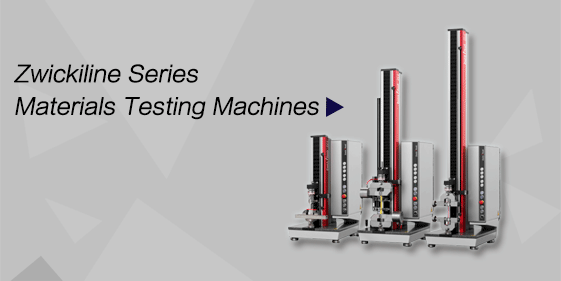
ZwickiLine Materials testing machines
Top of the world's leading universal material testing machine
more
Automotive Wire Puncture Tester
BACK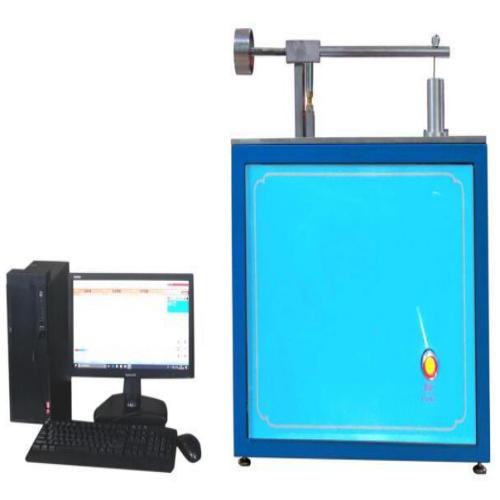


Standards:
SAE J1128-2005 – Automotive wire insulation strength and puncture resistance
Applications:
(1) Automotive wire production lines – monitor insulation strength during manufacturing.
(2) Research and development – verify insulation performance of new wire materials.
(3) Quality control – ensure each batch of wires meets SAE safety requirements.
(4) Certification testing – comply with automotive electrical wire standards.
(5) Electrical component testing – assess wires used in harnesses and control systems.
Product Information:
The Automotive Wire Puncture Tester is designed to evaluate the insulation strength of automotive wires. It is an essential testing instrument for manufacturers to ensure wire quality and compliance with safety standards.
Parameters
| Parameter | Specification |
|---|---|
| Applied Force Range | 12–20 kg, 1–200 kg |
| Force Application Speed | Adjustable via potentiometer or controlled automatically by software |
| Test Report | Generates test report files |
| Drive Type | Standard variable-speed motor or servo motor |
| Force Application Rate | 2.3 kg/min |
| Steel Rod Diameter | 3 mm |
| Test Voltage | 24 V |
| Detection Action Current | 5 mA |
| Power | 500 W |
| Power Supply | AC 220 V |
Features
(1) Precise force application for consistent puncture testing.
(2) Adjustable speed to accommodate different wire specifications.
(3) Automatic software control for repeatable testing and reporting.
(4) Generates detailed test reports for quality documentation.
(5) Supports both standard motor and servo-driven operation for flexibility.
Accessories
(1) Steel puncture rod (3 mm diameter)
(2) Sample clamps and holders
(3) Software package for test control and reporting
(4) Calibration weights
(5) Power cables and connectors
Test Procedures
(1) Mount the automotive wire sample securely in the test fixture.
(2) Set the required applied force range and speed.
(3) Start the test using either manual potentiometer or software control.
(4) Monitor the test progress; the device applies force until insulation puncture occurs.
(5) Record the applied force and test data.
(6) Generate a report file for documentation and analysis.
Maintenance Information
(1) Regularly inspect and clean the puncture rod.
(2) Check motor and drive system for smooth operation.
(3) Calibrate force application mechanism periodically.
(4) Keep software updated for accurate test reporting.
(5) Store device in a dry, dust-free environment.
Conclusion
The Automotive Wire Puncture Tester ensures reliable assessment of insulation strength for automotive wires, supporting production quality control, R&D evaluation, and compliance with SAE standards.
FAQ
(1) What is this product?
It is a tester for evaluating the insulation strength and puncture resistance of automotive wires.
(2) What is this product used for?
It measures whether automotive wires can withstand specified puncture forces, ensuring insulation reliability.
(3) What is the working principle of this product?
A controlled force is applied via a steel rod to the wire insulation until puncture occurs, with force and test data recorded automatically.
(4) Why is this product important?
It ensures automotive wires meet safety and performance requirements, preventing insulation failure in vehicles.
(5) What industries is this product suitable for?
Automotive wire manufacturing, electrical component production, R&D laboratories, and quality control facilities.
