




Search keywords:
product name, product type, model number,
test method, manufacturer, technique, application
-
Cone Calorimeter
The import of American VTEC, cone calorimeter ultra high cost performance
more
-
Digital Elmendorf Tearing Tester
Pendulum method test material tear strength, operating more simple, more accurate data
more
-
ZwickiLine Materials testing machines
Top of the world's leading universal material testing machine
more
Civil Aviation Aircraft Interior Non-metallic Materials Flame Retardant Property
BACK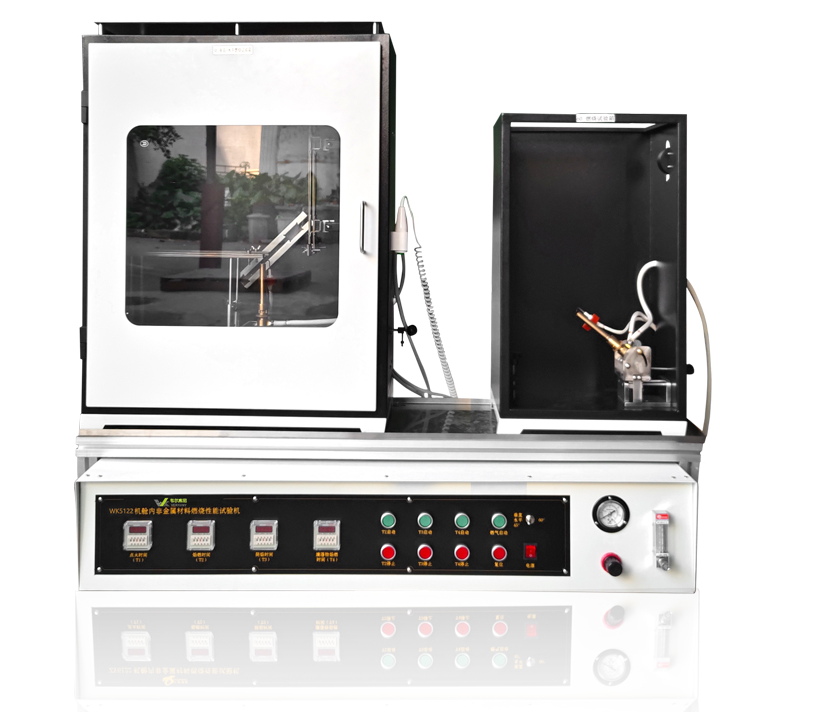


Standards:
Applications:
(1) Crew and Passenger Cabin Areas: Ceiling panels, interior walls, partitions, galley structures, cabinet linings, floor coverings, textiles (curtains/coverings), seat cushions, padding, coated fabrics (decorative/non-decorative), leather products, trays/kitchen equipment, electrical conduits, air ducts, joints/edge covers, cargo compartment linings, floor panels, cargo covers, transparent enclosures, molded/thermoformed components, duct joints/edge trims.
(2) Non-crew/Passenger Cargo Areas: Insulation blankets, cargo protective covers, tie-down equipment, containers, and ULDs for each cargo compartment.
Product Information:
The Civil Aviation Aircraft Interior Non-metallic Materials Flame Retardant Property Tester is designed for combustion performance testing of non-metallic materials used in aircraft cabins. It evaluates flame retardancy according to international and Chinese civil aviation standards, ensuring materials meet safety and airworthiness requirements.
Standards
FAR25.853 (FAA Airworthiness Standards for Transport Category Aircraft)
CCAR-25-R4.853 (Chinese Civil Aviation Regulations Appendix F Part I)
HB5469-2014 (Civil Aircraft Cabin Non-metallic Material Combustion Test Method)
HB5470-2014 (Civil Aircraft Cabin Non-metallic Material Combustion Performance Requirements)
RTCA/DO-160G Section G26.6.2/G26.6.3/G26.6.4 (Environmental Test Procedures)
Features
(1) Multi-functional modular system supporting vertical, horizontal, and inclined burning tests.
(2) High-precision Bunsen burner system with adjustable flame height and angles (0°/45°/60°/90°).
(3) Multi-phase timing system with 0.1s accuracy.
(4) Stainless steel fixtures with horizontal, vertical, and inclined orientations.
(5) Tempered glass observation window for safe monitoring of combustion behavior.
(6) Comprehensive measurement systems: calipers, K-type thermocouples, temperature meters, and backup stopwatch.
Key Parameters
| Parameter Category | Specifications |
|---|---|
| Test Types | Vertical burning, horizontal burning, 45° inclination, 60° inclination |
| Combustion Chamber | Multi-functional shared chamber for vertical/horizontal/45° tests; Independent 60° test chamber; Tempered glass observation window |
| Burner System | Bunsen burner: nozzle ID Ф9.5±0.1mm; vapor nozzle Ф0.9±0.03mm; air inlet height 100±10mm; dual burners; flame height 20–100mm (adjustable) |
| Timing System | Multi-phase timing: burning/drip flame/smothering; 0.1s accuracy; max 99.99h |
| Measurement Systems | Caliper 1.0mm resolution; K-type thermocouple 1.2–1.5mm; temperature meter 0–1000°C, 1°C resolution; backup stopwatch 0.1s precision |
| Fixture System | Stainless steel: horizontal, vertical, 45°/60° inclined frames |
Accessories
(1) Modular test fixtures (horizontal, vertical, inclined)
(2) Bunsen burners and burner nozzles
(3) Temperature sensors and thermocouples
(4) Control and timing system
(5) Combustion chamber observation window
Test Procedures
Sample Installation: Secure the non-metallic material sample on the corresponding fixture (horizontal, vertical, or inclined).
Parameter Setup: Adjust burner angle, flame height, and timing according to the test standard.
Ignition: Activate Bunsen burner; ensure flame contacts the sample at the correct height.
Timing and Observation: Monitor the combustion process through the tempered glass observation window, using multi-phase timing for burning, dripping, and smothering phases.
Data Recording: Record temperatures, flame duration, and material behavior using thermocouples, calipers, and the timing system.
Analysis: Evaluate flame spread, material performance, and compliance with FAR25.853. CCAR-25-R4.853. and related standards.
Post-Test: Remove sample, clean chamber, and reset the system for the next test.
Conclusion
This tester provides a reliable and standardized method to assess the flame retardant properties of aircraft cabin non-metallic materials. Its modular design, precise timing, adjustable burners, and observation capabilities ensure repeatable and safe testing compliant with international aviation safety standards.
FAQ
1. What is this product?
It is a laboratory tester for evaluating the flame retardant performance of non-metallic materials used in aircraft interiors.
2. What is this product used for?
To assess vertical, horizontal, and inclined flame spread and combustion behavior of cabin materials for compliance with civil aviation standards.
3. What is the working principle of this product?
The system exposes materials to controlled flame sources while measuring burning duration, flame spread, and material response using precise timing and temperature monitoring.
4. Why is this product important?
It ensures the safety and airworthiness of aircraft cabins by verifying that interior materials meet strict flame retardancy requirements.
5. What industries is this product suitable for?
Civil aviation manufacturers, aircraft maintenance and inspection facilities, material testing laboratories, and aviation safety regulatory bodies.
