




Search keywords:
product name, product type, model number,
test method, manufacturer, technique, application
-
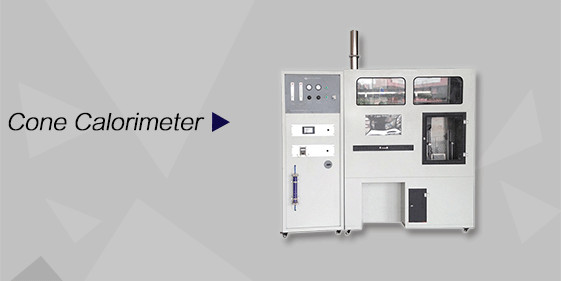
Cone Calorimeter
The import of American VTEC, cone calorimeter ultra high cost performance
more
-
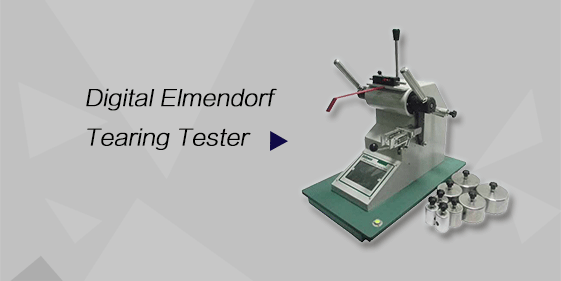
Digital Elmendorf Tearing Tester
Pendulum method test material tear strength, operating more simple, more accurate data
more
-
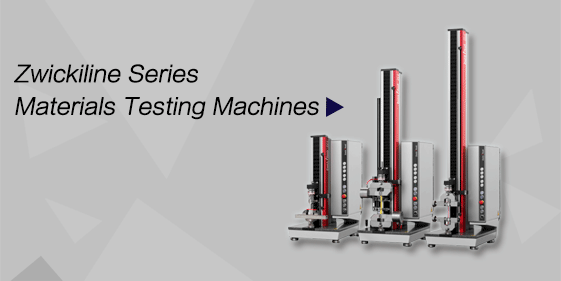
ZwickiLine Materials testing machines
Top of the world's leading universal material testing machine
more
New-Generation Xenotest 220 Xenon Arc Weathering Test Chamber
BACK

Standards:
The New-Generation Xenotest 220 Xenon Arc Weathering Test Chamber complies with the following standards: (AATCC TM16-2004) (AATCC TM169) (ISO 105-B02) (ISO 105-B04) (M&S C9) (M&S C9A) (GB/T 8427)
Applications:
The New-Generation Xenotest 220 Xenon Arc Weathering Test Chamber is suitable for large-volume light aging and weathering tests. Typical application areas include:
Lightfastness testing of dyed and printed textiles
Durability evaluation of textile fabrics under simulated sunlight
Weathering resistance testing of plastics and polymer materials (220+)
Exposure testing of coatings, paints, and surface finishes (220+)
Comparative aging analysis of color stability in materials
Quality control testing in textile manufacturing and supply chains
Product Information:
The New-Generation Xenotest 220 Xenon Arc Weathering Test Chamber is an economical and high-capacity xenon arc testing system designed primarily for textile lightfastness and weathering evaluation. As a cost-effective entry-level solution for rotating rack xenon arc testing, it supports simultaneous testing of a large number of specimens while maintaining compliance with widely recognized textile and material testing standards. The system combines controlled xenon light exposure, temperature, and humidity to deliver reliable and repeatable results for lightfastness and aging performance assessment.
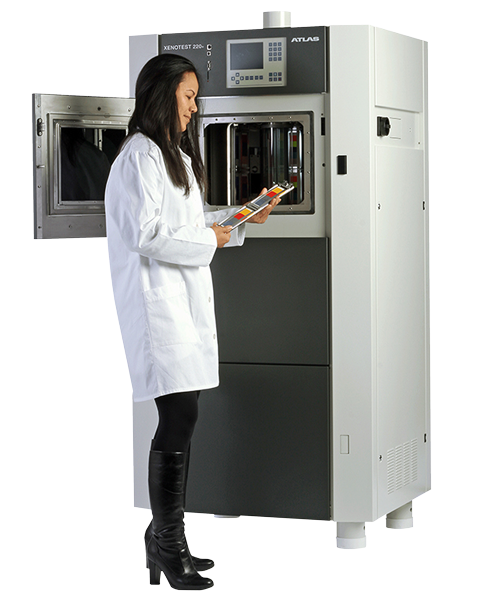
Parameters
| Item | Specification |
|---|---|
| Xenon Lamp Type | Air-cooled xenon arc lamp |
| Lamp Power | 2200 W (1 lamp) |
| Maximum Exposure Area | 2310 cm² |
| Test Positions | 38 |
| Specimen Size | 13.5 cm × 4.5 cm |
| Irradiance Control Range (300–400 nm) | 30–50 W/m² |
| Black Standard Temperature (BST) | 40–100 °C |
| Black Panel Temperature (BPT) | 40–95 °C |
| Chamber Air Temperature | Up to 65 °C |
| Relative Humidity (Light Cycle) | 20–85% |
| Water Tank Capacity | 60 L |
| Water Flow (Humidifier) | Approx. 0.12 L/h |
| Water Flow (Spray System) | Approx. 0.7 L/min |
| Dimensions (L × W × H) | 90 × 78 × 180 cm |
| Weight | 280 kg |
| Power Supply | 230 V ±10%, 50/60 Hz, 16 A |
Features
2200 W air-cooled xenon arc lamp providing stable full-spectrum light exposure
Large exposure area supporting high-throughput textile testing
Automatic irradiance control in the 300–400 nm wavelength range
Direct setting and control of black panel temperature, chamber temperature, and relative humidity
XENOSENSIV® specimen rack for measuring and controlling irradiance and black panel temperature at specimen level
Non-aging filter system compliant with ISO 105-B02 and AATCC TM16 requirements
Integrated 60 L water tank for humidity control and optional specimen spray, with automatic refill
User-friendly color touchscreen interface with multilingual support
Storage of up to 10 user-defined test programs
Test termination based on total exposure, light time, or operating time
Advanced automatic start function and integrated data memory
Data transfer via RS-232 interface, memory card, or Ethernet connection
UV-protected chamber observation window
Accessories
(1) Main test chamber unit
(2) Textile testing spare parts kit
(3) Testing software (xenosoft & xeno touch)
Test Procedures
Install the xenon arc lamp, filter system, and specimen racks according to the selected test standard.
Mount textile or material specimens securely on the specimen holders, ensuring correct positioning.
Select a predefined standard test method or configure a user-defined program, including irradiance, temperature, and humidity settings.
Define test end conditions based on total exposure, light exposure time, or total operating time.
Start the test and monitor operating parameters via the touchscreen interface.
After test completion, remove specimens for visual assessment or further physical evaluation.
Maintenance Information
Routine maintenance includes inspection of the xenon lamp and air-cooling system, verification of irradiance control using calibration devices, and periodic checking of the filter system to ensure compliance with relevant standards. Water quality and water levels in the integrated tank should be monitored regularly to maintain stable humidity and spray performance. Built-in diagnostics and stored system data assist in maintenance planning and performance verification.
FAQ
1. What types of materials are best suited for testing with the Xenotest 220?
The Xenotest 220 is primarily designed for large-volume textile lightfastness testing and is widely used for evaluating dyed and printed fabrics. Its rotating rack system, large exposure area, and compliance with ISO and AATCC textile standards make it particularly suitable for routine quality control and comparative testing in textile production. The Xenotest 220+ variant extends applicability to plastics, coatings, and other non-textile materials while maintaining the same core testing principles.
2. How does the Xenotest 220 achieve consistent irradiance control during testing?
Irradiance is automatically controlled within the 300–400 nm wavelength range using an integrated control system combined with the XENOSENSIV® specimen rack. This system measures irradiance directly at specimen level and adjusts lamp output accordingly. By controlling light intensity where the samples are exposed, the system improves test repeatability and ensures compliance with standardized exposure requirements.
3. What test termination options are available on the Xenotest 220?
The Xenotest 220 allows tests to be completed based on total radiant exposure, accumulated light exposure time, or total operating time. This flexibility supports different standard methods and internal testing protocols. Users can select the most appropriate termination criterion depending on whether the focus is cumulative light dosage, exposure duration, or overall test runtime.
4. What data handling and connectivity options are supported?
Test data are stored internally using an integrated memory chip and can be transferred via RS-232 interface or memory card. In addition, the Ethernet interface allows connection to internal networks and supports optional XenoTouch add-ons for remote control, email notifications, and online monitoring, improving traceability and operational efficiency.
