




Search keywords:
product name, product type, model number,
test method, manufacturer, technique, application
-
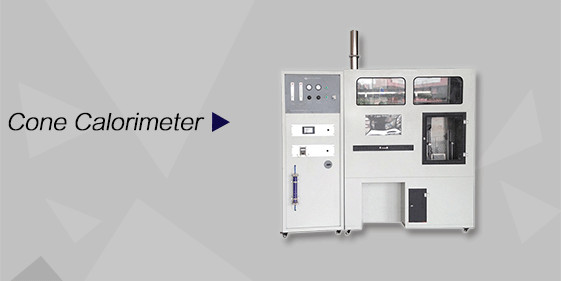
Cone Calorimeter
The import of American VTEC, cone calorimeter ultra high cost performance
more
-
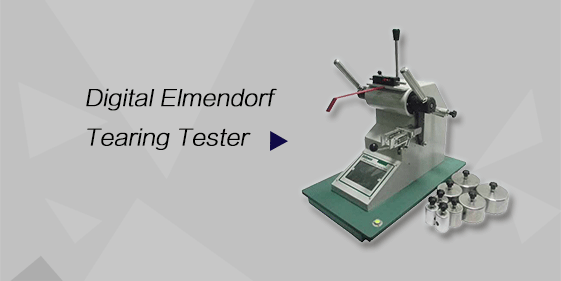
Digital Elmendorf Tearing Tester
Pendulum method test material tear strength, operating more simple, more accurate data
more
-
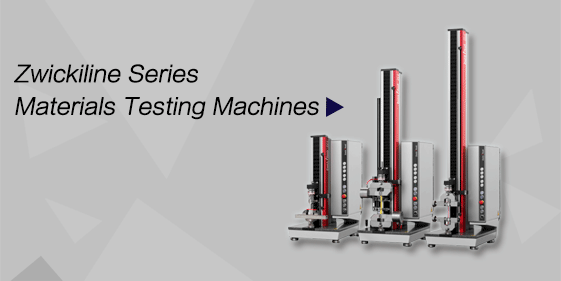
ZwickiLine Materials testing machines
Top of the world's leading universal material testing machine
more
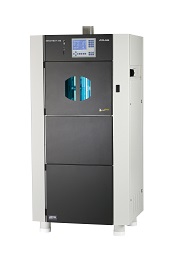
New-Generation Xenotest 440 Xenon Arc Weathering Test Chamber
BACK

Standards:
The New-Generation Xenotest 440 Xenon Arc Weathering Test Chamber complies with the following international and industry standards: (ISO 105-B02) (ISO 105-B04) (ISO 105-B06) (ISO 105-B10) (ISO 4892-2) (ISO 11341) (ISO 16474-2) (GB/T 8427) (AATCC TM16.1-2012. Options 1. 2. 3) (AATCC TM169. Options 2 & 3) (VDA 75202)
Applications:
The New-Generation Xenotest 440 Xenon Arc Weathering Test Chamber is suitable for accelerated light aging and weathering evaluation of various materials. Typical application areas include:
Lightfastness testing of textiles and dyed fabrics
Weathering resistance evaluation of plastics and polymer materials
Durability testing of coatings, paints, and surface finishes
Comparative aging analysis of automotive interior and exterior components
Exposure testing of industrial materials requiring high UV irradiance
Quality control and research testing under standardized xenon arc conditions
Product Information:
The New-Generation Xenotest 440 Xenon Arc Weathering Test Chamber is a highly versatile xenon arc weathering system designed for efficient and economical testing of a wide range of materials. Featuring the innovative XenoLogic™ dual-lamp operating technology, the Xenotest 440 delivers exceptionally high irradiance levels of up to 120 W/m² across the full UV range while simultaneously extending lamp service life. This combination of performance and durability makes the Xenotest 440 a powerful solution for accelerated weathering and lightfastness testing under controlled laboratory conditions.
Parameters
| Item | Specification |
|---|---|
| Xenon Lamp Type | Air-cooled xenon arc lamps |
| Lamp Power | 2 × 2200 W |
| Maximum Exposure Area | 2310 cm² |
| Test Positions | 38 / 33 / 22 / 11 |
| Specimen Sizes | 13.5 × 4.5 cm; 10.0 × 6.8 cm; 13.5 × 5.5 cm; 29.5 × 7.0 cm |
| Irradiance Range (300–400 nm) | 30–120 W/m² |
| Black Standard Temperature (BST) | 40–115 °C |
| Black Panel Temperature (BPT) | 40–110 °C |
| Chamber Air Temperature (CHT) | Up to 65 °C |
| Relative Humidity (Light Cycle) | 10–75% |
| Water Tank Capacity | 60 L |
| Water Flow (Humidifier) | Approx. 0.12 L/h |
| Water Flow (Spray System) | Approx. 0.7 L/min |
| Control System | Automatic BST + CHT control |
| Dimensions (L × W × H) | 90 × 78 × 180 cm |
| Weight | 290 kg |
| Power Supply | 400 V ±10%, 50/60 Hz, 32 A |
Features
Two 2200 W air-cooled xenon arc lamps for high-intensity full-spectrum UV exposure
XenoLogic™ dual-lamp operating technology enabling irradiance up to 120 W/m²
Extended lamp lifetime exceeding 4000 operating hours at standard test levels of 40–60 W/m²
Large exposure area supporting multiple specimen configurations
Direct control of irradiance, black standard temperature, chamber temperature, and relative humidity
XENOSENSIV® RC-34 BST system for measuring and controlling irradiance and black standard temperature at specimen level
Ultrasonic humidification system for stable humidity control during light cycles
Integrated 60 L water tank for humidity regulation and specimen spray, with automatic refill
Rotating specimen rack supporting multiple specimen sizes and quantities
Color touchscreen interface with multilingual user support
Storage of up to 10 user-defined test programs
Integrated diagnostics and internal memory for test data storage
Data output via memory card, RS-232 interface, or Ethernet
UV-protected chamber observation window and specialized UV filter sleeves
Accessories
(1) Main test chamber unit
(2) Textile testing spare parts kit
(3) Specimen spray system
Test Procedures
Install the xenon lamps, filter sleeves, and specimen racks according to the selected test method.
Mount specimens securely in the rotating rack, ensuring correct spacing and orientation.
Select a preprogrammed standard test or define a user-specific program, including irradiance, temperature, and humidity settings.
Configure test termination criteria based on exposure dose, light exposure time, or operating duration.
Start the test and monitor system parameters via the touchscreen control panel.
Upon completion, remove specimens for visual inspection or further performance evaluation.
Maintenance Information
Maintenance procedures include regular inspection of xenon lamps and verification of irradiance using appropriate calibration devices. The XenoLogic™ lamp system should be monitored to ensure optimal operating hours and consistent output. Water levels and water quality in the integrated tank must be checked routinely to maintain stable humidity and spray performance. Diagnostic messages stored in the internal memory support timely maintenance and reliable long-term operation.
FAQ
1. What makes the Xenotest 440 suitable for high-irradiance weathering tests?
The Xenotest 440 uses XenoLogic™ dual-lamp operating technology, which allows the system to reach irradiance levels up to 120 W/m² in the 300–400 nm wavelength range. This high UV output enables accelerated testing while maintaining stable exposure conditions. At the same time, the dual-lamp configuration distributes operating load between lamps, supporting consistent performance across extended test durations.
2. How does XenoLogic™ technology extend xenon lamp service life?
XenoLogic™ technology optimizes the operation of two xenon lamps by alternating and balancing their usage. Under standard test conditions of 40–60 W/m², this approach allows the lamps to operate for more than 4000 hours. Extended lamp life reduces maintenance frequency and operating costs while preserving stable irradiance and reproducible test conditions throughout long-term testing programs.
3. What specimen configurations are supported by the Xenotest 440?
The Xenotest 440 supports multiple specimen sizes and configurations through its rotating specimen rack. Depending on specimen dimensions, the chamber accommodates 38. 33. 22. or 11 test positions. This flexibility allows efficient testing of textiles, plastics, coatings, and automotive materials within the same system while maintaining uniform exposure conditions.
4. How are temperature and humidity controlled during testing?
Temperature control includes direct regulation of black standard temperature, black panel temperature, and chamber air temperature, with optional dual control modes reaching up to 115 °C. Relative humidity during light cycles is controlled between 10% and 75% using an ultrasonic humidification system. These combined controls ensure stable environmental conditions aligned with international test standards.
