




Search keywords:
product name, product type, model number,
test method, manufacturer, technique, application
-
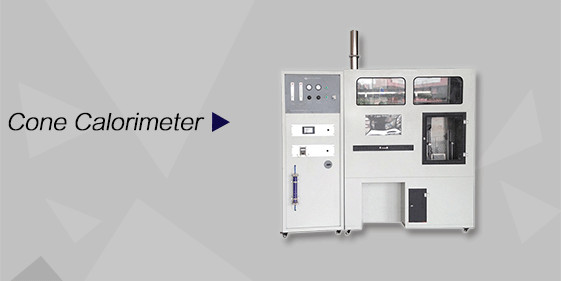
Cone Calorimeter
The import of American VTEC, cone calorimeter ultra high cost performance
more
-
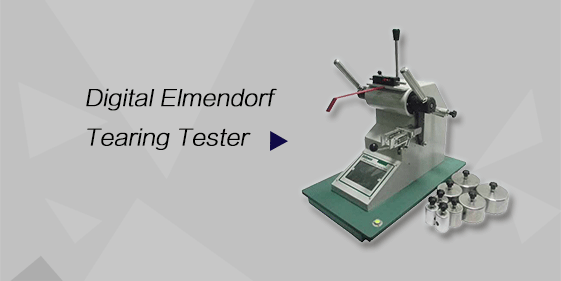
Digital Elmendorf Tearing Tester
Pendulum method test material tear strength, operating more simple, more accurate data
more
-
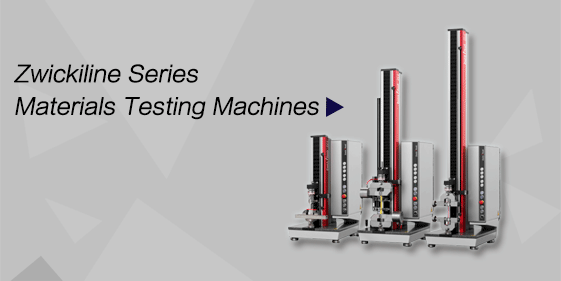
ZwickiLine Materials testing machines
Top of the world's leading universal material testing machine
more
SI220 Air-Cooled Xenon Arc Weathering Test Chamber
BACK

Standards:
The SI220 complies with the following international and national standards: GB/T 8427 (Textiles — Tests for color fastness — Color fastness to artificial light: Xenon arc) GB/T 12831 (Vulcanized rubber — Artificial climate aging test method using xenon lamp) AATCC TM16 (Colorfastness to light — Xenon arc method for simulating natural daylight) AATCC TM169 (Weather resistance and lightfastness of textiles exposed to simulated sunlight using xenon arc) ISO 105-B02 (Textiles — Tests for colour fastness — Part B02: Colour fastness to artificial light: Xenon arc fading lamp test) ISO 105-B04 (Textiles — Tests for colour fastness — Part B04: Colour fastness to artificial weathering: Xenon arc fading lamp test) ISO 12040 (Graphic technology — Prints and printing inks — Assessment of lightfastness using filtered xenon arc light) ISO 4892-1 (Plastics — Methods of exposure to laboratory light sources — Part 1: General guidance)
Applications:
The SI220 is suitable for laboratory testing, quality control, and research applications involving light exposure and artificial weathering.
Typical application scenarios include:
Evaluation of light colorfastness of dyed and finished textiles
Assessment of color stability and performance change of textile dyes under simulated sunlight
Artificial weathering and aging testing of rubber and polymeric materials
Comparative testing of materials under controlled temperature, humidity, and irradiation conditions
Applicable test products include:
Woven and knitted fabrics
Dyed yarns and textile composites
Vulcanized rubber and elastomer products
Printed materials and coated substrates requiring lightfastness evaluation
Product Information:
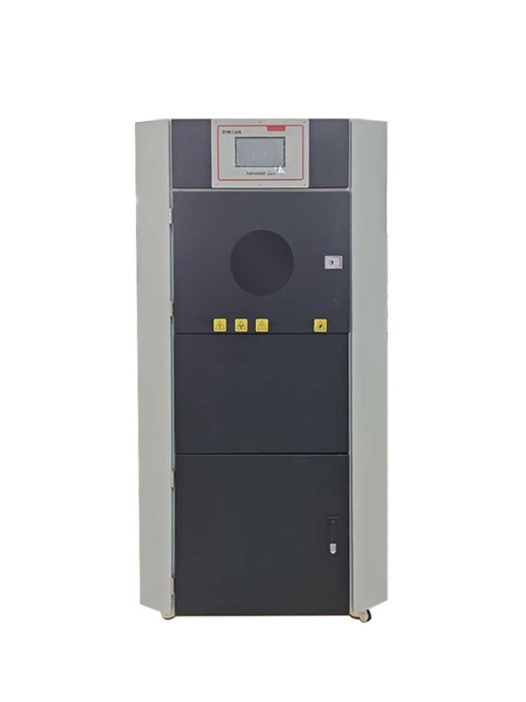
SI220 Air-Cooled Xenon Arc Weathering Test Chamber (Textile Light Colorfastness Tester) is designed to evaluate the light colorfastness and aging performance of textiles and other materials by simulating ideal natural sunlight and climatic conditions using a xenon arc light source. The chamber accurately reproduces full-spectrum daylight combined with controlled temperature, humidity, and water spray conditions, enabling reliable assessment of color change, fading behavior, and material durability. With high repeatability and reproducibility, the SI220 provides precise data for predicting product service life under natural exposure conditions.
Parameters
| Parameter | Specification |
|---|---|
| Operation Mode | Automatic |
| Exposure Area | 2310 cm² |
| Filters | Replaceable optical filters |
| Irradiance Control | Single-point automatic control at 420 nm or 300–400 nm; optional second-point monitoring |
| Specimen Rack Type | Double-layer |
| Rack Rotation Speed | 1 RPM, adjustable |
| Number of Test Positions | 38 |
| Specimen Size | 13.5 cm × 4.5 cm |
| Humidity Range (Light Cycle) | 20–85% |
| Irradiance Range (300–400 nm) | 30–50 W/m² |
| Humidification | Deionized water, 0.12 L/min |
| Specimen Spray | Deionized water, 0.7 L/min (optional) |
| Rack Spray | Deionized water, 0.7 L/min |
| Light Source | 2200 W air-cooled xenon lamp |
| Water Tank Capacity | 60 L |
| Air Flow Rate | 0.11 m³/min |
| Chamber Temperature | 25–100 °C |
| Relative Humidity Control | Automatic |
| Humidity Range | Light cycle: 10–75%; Dark cycle: 10–100% |
| Temperature Control | Automatic |
| Black Panel / Black Standard Temperature | BPT 40–95 °C / BST 40–100 °C |
| Simultaneous Control of BPT/BST and Chamber Temperature | Standard |
| Dual BPT/BST Control | Optional |
| Power Supply | 380 V / 220 V, 50 Hz |
| Weight | 350 kg |
| Dimensions (W × D × H) | 800 mm × 800 mm × 1900 mm |
Features
Full-spectrum xenon arc light source combined with adjustable temperature, humidity, and spray functions to simulate natural climate and artificial daylight conditions
Air-cooled xenon lamp system with optical energy feedback control, irradiance monitoring, humidity loop control, and black panel temperature control
Multi-point energy monitoring and reliable deionized water system to ensure stable test conditions and long-term operational reliability
Interchangeable filter combinations enable simulation of different sunlight spectra and testing requirements
High test repeatability and reproducibility, allowing stable test conditions to be achieved in a short time
Accessories
Standard Configuration
(1) 420 nm irradiance control system
(2) Optical filter set
(3) Black panel temperature monitoring device
(4) Black standard thermometer
(5) Xenon lamp
(6) Specimen holders / sleeves
Optional Accessories
(1) AATCC gray scale for color change (1 pc)
(2) ISO gray scale for color change (1 pc)
(3) AATCC blue wool standard set
(4) ISO blue wool standard set
(5) UV rear window glass filter system for testing at 320 nm
(6) Air compressor
(7) Ultra-pure water system
Test Procedures
Prepare specimens according to the applicable standard and mount them securely on the double-layer specimen rack.
Select the appropriate optical filter and irradiance control wavelength based on the test method.
Set test parameters including irradiance level, temperature, humidity, spray cycle, and rack rotation speed.
Fill the water system with deionized water and ensure proper operation of humidification and spray systems.
Start the test and allow the chamber to reach stable light and climatic conditions.
Conduct exposure cycles under simulated sunlight and environmental conditions as specified by the selected standard.
After completion of the test duration, remove specimens and evaluate color change, fading, or aging performance using relevant assessment methods.
Maintenance Information
Regularly inspect the xenon lamp and replace it according to usage conditions to maintain consistent spectral output
Ensure the deionized water system remains clean to prevent scale formation and spray system blockage
Periodically verify irradiance, temperature, and humidity control accuracy
Clean optical filters and specimen holders to avoid contamination affecting test accuracy
FAQ
1. What is the primary purpose of the SI220 Xenon Arc Weathering Test Chamber?
The SI220 is designed to evaluate textile light colorfastness and material aging performance by simulating natural sunlight and controlled climatic conditions using a xenon arc light source. By reproducing full-spectrum daylight along with temperature, humidity, and water spray, the chamber allows accurate assessment of color fading, performance change, and durability. This makes it suitable for predicting product service life under real environmental exposure conditions while maintaining high test repeatability and reproducibility.
2. How does the SI220 ensure accurate simulation of natural sunlight?
The chamber uses a 2200 W air-cooled xenon lamp combined with interchangeable optical filters and irradiance feedback control. This configuration enables precise control of irradiance at 420 nm or within the 300–400 nm range, closely matching the spectral distribution of natural sunlight. Multi-point energy monitoring and stable airflow further contribute to consistent and reliable light exposure throughout the test area.
3. What environmental parameters can be controlled during testing?
The SI220 provides automatic control of temperature, relative humidity, irradiance, and water spray. Chamber temperature can be set from 25 °C to 100 °C, while humidity is adjustable across different ranges for light and dark cycles. Black panel or black standard temperatures can also be controlled, allowing comprehensive simulation of various climatic conditions specified by international test standards.
4. What types of materials can be tested with the SI220?
The chamber is suitable for testing textiles, dyes, vulcanized rubber, and other materials requiring evaluation of lightfastness or artificial weathering performance. It is also applicable to printed materials and coated substrates where resistance to light exposure and environmental aging must be assessed under standardized laboratory conditions.
