




Search keywords:
product name, product type, model number,
test method, manufacturer, technique, application
-
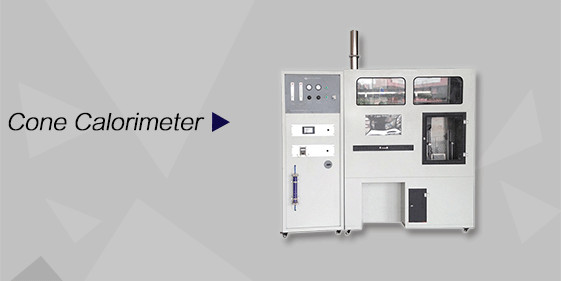
Cone Calorimeter
The import of American VTEC, cone calorimeter ultra high cost performance
more
-
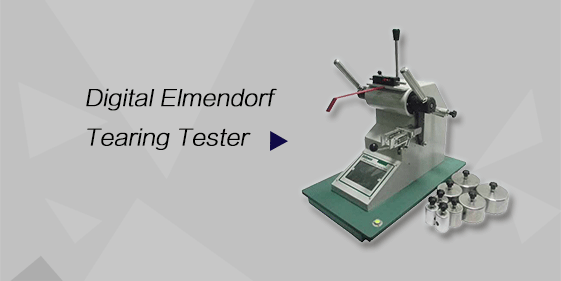
Digital Elmendorf Tearing Tester
Pendulum method test material tear strength, operating more simple, more accurate data
more
-

ZwickiLine Materials testing machines
Top of the world's leading universal material testing machine
more
SI4000 Xenon Arc Weathering Test Chamber
BACK

Standards:
The SI4000 is designed and manufactured in accordance with the following standards: GB/T 2424.14-1995 (Environmental testing for electric and electronic products — Part 2: Guidance for solar radiation tests) GB/T 8427-2008 (Textiles — Tests for color fastness — Color fastness to artificial light: Xenon arc) GB/T 8430-1998 (Textiles — Tests for color fastness — Color fastness to artificial weathering: Xenon arc) GB/T 2423.24-1995 (Environmental testing for electric and electronic products — Simulated solar radiation at ground level) GB/T 16422.2-1999 (Plastics — Methods of exposure to laboratory light sources — Part 2: Xenon arc lamps) GB/T 1865-2009 (Paints and varnishes — Artificial weathering and exposure to artificial radiation — Filtered xenon arc radiation) GB/T 12831-1991 (Vulcanized rubber — Artificial climate aging test method using xenon lamp) GB/T 5137.3-1996 (Automotive safety glazing — Resistance to radiation, high temperature, humidity, fire, and simulated climate) GB/T 16259-1996 (Artificial accelerated color aging test method for colored architectural materials) JASO M346 (Automotive interior materials — Accelerated weathering test using xenon arc lamp) ASTM G155. ISO 105-B02 / ISO 105-B04 (related xenon arc weathering standards)
Applications:
The SI4000 is suitable for accelerated weathering and light aging evaluation in laboratory testing, product development, and commercial inspection environments.
Typical application scenarios include:
Accelerated weathering evaluation of polymeric materials under simulated sunlight and climate conditions
Assessment of color fading and appearance change caused by long-term light exposure
Durability testing of materials subjected to combined effects of radiation, temperature, and humidity
Comparative testing for material selection and product performance verification
Applicable test products include:
Plastics and polymer-based materials
Textile materials and dyed fabrics
Rubber and elastomer components
Coatings, paints, and varnishes
Automotive interior materials and safety glass
Colored architectural materials
Product Information:
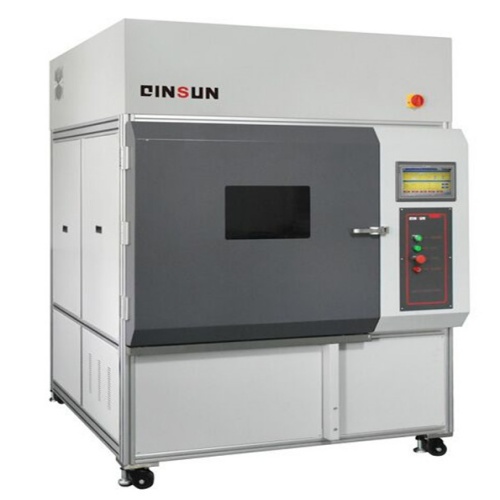
SI4000 Xenon Arc Weathering Test Chamber uses a xenon arc lamp as the light source to accurately simulate full-spectrum natural sunlight. By precisely controlling temperature, humidity, and periodic water spray on test specimens, the chamber comprehensively evaluates the combined effects of light, moisture, and heat on polymeric materials. It is designed to assess material aging phenomena such as fading, loss of gloss, strength reduction, cracking, peeling, chalking, and oxidation, providing reliable and repeatable data for durability and weathering performance evaluation.
Parameters
| Parameter | Specification |
|---|---|
| Specimen Rack | Three-layer rotating rack, up to 65 specimen holders |
| Specimen Holder Size | 70 × 150 mm |
| Exposure Area | 6500 cm² |
| Xenon Lamp Installation | Quick-install lamp design |
| Light Source | Imported 6500 W long-arc water-cooled xenon lamp |
| Lamp Lifetime | ≥1500 h |
| Lamp Filters | Interchangeable inner and outer filters |
| Spray System | Front and rear specimen spray |
| Controller | Microcomputer controller with LCD touchscreen |
| Programming Capacity | Large-capacity programmable control (preset or user-defined) |
| Irradiance Control | Closed-loop control at 340 nm, 420 nm, and 300–400 nm |
| Black Panel / Black Standard Temperature | BPT 40–110 °C / BST 40–120 °C |
| Chamber Temperature (Dry Bulb) | 25–80 °C |
| Circulation Fan | Automatic speed control |
| Display Interface | Chinese / English bilingual, color graphical display |
| Humidity Control | Direct setting with closed-loop control |
| Humidity Range | Light cycle: 10–75% (temperature dependent); Dark cycle: up to 95% |
| Diagnostic Function | LCD self-diagnosis and alarm prompts |
| Cooling System | Xenon lamp cooling system with water heat exchanger |
| Chamber Material | 316 stainless steel, door with observation window |
| Power Supply | 380 V, 3-phase, 4-wire, 50 Hz, 52 A |
| Compressed Air | 0.11 m³/min (max. 4 CFM) @ 552 kPa (80 psi) |
| Dimensions (L × W × H) | 1500 × 1400 × 2200 mm |
| Weight | 550 kg |
| Operating Environment | 15–30 °C, 10–85% RH, non-corrosive environment |
Features
Large specimen capacity with up to 65 samples per test, suitable for commercial testing and R&D applications
Three-layer rotating drum specimen rack improves exposure uniformity across all samples
Full compliance with major global xenon arc weathering and lightfastness standards
Dual irradiance control capability based on different solar reference standards, with optional second wavelength monitoring
Intelligent lamp monitoring system ensures stable light output and consistent test conditions
Advanced chamber control system compensates for laboratory environmental fluctuations, reducing variability in temperature and humidity
Precise humidity simulation to meet stringent international testing requirements
Support for ASTM black panel thermometer and ISO/DIN black standard thermometer to ensure accurate specimen temperature control
Intuitive LCD touchscreen interface for programming, monitoring, calibration, and data visualization
Accessories
(1) SI4000 main chamber
(2) Specimen holders (70 × 150 mm), 65 pcs
(3) Irradiance sensor for 420 nm, 340 nm, and 300–400 nm control
(4) Black panel temperature sensor (BPT 40–110 °C)
(5) Inner and outer optical filters
(6) Imported 6500 W water-cooled xenon lamp
(7) Three-layer rotating drum specimen rack system
(8) Water cooling, spray, and humidification system
(9) Ultra-pure water system
(10) Chiller
(11) Operation manual
Test Procedures
Prepare specimens according to the selected standard and mount them on the three-layer rotating specimen rack using appropriate holders.
Install the xenon lamp and select suitable inner and outer optical filters based on test requirements.
Set irradiance wavelength, irradiance level, black panel or black standard temperature, chamber temperature, humidity, and spray parameters.
Fill the water system with ultra-pure water and ensure proper operation of spray, humidification, and cooling systems.
Start the test and allow the chamber to reach stable irradiance and environmental conditions.
Conduct exposure cycles with programmed light, moisture, and temperature conditions.
After completing the specified test duration, remove specimens and evaluate aging effects such as color change, gloss loss, cracking, or surface degradation.
Maintenance Information
Regularly inspect and maintain the xenon lamp cooling and water circulation systems to ensure stable operation
Replace xenon lamps according to usage hours to maintain consistent spectral output
Clean optical filters, specimen holders, and spray nozzles to prevent contamination or blockage
Periodically verify irradiance, temperature, and humidity control accuracy
Ensure the chamber operates within the recommended environmental conditions to maintain long-term reliability
FAQ
1. What types of aging effects can be evaluated using the SI4000 Xenon Arc Weathering Test Chamber?
The SI4000 is designed to evaluate a wide range of material aging effects caused by combined exposure to sunlight, moisture, and temperature. These effects include color fading, loss of gloss, reduction in mechanical strength, surface cracking, peeling, chalking, and oxidation. By simulating full-spectrum sunlight and periodic precipitation under controlled conditions, the chamber provides comprehensive insight into long-term environmental durability.
2. How does the SI4000 ensure uniform exposure for all specimens?
Uniform exposure is achieved through a three-layer rotating drum specimen rack combined with controlled airflow and precise irradiance feedback control. The rotating rack continuously changes the position of each specimen relative to the xenon light source, minimizing exposure differences. This design significantly improves test repeatability and reproducibility, especially when testing a large number of samples simultaneously.
3. Which irradiance wavelengths can be controlled during testing?
The SI4000 supports direct setting and closed-loop control of irradiance at 340 nm, 420 nm, and within the 300–400 nm range. This flexibility allows the chamber to meet different international standard requirements and simulate various solar radiation conditions. Optional second-wavelength monitoring further enhances compliance with global weathering test specifications.
4. What materials are suitable for testing in the SI4000?
The chamber is suitable for plastics, textiles, rubber, coatings, paints, varnishes, automotive interior materials, safety glass, and colored architectural materials. It is designed to evaluate both appearance changes and physical degradation under accelerated artificial weathering conditions.
