




Search keywords:
product name, product type, model number,
test method, manufacturer, technique, application
-
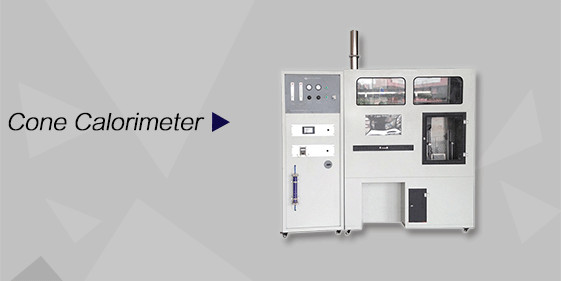
Cone Calorimeter
The import of American VTEC, cone calorimeter ultra high cost performance
more
-
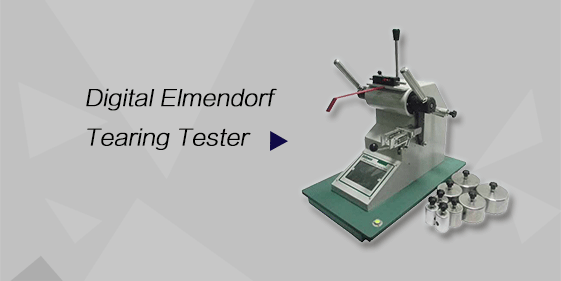
Digital Elmendorf Tearing Tester
Pendulum method test material tear strength, operating more simple, more accurate data
more
-
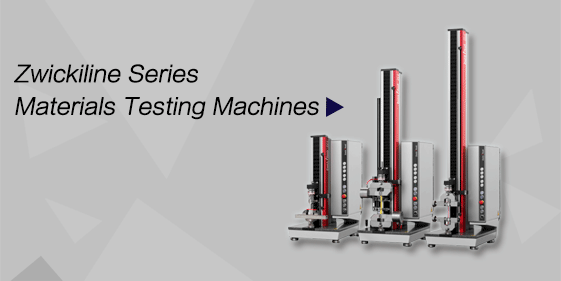
ZwickiLine Materials testing machines
Top of the world's leading universal material testing machine
more
SI80 Carbon Arc Weathering Test Chamber
BACK

Standards:
The test chamber complies with the following international and industry standards: JIS B 7753 (Daylight carbon arc lamp test for lightfastness and weather resistance) ISO 4892-4 (Plastics — Methods of exposure to laboratory light sources — Part 4: Open-flame carbon arc lamps) JIS A 1415 (Methods of exposing polymeric building materials to laboratory light sources) ASTM G23 (Standard practice for operating light-exposure apparatus with and without water for exposure of nonmetallic materials)
Applications:
The SI80 Carbon Arc Weathering Test Chamber is suitable for accelerated weathering evaluation of materials exposed to outdoor sunlight, indoor artificial light, or humid environments. Typical application scenarios include:
Performance verification during material research and development
Routine quality control in manufacturing processes
Comparative weatherability testing in independent laboratories
Compliance testing for standards-based durability assessment
Typical test specimens include, but are not limited to:
Plastics and polymer-based materials
Architectural polymer materials
Coated and uncoated non-metallic components
Materials sensitive to light-induced aging and moisture exposure
Product Information:
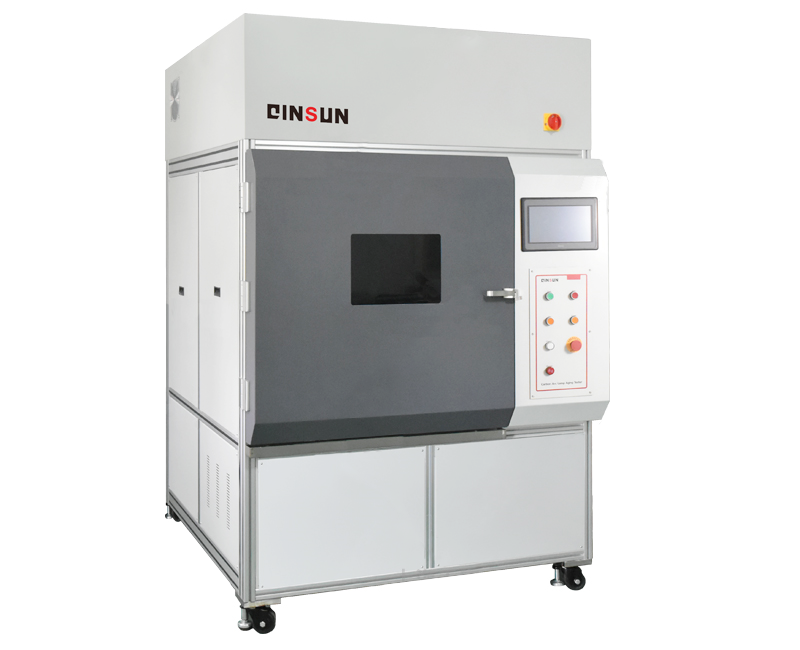
SI80 Carbon Arc Weathering Test Chamber is a laboratory weathering test system designed to evaluate the light resistance and weatherability of non-metallic materials under accelerated carbon arc exposure. By igniting carbon rods with alternating current to generate a stable arc light source, and combining optical filtering with controlled water spray, the chamber produces radiation energy higher than natural sunlight. This enables accelerated simulation of outdoor sunlight and rainfall conditions, allowing materials to be assessed efficiently for color change, aging, and physical property degradation caused by long-term environmental exposure.
Parameters
| Item | Specification |
|---|---|
| Control Mode | Automatic |
| Continuous Carbon Arc Lighting Time | 78 h |
| Carbon Arc Discharge Voltage | 50 V ±2 V |
| Carbon Arc Discharge Current | 60 A ±2 A |
| Irradiance at Sample Surface | 255 W/m² |
| Black Panel Temperature | 63 ℃ ±3 ℃ or 83 ℃ ±3 ℃ |
| Water Spray Pressure | 0.08–0.13 MPa |
| Water Flow Rate | 2100 ml/min ±100 ml |
| Water Temperature | 16 ℃ ±5 ℃ |
| Chamber Humidity | 50 %RH ±5 %RH |
| Specimen Size | 150 mm × 70 mm |
| Maximum Number of Specimens | 76 |
| Specimen Rack Rotation Speed | 1 RPM |
| Specimen Rack Diameter | 960 mm ±6 mm |
| Distance from Arc Center to Specimen Surface | 480 mm ±3 mm |
| Power Supply | 380 V, 50 Hz |
| Weight | 375 kg |
| Overall Dimensions (L × W × H) | 165 cm × 150 cm × 220 cm |
Features
Carbon arc light source produces irradiance higher than natural sunlight, enabling effective accelerated weathering evaluation
Integrated optical filtering system generates a spectral distribution comparable to solar radiation across multiple wavelength bands
Built-in water spray system allows simultaneous simulation of sunlight exposure and rainfall conditions
Stable arc voltage and current are maintained through automatic carbon rod movement control, ensuring test repeatability and data consistency
Accessories
(Carbon arc lamp assembly)
(Optical filter system)
(Automatic water spray device)
(Specimen rotating rack)
Test Procedures
Prepare specimens according to applicable standards and mount them evenly on the rotating specimen rack.
Set test parameters including black panel temperature, irradiation conditions, water spray cycle, and chamber humidity.
Ignite the carbon arc lamp and allow the system to stabilize to the specified operating conditions.
Conduct continuous exposure with or without water spray according to the selected test standard.
After completion of the test duration, remove specimens and evaluate changes in appearance and physical properties as required.
Maintenance Information
Regularly inspect carbon rods and replace them according to operating hours and consumption condition.
Ensure optical filters are clean and free from contamination to maintain correct spectral output.
Check water spray nozzles, pressure, and flow rate periodically to ensure uniform rainfall simulation.
Verify electrical connections and control systems to maintain stable arc voltage and current during operation.
FAQ
1. What type of weathering simulation does the SI80 Carbon Arc Weathering Test Chamber provide?
The SI80 Carbon Arc Weathering Test Chamber simulates accelerated weathering conditions by using a carbon arc light source that produces irradiance levels higher than natural sunlight. After passing through optical filters, the emitted light covers wavelength ranges similar to solar radiation. Combined with a controlled water spray system, the chamber can reproduce both sunlight exposure and rainfall effects, allowing materials to be evaluated for color fading, yellowing, and physical property changes under accelerated outdoor-like conditions.
2. How is the stability of carbon arc discharge ensured during testing?
The system maintains stable arc voltage and current by controlling the distance between the upper and lower carbon rods through an automatic drive mechanism. As the carbon rods are consumed during operation, the movement system continuously adjusts their position to keep the discharge parameters within the specified tolerance range. This design ensures consistent irradiance output and reliable test repeatability throughout long-duration exposure tests.
3. Which standards can be performed using this test chamber?
The SI80 is designed to meet the requirements of several recognized standards, including JIS B 7753. ISO 4892-4. JIS A 1415. and ASTM G23. These standards cover laboratory exposure methods for non-metallic materials using carbon arc light sources, with or without water spray, making the chamber suitable for standardized weathering and lightfastness evaluations.
4. What types of materials are typically tested with the SI80?
This chamber is commonly used for plastics, polymer-based building materials, and other non-metallic materials that may experience long-term exposure to sunlight, artificial light, and moisture. It is suitable for assessing changes in appearance and performance caused by environmental aging.
