




Search keywords:
product name, product type, model number,
test method, manufacturer, technique, application
-
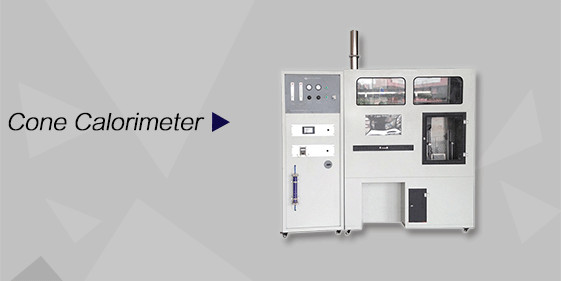
Cone Calorimeter
The import of American VTEC, cone calorimeter ultra high cost performance
more
-
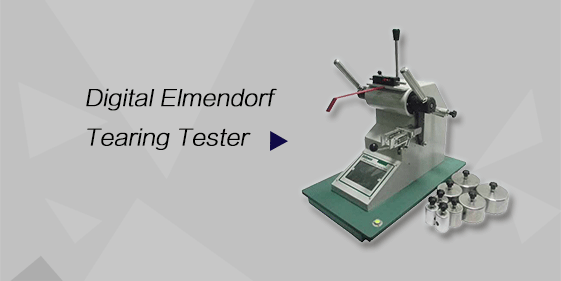
Digital Elmendorf Tearing Tester
Pendulum method test material tear strength, operating more simple, more accurate data
more
-

ZwickiLine Materials testing machines
Top of the world's leading universal material testing machine
more
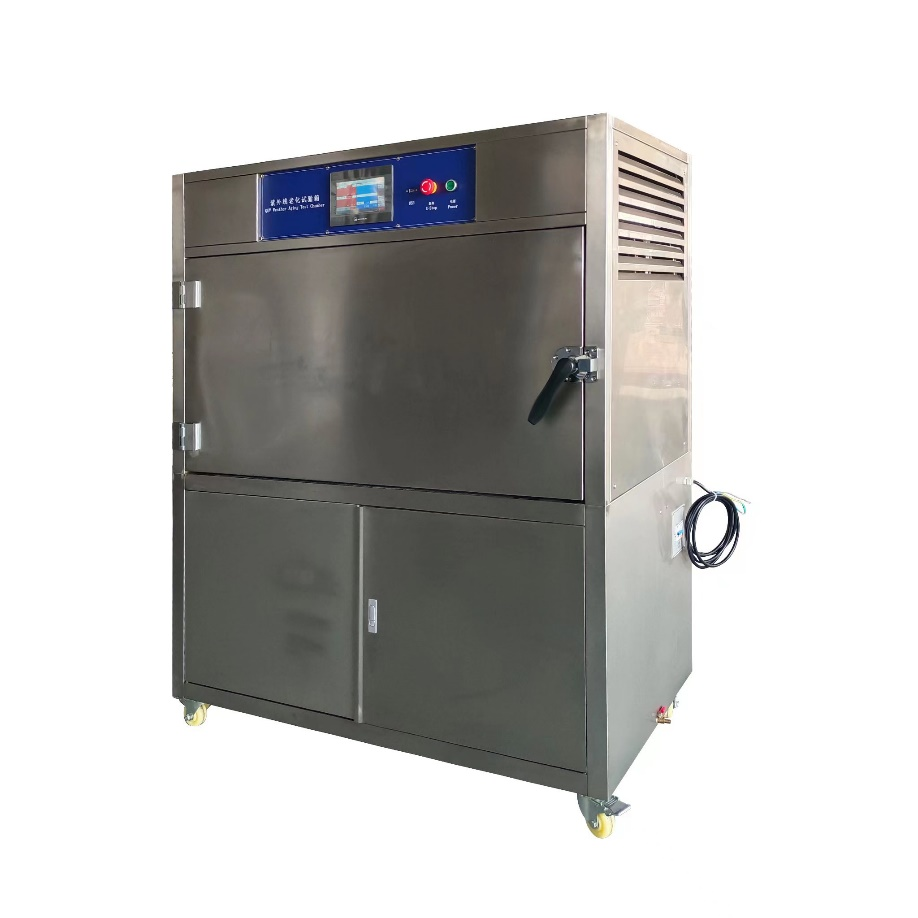
Cabinet-Type UV Aging Test Chamber
BACK

Standards:
The instrument is designed to comply with the following standards: GB/T 14522-93 — Accelerated test methods for plastics, coatings, and rubber in machinery products (China National Standard) ISO 4892 — Plastics — Methods of exposure to laboratory light sources ASTM G151. G154. D4329. D4587. D4799 — Standard test methods for accelerated light and weathering exposure SAE J2020 — Standard for lightfastness testing of automotive and polymer materials
Applications:
The Syringe Plunger Force Testing Instrument is widely used in:
Medical device testing: Performance evaluation of syringes and plungers.
Pharmaceutical quality control: Verification of plastic and rubber components in medical packaging.
Research & Development: Development of new polymer, rubber, or coated products requiring accelerated aging studies.
Third-party testing laboratories: Compliance verification for regulatory and safety standards.
Typical test specimens include: syringe plungers, polymer materials, rubber stoppers, and coated medical components.
Product Information:
Syringe Plunger Force Testing Instrument is designed to evaluate the mechanical resistance and performance of syringe plungers under controlled environmental conditions. By simulating sunlight using fluorescent UV-A lamps and rainfall using distilled water spray, the instrument reproduces outdoor aging effects in a shortened timeframe. Materials can be tested for multiple types of degradation including color fading, discoloration, loss of gloss, powdering, cracking, clouding, bubble formation, embrittlement, strength reduction, deterioration, and oxidation. This accelerated simulation allows testing over days or weeks to reflect months or years of outdoor exposure.
Parameters
| Item | Specification |
|---|---|
| UV Lamp Quantity | 8 units |
| Wavelength Range | UV-A: 315–400 nm |
| Lamp Power | 40 W per lamp |
| Lamp Lifetime | 1500 h |
| Temperature Range | RT + 10 ℃ to 70 ℃ |
| Temperature Resolution | 0.1 ℃ |
| Temperature Uniformity | ±3 ℃ |
| Humidity Range | ≥75% RH |
| Distance from Specimen to Lamp Center | 25–45 mm |
| Chamber Size (D×W×H) | 660 × 1150 × 600 mm |
| External Dimensions (L×W×H) | 780 × 1380 × 1780 mm |
| Inner Chamber Material | SUS304 Stainless Steel |
| Outer Shell Material | SUS304 Stainless Steel |
| Water Source & Consumption | Clean or distilled water, 8 L/day (customer-supplied) |
| Control System | 7-inch touchscreen, PLC programmable controller |
Features
Simulates sunlight using UVA-340 fluorescent lamps and rainfall using controlled distilled water spray.
Accelerated aging cycles reproduce months or years of outdoor conditions within days or weeks.
Flexible temperature and light cycle programming with PID auto-tuning for accurate control.
Adjustable light and condensation cycles, e.g., 4H light/4H condensation or 8H light/4H condensation.
High-precision monitoring ensures uniform illumination and environmental conditions across all samples.
Allows quantitative evaluation of appearance (gloss, color change, powdering, cracking, bubbling) and mechanical properties (tensile strength, elongation, hardness, impact strength).
Accessories
(UVA-340 Fluorescent lamps, 8 units, 40 W each)
(PLC touch-screen control system)
(Distilled water spray system)
(Specimen racks with adjustable lamp distance)
Test Procedures
Place test specimens on the sample rack, ensuring even exposure to the UV lamps.
Set temperature, humidity, light/condensation cycle, and exposure duration according to the testing protocol.
Start the instrument and allow it to reach set conditions before beginning the test cycle.
Monitor specimens throughout the test, replacing lamps after 400–450 hours as per maintenance schedule.
After completion, evaluate specimens for appearance and mechanical performance using quantitative instruments where possible.
Maintenance Information
Inspect and replace lamps regularly, following the 400–450 hour replacement schedule to maintain accurate irradiance.
Keep the chamber interior clean and free of contaminants to avoid uneven light exposure or water spray effects.
Check water supply and spray nozzles for consistent flow and pressure.
Verify control system calibration periodically to ensure precise temperature and light cycle regulation.
FAQ
1. How does the Syringe Plunger Force Testing Instrument simulate outdoor weathering?
The instrument uses UVA-340 fluorescent lamps to simulate sunlight and distilled water spray to simulate rainfall. Combined with programmable temperature and light/condensation cycles, it accelerates degradation processes such as fading, discoloration, cracking, powdering, and mechanical property changes. Within days or weeks, it reproduces the effects that would naturally occur over months or years of outdoor exposure.
2. What is the lamp replacement schedule and lifetime?
Each UV lamp has a nominal working life of 1500 hours. After the first 400–450 hours of operation, one or two lamps may need replacement, with other lamps replaced later according to usage cycles. This ensures consistent irradiance output and compensates for lamp aging to maintain accurate test results.
3. What type of properties can be evaluated?
Appearance-related properties include gloss, color change, powdering, blistering, cracking, and dimensional stability. Mechanical properties include tensile strength, elongation, hardness, impact strength, bending strength, and other applicable metrics depending on the material. Instruments like gloss meters and colorimeters can provide quantitative results for better repeatability.
4. What are the recommended environmental conditions for operation?
The chamber should be placed in a room with a temperature of 15–35℃ and at least 300 mm from walls or other heat sources. Avoid strong air currents to prevent disruption of light exposure and condensation conditions.
